Wanderlei Silva Hospitalized After Brutal Knockout in Post-Fight Brawl

UFC Hall of Famer Wanderlei Silva was knocked unconscious and hospitalized following a chaotic post-fight brawl that erupted after his exhibition boxing match against Acelino Freitas in Brazil on September 28, 2025. The 49-year-old Brazilian legend suffered a fractured nose and required facial stitches after being struck by what witnesses described as a cowardly sucker punch during a melee that has sent shockwaves through the combat sports community.
The disturbing incident occurred immediately after Silva was disqualified in the fourth round for throwing illegal headbutts against 50-year-old former boxing champion Acelino "Popo" Freitas at the Spaten Fight Night 2 event in São Paulo. As tensions boiled over following the controversial disqualification, members of both fighters camps stormed into the ring, sparking an ugly brawl that would leave one of MMA most beloved figures unconscious on the canvas.
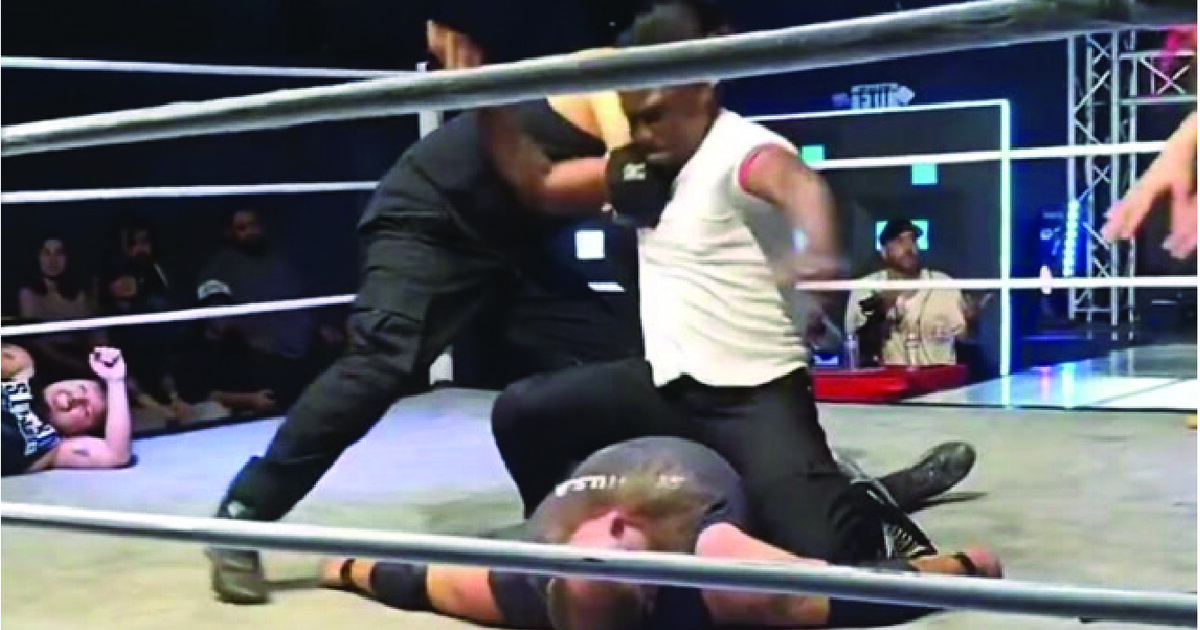
Brazilian media identified Silva attacker as Rafael Freitas, the 25-year-old son of his opponent. Shocking video footage that has since gone viral shows Silva being blindsided with a devastating right hand that sent him crashing violently to the floor. The former PRIDE champion remained motionless for several terrifying minutes, his body completely limp as concerned medical personnel rushed to his aid while security struggled to restore order in the chaotic arena.
"The punch came from nowhere," said ringside photographer Carlos Santos, who captured the disturbing sequence. "Wanderlei was trying to leave the ring when Rafael just sucker-punched him. It was completely unnecessary and cowardly. You could hear the impact throughout the arena."
The immediate aftermath was equally disturbing. Silva lay unconscious for approximately four minutes before showing any signs of consciousness, during which time paramedics worked frantically to stabilize him. When he finally came to, blood was streaming from his nose and multiple facial cuts, creating a horrific scene that left many in the 12,000-strong crowd in stunned silence.
Silva was immediately transported via ambulance to Hospital Sírio-Libanês in São Paulo, where emergency room doctors diagnosed him with a fractured nose, multiple facial lacerations requiring 15 stitches, and a severe concussion. Medical staff kept him under observation for 18 hours due to concerns about potential brain trauma, given his extensive history of head injuries throughout his 25-year fighting career.
"I have a lot of headaches that won't go away," Silva revealed in a sobering health update posted to his social media accounts two days after the incident. "The doctors say I need to rest, but the pain is constant. I'm going to Curitiba this week for more tests to make sure there's no serious damage."
The knockout is particularly troubling given Silva documented health struggles. In explosive court documents filed as part of the ongoing UFC antitrust lawsuit, the Brazilian warrior revealed he has been suffering from symptoms commonly associated with Chronic Traumatic Encephalopathy (CTE) and traumatic brain injury (TBI) - conditions that have plagued numerous combat sports veterans.
"While fighting for the UFC, I suffered many significant injuries, including multiple concussions," Silva stated in his sworn legal declaration. "I fear that during my career, I have suffered traumatic brain injury and am now noticing symptoms common with TBI and CTE, including severe depression, unpredictable mood swings, memory problems, and uncontrollable irritability that affects my daily life and relationships with my family."
These revelations have cast Silva return to combat sports in an entirely different light. This marked his first appearance in any form of competition since his September 2018 submission loss to Rampage Jackson at Bellator 206, a fight that many observers felt he should never have taken given his obvious physical decline and documented neurological issues.
Medical experts who have reviewed Silva case are expressing serious concerns about his long-term health prospects. Dr. Margaret Chen, a neurologist specializing in sports-related brain injuries at Johns Hopkins University, reviewed publicly available information about Silva condition and the recent incident.
"Any additional head trauma for someone already showing signs of CTE is extremely dangerous," Dr. Chen explained. "The brain becomes increasingly vulnerable to damage with each subsequent injury. Given Mr. Silva documented symptoms and this latest knockout, he needs immediate comprehensive neurological evaluation and should seriously consider retiring from any form of combat sports permanently."
The incident has sparked fierce criticism from fellow fighters and MMA personalities. Former UFC light heavyweight champion Chuck Liddell, himself a victim of repeated knockouts later in his career, was particularly vocal in his condemnation of both the attack and Silva decision to return to competition.
"What happened to Wanderlei was disgusting," Liddell said during a podcast appearance. "That kid should be arrested for assault. But honestly, Wanderlei shouldn't have been in there in the first place. We've all seen what repeated head trauma does to fighters. The sport needs to do better protecting guys like him."
UFC commentator Joe Rogan, who has long been an advocate for fighter safety, dedicated a significant portion of his podcast to discussing Silva situation. "Wanderlei was one of the most violent, exciting fighters in MMA history," Rogan said. "But at some point, we have to recognize when enough is enough. This incident should be a wake-up call for athletic commissions worldwide about protecting aging fighters with documented brain trauma."
Former UFC heavyweight champion Fabricio Werdum, who was working as Silva cornerman during the exhibition, provided additional details about the immediate aftermath of the knockout. "I was right there when it happened," Werdum said in a Portuguese interview. "Wanderlei was completely unconscious. His eyes were rolled back, and he wasn't responding to anything. It was one of the scariest things I've ever seen in combat sports."
The Freitas family has remained largely silent about the incident, with only a brief statement from Acelino Freitas expressing regret about what transpired. "I apologize for my son's actions," the elder Freitas said. "This is not how we conduct ourselves, and there is no excuse for what happened. I hope Wanderlei recovers fully."
However, no formal charges have been filed against Rafael Freitas, despite calls from various quarters for legal action. The São Paulo Police Department confirmed they are reviewing security footage and witness statements but have not indicated whether criminal charges will be pursued.
The broader MMA community has rallied around Silva, with numerous fighters and personalities expressing support and concern for his wellbeing. UFC President Dana White, despite his complicated history with Silva dating back to their public feud in 2014, issued a statement expressing sympathy.
"Regardless of any past differences, Wanderlei Silva is a legend of this sport who deserves respect," White said. "What happened to him was completely unacceptable, and I hope he gets the medical attention he needs. The sport needs to take better care of its pioneers."
The incident has also reignited debates about the regulation of exhibition matches and the responsibility of promoters when dealing with aging fighters showing signs of neurological damage. Dr. Ryan Madison, former chief medical officer for the Nevada State Athletic Commission, argues that more stringent protocols are needed.
"Exhibition matches have become a way for promoters to circumvent proper medical oversight," Dr. Madison explained. "These events often lack the rigorous medical testing and safeguards that regulated professional bouts require. When you have a fighter like Silva, who has openly discussed symptoms consistent with brain trauma, allowing him to compete in any capacity is questionable at best."
Silva storied career began in the late 1990s in Brazil before he became a global superstar during PRIDE Fighting Championships golden era in Japan. Known for his aggressive Muay Thai style and legendary wars with fighters like Quinton Jackson, Ricardo Arona, and Yuki Kondo, Silva became one of the most recognizable faces in mixed martial arts.
His UFC tenure from 2007 to 2014 was marked by both spectacular moments and concerning knockout losses. Notable defeats to fighters like Chris Leben, Rich Franklin, and Vitor Belfort saw Silva absorb tremendous punishment, contributing to the neurological symptoms he now experiences daily.
The financial pressures facing many retired fighters have also been highlighted by Silva situation. Despite earning millions during his career peak, legal troubles, failed business ventures, and the absence of comprehensive post-career medical support have left many legends struggling financially and physically.
"The sport has made billions of dollars off fighters like Wanderlei," said Rob Maysey, director of the Mixed Martial Arts Fighters Association. "But when these warriors need help the most, when their fighting days are over and the health consequences of their careers become apparent, the support system often isn't there. This incident should serve as a call to action for better fighter healthcare and retirement benefits."
Silva next steps remain uncertain as he awaits the results of comprehensive neurological testing scheduled for this week in Curitiba. His family has requested privacy during this difficult time, though they have indicated that decisions about his future will be made based on medical recommendations rather than financial considerations.
The incident serves as a stark reminder of the long-term consequences of a career spent absorbing punishment in combat sports. For Silva, a warrior who thrilled millions with his fearless approach to fighting, the road ahead likely involves difficult decisions about his health, his family, and his legacy in a sport that both made him a legend and may have irreparably damaged his brain.
As the MMA community continues to grapple with the implications of this disturbing incident, one thing remains clear: the sport must do better to protect its aging legends from themselves and from those who would exploit their warrior mentality for profit, regardless of the devastating personal cost.


Login with Email or Google
Be the first to comment!