UFC 326 Faces Financial Setback Ahead of Holloway vs. Oliveira Main Event

UFC 326, which was being positioned as one of the company’s major pay-per-view events of the year, has encountered a significant financial challenge in the lead-up to its scheduled headline fight between Max Holloway and Charles Oliveira. What was expected to be a blockbuster draw for mixed martial arts fans around the world has reportedly underperformed in early revenue indicators, prompting renewed questions about the promotional strategy and market momentum for one of the sport’s most highly anticipated cards.
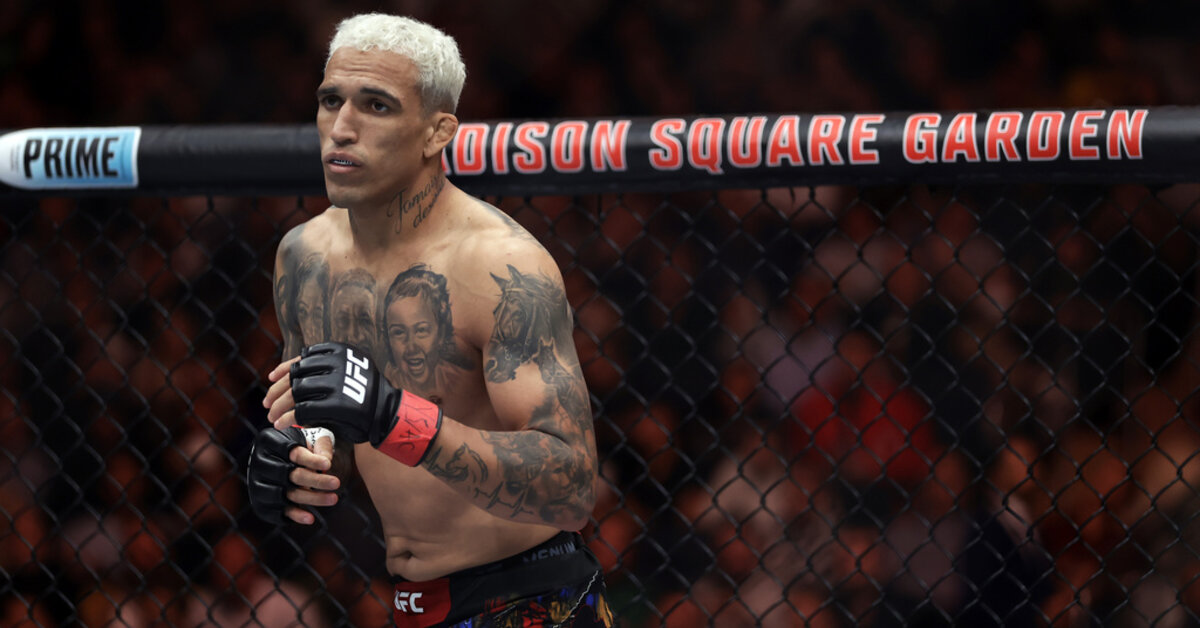
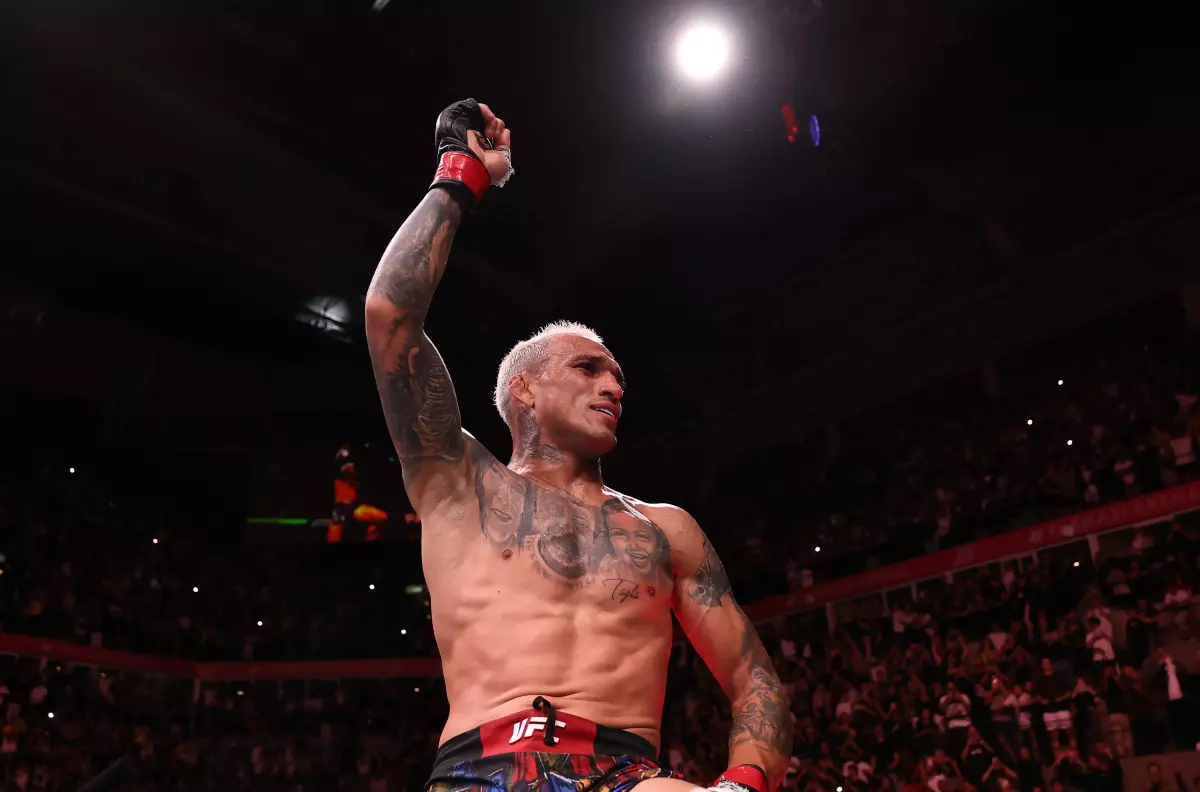
The main event, pitting featherweight veteran Max Holloway against former lightweight champion Charles Oliveira, was widely seen as a marquee matchup capable of driving strong pay-per-view sales. Both fighters bring substantial resumes and fan interest, and their contrasting styles — Holloway’s volume striking versus Oliveira’s submission prowess — promised an intriguing stylistic chess match. In any other context, such a headline fight would be expected to generate considerable buzz and solid financial returns.
Yet, as the event’s promotional cycle progressed, signs emerged that revenue projections were falling short of expectations. Early reports indicate that pay-per-view buys, ticket sales, and other traditional income streams have not matched the levels seen for previous high-profile UFC events. This unexpected trend has raised concerns within industry circles, as the UFC has long relied on strong pay-per-view performance to anchor its annual earnings and deepen fan engagement.
A variety of factors may be contributing to the slowdown. MMA audiences have grown accustomed to rapid announcements, intense promotional tours, and well-timed hype that builds toward fight night. In the case of UFC 326, some analysts suggest that the promotional campaign failed to gain traction early enough, missing opportunities to build sustained excitement around the Holloway vs. Oliveira showdown.
Timing has also played a role. The event is positioned during a competitive sports calendar, surrounded by several other major entertainment and athletic spectacles. This environment has the potential to distract casual viewers and divide consumer attention — a challenge that UFC has faced before, but which appears more pronounced this time. Compounding this is the fact that neither Holloway nor Oliveira has competed in the past year with the kind of frequency that keeps casual fans consistently engaged. In an era where fighters can go long stretches between bouts, sustained visibility has become increasingly important for maintaining momentum.
Ticket sales for the live event have also been a point of concern. While the arena is far from empty, reports suggest that the rate of ticket purchases lagged behind similar cards in recent memory at comparable venues. This shortfall in live attendance has broader implications, as sold-out arenas not only drive direct revenue but also create the visceral atmosphere that fuels social media buzz and heightens interest among the wider MMA community.
From a business perspective, any shortfall in pay-per-view revenue represents more than just missed paycheckes for the promotion. It has ripple effects across fighter pay, sponsorships, and future event planning. Major fight cards are often funded on the expectation that revenue will meet or exceed certain thresholds — thresholds that enable the UFC to allocate funds toward marquee matchups, athlete incentives, and international expansion efforts.
Fan reaction to the subdued revenue signals has been mixed. Hardcore followers of the sport point to Holloway and Oliveira’s credentials and argue that both fighters bring legitimate star power capable of carrying a main event. Holloway, a former long-reigning featherweight champion, has consistently delivered fan-pleasing performances throughout his career, building a reputation as one of the division’s most exciting talents. Oliveira, meanwhile, holds records for his finishes and has drawn praise for his aggressive and opportunistic approach inside the Octagon.
Conversely, some segments of the MMA audience shrug off the financial news as a reflection of broader trends in combat sports consumption. With streaming services, subscription fatigue, and alternative entertainment platforms vying for attention, buying decisions for a marquee fight card have become more complex. Casual fans may weigh the cost of a single pay-per-view event against a growing number of bundled sports packages, online content, and delayed viewing options.
Promotional efforts for UFC 326 have leaned on traditional tactics, including fighter interviews, promotional videos, press conferences, and social media outreach. Yet the disconnect between marketing and consumer response underscores an ongoing challenge for combat sports brands: how to convert interest into sales in an increasingly fragmented media environment.
Despite the revenue concerns, there is still optimism among fighters and supporters that the Holloway vs. Oliveira bout will deliver inside the Octagon. For both men, the fight presents a chance to reaffirm their elite status and make a statement to the wider MMA world. A dynamic performance on fight night could reshape narratives and potentially ignite a late surge in interest for replay and highlights in the days that follow.
For the UFC itself, the situation serves as a reminder that even well-stacked fight cards are not immune to market forces. The promotion’s leadership has long touted its ability to cultivate deep fan engagement and drive strong commercial returns, but UFC 326’s early financial performance signals the need for constant adaptation.
As fight night approaches, attention will shift from projections and revenue forecasts to the actual contests inside the Octagon. Whether this main event — and the rest of the card — can overcome the subdued build-up with electrifying performances remains to be seen. What is clear, however, is that UFC 326 will be scrutinized not just for athletic outcomes, but for what its financial trajectory may indicate about the future of live fight events in the ever-evolving landscape of sports entertainment.



Login with Email or Google
Be the first to comment!