UFC 325 Commentary Shake-Up: Cormier and Bisping Step In as Rogan Skips Australia Trip
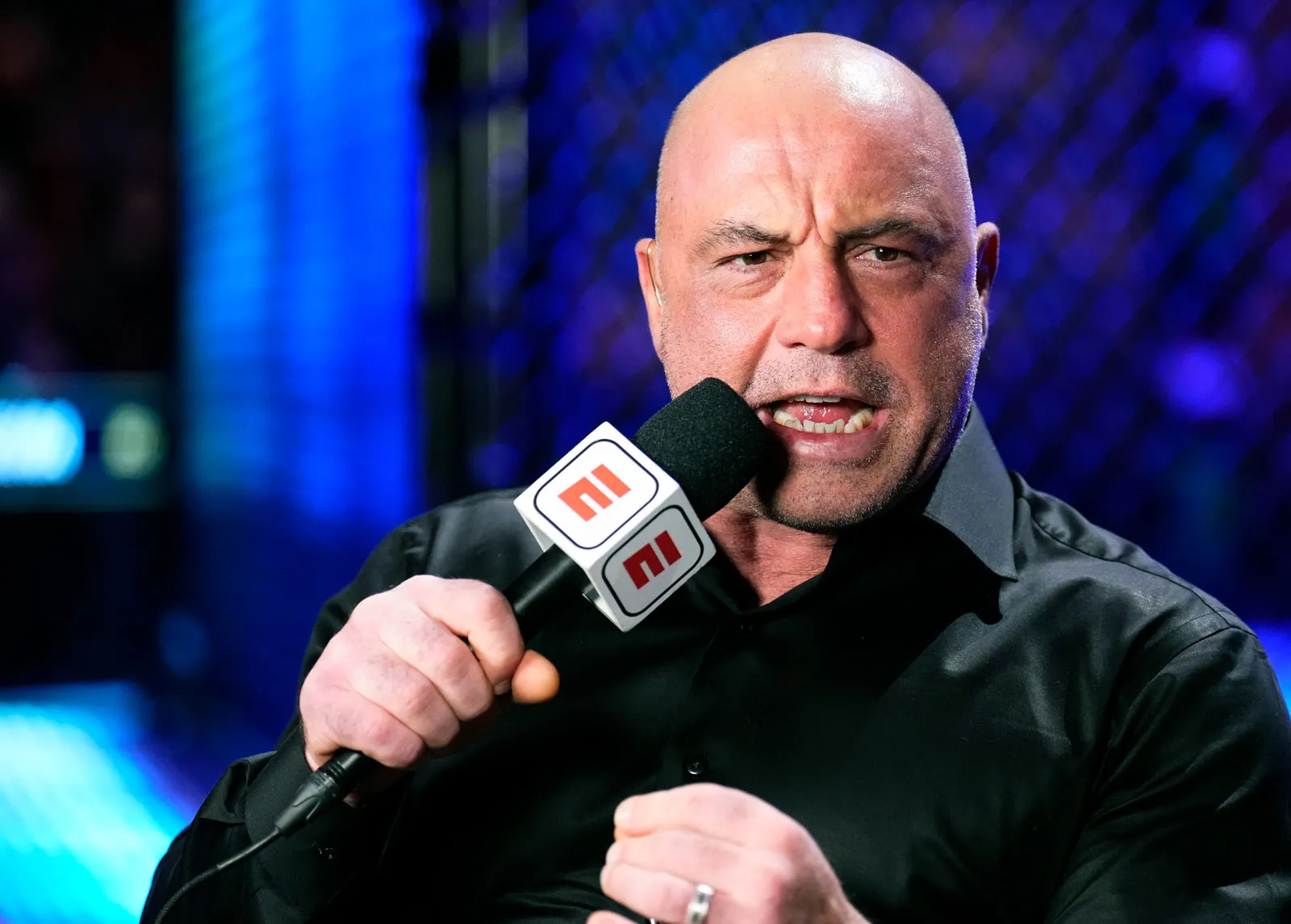
The Ultimate Fighting Championship's upcoming UFC 325 event in Australia will feature a significantly altered commentary lineup, as longtime color commentator Joe Rogan continues his well-established pattern of avoiding international travel. The January 31, 2026 event at Qudos Bank Arena in New South Wales will see UFC Hall of Famers Daniel Cormier and Michael Bisping handle color commentary duties alongside play-by-play announcer Jon Anik.
The News
UFC has officially announced its broadcast team for UFC 325, marking another international event where Joe Rogan's absence necessitates a commentary reshuffle. Jon Anik will anchor the main card coverage as the primary play-by-play voice, while the color commentary responsibilities will be split between former UFC champions Daniel Cormier and Michael Bisping. John Gooden will handle play-by-play duties for the earlier "Road to UFC" preliminary bouts before transitioning to a roving reporter role later in the evening – a position typically occupied by Megan Olivi.
The broadcast arrangement extends beyond just the fight coverage itself. The official weigh-in show, along with pre- and post-fight programming, will be produced remotely from the UFC's Apex facility in Las Vegas rather than on location in Australia. This cost-saving measure has drawn some industry commentary, with observers noting the irony given UFC's recent $7.7 billion media rights deal with Paramount+.
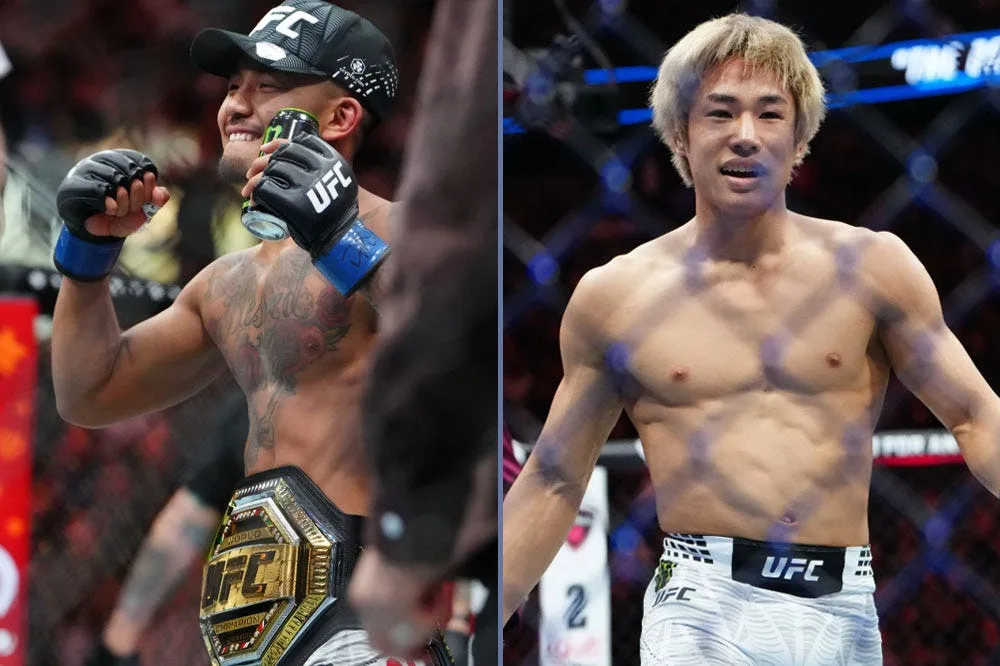
The event will be headlined by a featherweight championship rematch between current titleholder Alex Volkanovski and the No. 2-ranked contender Diego Lopes, with Dan Hooker facing Benoit Saint Denis in the co-main event lightweight bout.
The Context
Joe Rogan's reluctance to travel internationally for UFC broadcasts has been a consistent pattern throughout his tenure with the promotion. The comedian and podcast host has maintained this policy for years, citing various personal and professional commitments that keep him stateside. This approach has become so routine that UFC's international broadcast planning automatically factors in his absence.
Rogan's domestic-only commentary schedule reflects the broader evolution of UFC's media operations. As the promotion has expanded globally, staging events across multiple continents, the organization has developed contingency broadcasting strategies that don't rely on any single personality being available for every event. This flexibility has proven essential as UFC has increased its international footprint, with events regularly held in Europe, Asia, Australia, and the Middle East.
The selection of Cormier and Bisping as replacement color commentators represents a strategic choice by UFC. Both men bring championship-level fighting experience and have established themselves as knowledgeable, articulate analysts during their post-fighting careers. Cormier, a former two-division champion who held titles at both light heavyweight and heavyweight, has been a regular fixture in UFC's commentary rotation since retiring from active competition. His analytical approach and ability to break down technical aspects of fights have made him a fan favorite in the broadcast booth.
Bisping, meanwhile, brings a different energy to commentary, combining his experience as a former middleweight champion with his naturally outspoken personality. The Manchester native's journey from contender to champion to commentator has given him unique insights into both the technical and psychological aspects of elite-level competition.
The Analysis
This commentary arrangement highlights several important trends in UFC's broadcast operations. First, it demonstrates the organization's commitment to maintaining consistent production quality regardless of personnel availability. Rather than simply accepting a diminished broadcast experience for international events, UFC has invested in developing multiple capable commentary teams that can deliver professional coverage.
The decision to have Anik anchor the broadcast makes strategic sense from both continuity and expertise perspectives. As UFC's primary play-by-play announcer, Anik brings consistency to the viewer experience and has developed strong working relationships with various color commentators. His encyclopedic knowledge of fighter statistics and ability to seamlessly transition between different broadcast partners has made him invaluable to UFC's production team.
The remote production of ancillary programming from the Apex facility represents a cost-benefit calculation that reflects modern broadcasting economics. While some fans might prefer on-location production for the complete event experience, the financial savings from avoiding international travel and setup costs for support programming allows UFC to allocate resources elsewhere. This approach also provides production consistency, as the Apex facility is specifically designed for broadcast operations with established technical infrastructure and familiar crew members.
The commentary pairing of Cormier and Bisping offers an interesting dynamic for viewers. Both men bring recent fighting experience – Cormier retired in 2020, while Bisping stepped away in 2017 – meaning their insights into modern MMA techniques and strategies remain highly relevant. Their contrasting personalities and analytical styles should provide engaging commentary that appeals to both hardcore fans seeking technical breakdown and casual viewers looking for entertaining analysis.
The Implications
For UFC as an organization, this broadcast arrangement reinforces their operational flexibility and depth of talent. The ability to seamlessly adjust commentary teams for international events without significantly impacting broadcast quality demonstrates institutional strength that extends beyond any individual personality. This capability becomes increasingly important as UFC continues expanding its global presence and staging events in new markets.
The financial implications of remote production for support programming reflect broader industry trends toward cost optimization. While UFC's Paramount+ deal provides substantial revenue, the organization still faces pressure to maximize profitability across all aspects of their operations. The decision to produce weigh-ins and supplementary shows from Las Vegas rather than on-location suggests a calculated approach to spending that prioritizes the main event broadcast experience while economizing on peripheral programming.
For the fighters involved, particularly headliners Volkanovski and Lopes, the commentary team changes likely have minimal direct impact on their preparation or performance. However, the quality of broadcast coverage can influence how their performances are perceived and remembered by fans, potentially affecting their long-term marketability and career trajectories.
From a fan perspective, the commentary changes present both opportunities and potential concerns. Viewers who appreciate Cormier and Bisping's analytical styles may prefer this arrangement to the standard Rogan-featuring broadcasts. Conversely, fans accustomed to Rogan's commentary approach might view his absence as diminishing their viewing experience, particularly for such a significant championship bout.
The international broadcast market implications are also worth considering. Australian fans attending the event live will experience the full production value, while international viewers receive a modified broadcast experience. This disparity could influence UFC's future international event planning and broadcast strategies, particularly as the organization seeks to maximize global audience engagement.
What to Watch
Several factors will be worth monitoring as UFC 325 approaches and unfolds. The audience reception of the Cormier-Bisping commentary pairing will provide valuable feedback for future international events. If viewer response is overwhelmingly positive, it could encourage UFC to experiment more frequently with alternative commentary combinations, even for domestic events.
The success of remote production for ancillary programming will likely influence similar decisions for future international events. If the cost savings prove significant without substantially impacting viewer engagement, this approach may become standard operating procedure for UFC's international broadcasts.
Long-term, Rogan's continued absence from international events raises questions about the sustainability of UFC's current commentary structure. As the promotion continues expanding globally, the organization may need to develop more permanent solutions that don't require constant roster adjustments for international broadcasts. This could involve either incentivizing Rogan to travel internationally or further developing alternative commentary teams that can provide consistent coverage regardless of event location.
The performance of this broadcast team could also influence UFC's broader talent development strategy. Success with alternative commentary combinations might accelerate the integration of other former fighters into broadcast roles, creating more depth and flexibility in their commentary roster.
Additionally, the financial aspects of this arrangement – particularly the cost savings from remote production – may influence UFC's broader international expansion strategy. If remote production proves effective for reducing operational costs while maintaining broadcast quality, it could make financially marginal international events more viable, potentially leading to UFC staging events in additional markets.
The UFC 325 broadcast represents more than just a personnel substitution; it exemplifies the organization's evolution into a truly global entertainment entity that must balance operational efficiency with production quality across multiple markets and time zones. The success or failure of these arrangements will likely influence UFC's broadcast strategies for years to come, making this event a significant test case for the promotion's international operational capabilities.
As UFC continues its global expansion, events like UFC 325 serve as laboratories for testing new approaches to content delivery and cost management. The lessons learned from this broadcast arrangement will undoubtedly inform future decisions about international event production, commentary team deployment, and the balance between on-location and remote content creation in the modern sports entertainment landscape.


Login with Email or Google
Be the first to comment!