Tom Aspinall Says UFC Boss Has Been Silent Since Eye-Poke Disaster at UFC 321
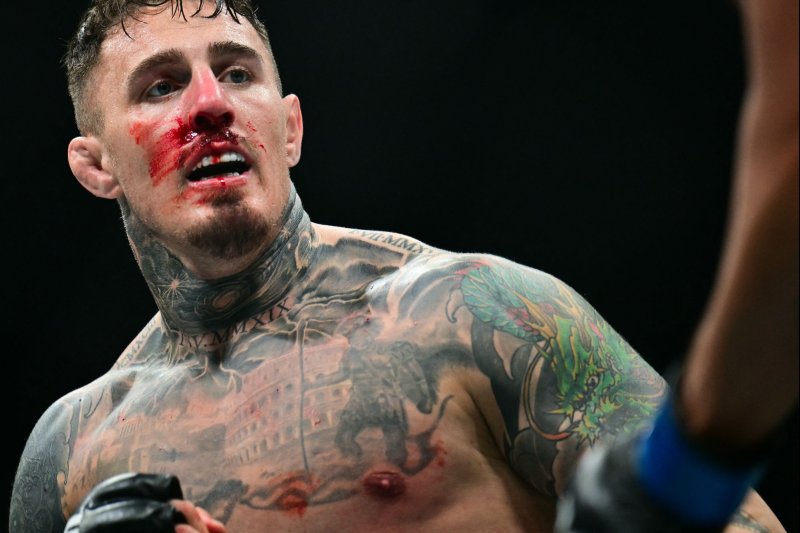
Heavyweight champion Tom Aspinall says the silence from Dana White since the controversial end of his fight at UFC 321 has made a bad situation worse — and his recent medical revelation shows just how serious this incident turned out to be.
Aspinall’s scheduled title defense against Ciryl Gane ended abruptly in the first round when Gane delivered a double eye-poke that left Aspinall unable to continue. The fight was ruled a no-contest, leaving fans and pundits outraged over the finish and the future implications for both fighters.
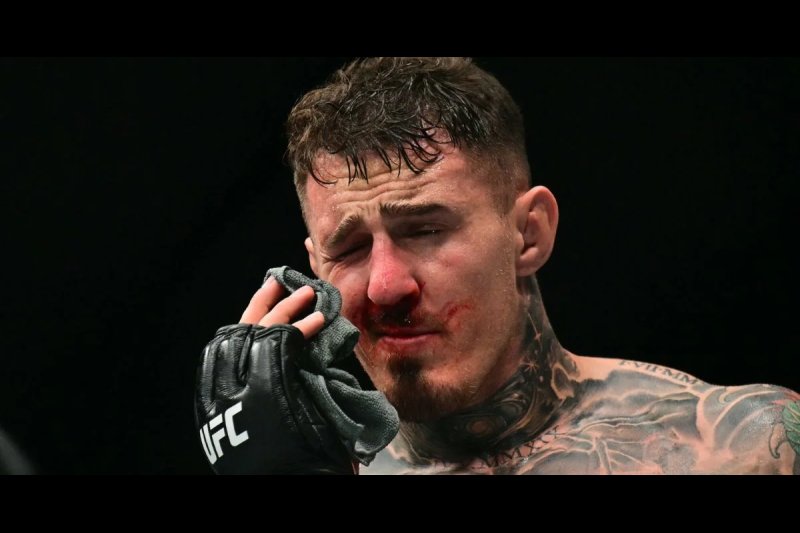
In a recent public update, Aspinall shared medical reports detailing lasting damage to his eyes. According to the diagnosis, the blunt trauma caused by the poke resulted in soft-tissue orbital injuries and a condition known as Brown’s syndrome — a disorder that impairs eye mobility and can lead to persistent double vision when looking up or sideways. As of now, Aspinall is experiencing serious vision problems that prevent training and even basic activities, effectively pausing his fighting career until further notice.
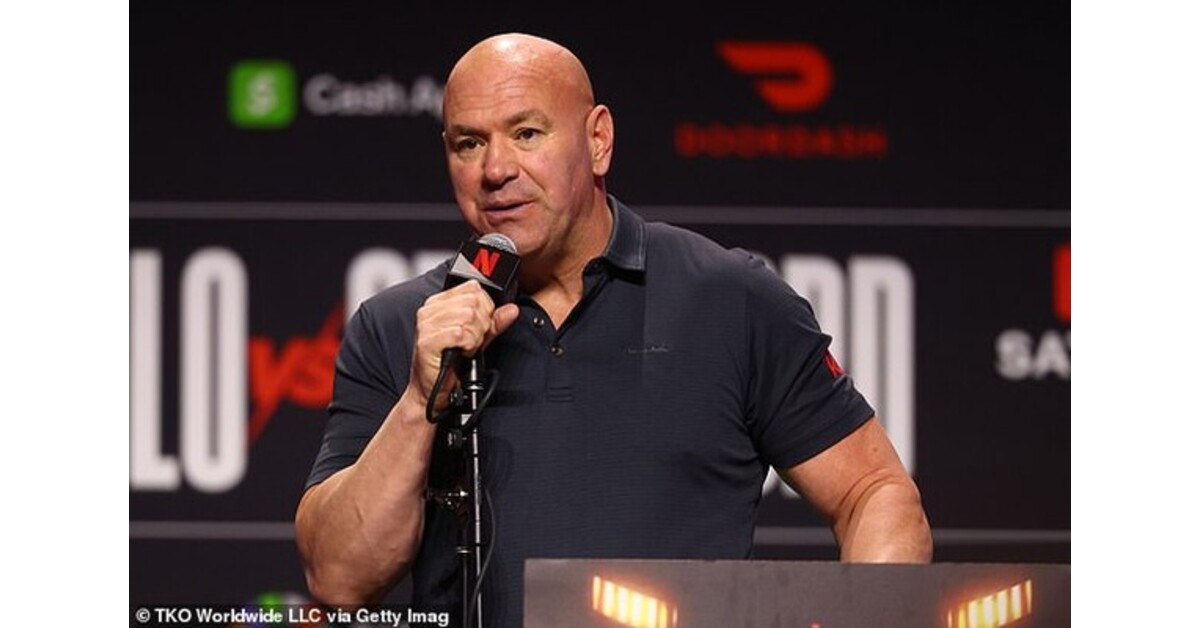
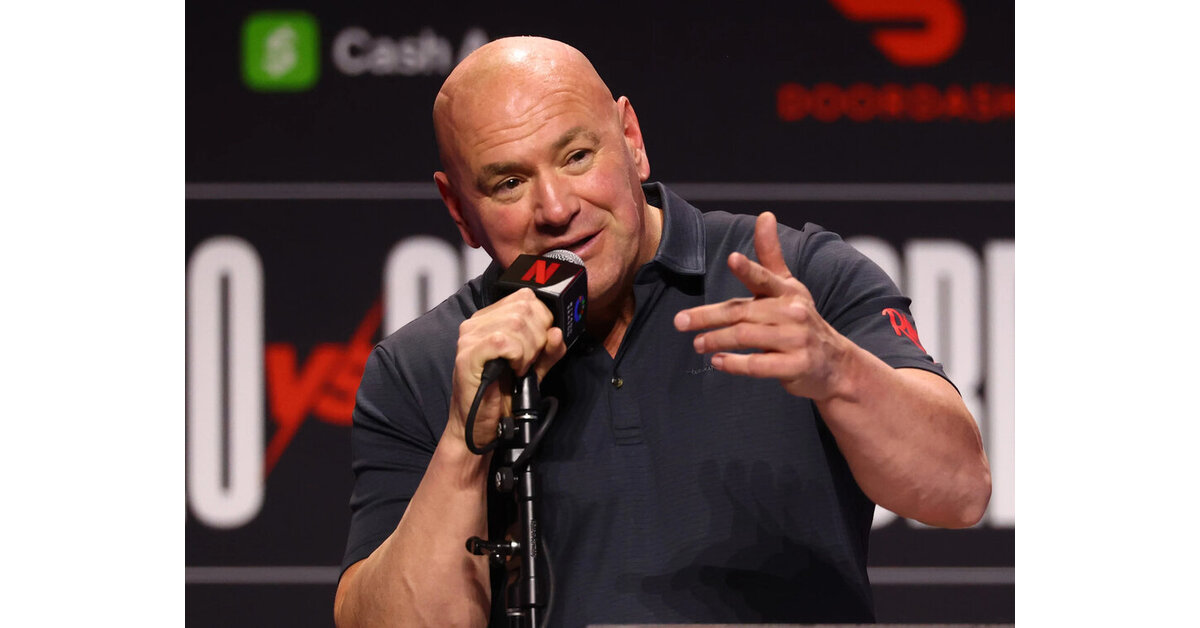
But what has angered the champion even more than the injury is the lack of response from UFC leadership. On his own terms, Aspinall says that Dana White hasn’t reached out to check on him or inquire about his health — despite the high-profile nature of the incident and the public scrutiny surrounding it. Aspinall called White’s silence “disappointing,” pointing out that public comments made by the UFC president immediately after the fight — dismissing the eye poke as part of the sport — felt disrespectful given the severity of the damage.
In raw, unfiltered statements, Aspinall noted that White’s immediate post-fight remarks didn’t reflect knowledge of the full medical situation. He said that during the fight, his vision was destroyed — not by a punch or legal strike, but by fingers entering his eyes with enough force to cause orbital trauma. According to Aspinall, to say he "just didn’t want to continue" when the truth was he physically couldn’t see was not just inaccurate — it was irresponsible. He voiced frustration that neither White nor the UFC made an effort to reach out after the fight to understand the extent of the damage, or to support him while he recovered.
Beyond the silence, Aspinall’s health update revealed grim realities: the double poke caused more than a simple cut or irritation. The eye-specialist’s report makes clear that Aspinall is now dealing with impaired eye movement, recurring double vision, and possible long-term complications. For a fighter whose career depends on reflexes, depth perception, and full vision, this could be career-altering. He’s currently unable to train, spar, or even properly function — and doctors have not yet confirmed when, or if, he’ll be cleared to fight again.
Aspinall’s situation has reignited questions within the MMA community about the sport’s responsibility toward fighter safety — especially when fouls cause lasting damage. It’s one thing when a fight ends with a legitimate knockout or submission. It’s entirely another when a foul leaves a fighter with potential long-term medical consequences. The lack of prompt acknowledgement or support from leadership, many argue, compounds the problem.
Fans, analysts, and fellow fighters are reacting. Some believe the UFC must step up — acknowledging injuries caused by fouls, providing clear medical oversight, and offering protection and support to fighters facing long recoveries. Others note that repeated eye-poke incidents should force a change: stricter penalties, reworked glove design, or even revisiting the rules that allow open-finger gloves in the first place.
For Aspinall, the path forward is uncertain. Physicians have reportedly warned that rushing back too early could worsen his condition. Double vision and restricted eye movement leave no room for error in a fight or even training. Until full recovery — if it ever comes — he’s sidelined, watching from a distance as his division moves on.
Yet despite it all, Aspinall hasn’t closed the door on a return. He insists that if his eyes heal — and only then — he wants a rematch with Gane. But for now, the inactivity, the medical uncertainty, and the silence from UFC leadership weigh heavily on him.
This episode will likely be remembered not just for the botched main event, but as a flashpoint in MMA’s ongoing debate over fighter safety, accountability, and respect. If nothing else, Tom Aspinall’s painful setback may force the sport to confront uncomfortable truths — about how it treats injuries caused by fouls, how promoters respond, and whether box-office concerns overshadow long-term health.
That silence from the top — after a fight ruined not by competition but by a foul — might become the rallying cry for change.



Login with Email or Google
Be the first to comment!