Tom Aspinall Pushes Back Against “Quitter” Criticism After Controversial UFC 321 Eye-Poke Ending
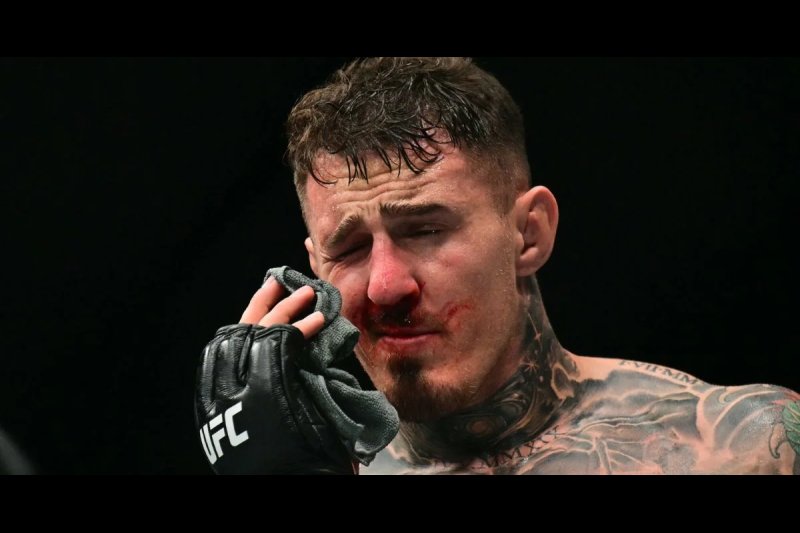
Tom Aspinall, the UFC heavyweight champion, has taken a firm stand against critics who labeled him a “quitter” following the abrupt and controversial conclusion to his title defense against Ciryl Gane at UFC 321. The bout — one of the most eagerly anticipated heavyweight showdowns of the year — ended in a no-contest after an accidental eye poke left Aspinall unable to continue, but a section of fans and commentators took the unexpected finish as an opportunity to question the champion’s heart and resolve.
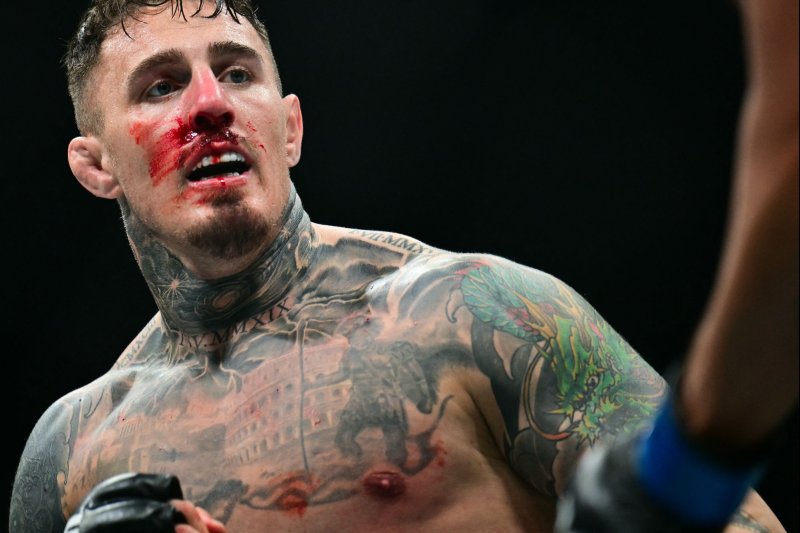
The heavyweight clash in Abu Dhabi was poised to be a defining moment for Aspinall. As the defending champion, he had been working toward a standout performance that could cement his status among the division’s elite. Instead, the fight barely reached the halfway point of the first round before an unfortunate strike to both eyes from Gane forced the referee and medical officials to intervene.
Aspinall was unable to see clearly after the contact, leaving him no choice but to stop. The rules of mixed martial arts are clear on such accidents: if a foul leaves a fighter unable to continue, and it’s judged to be unintentional, the bout is ruled a no-contest. That is exactly what happened here, with neither man being credited with a win or a loss. The decision preserved Aspinall’s championship status, but the manner of the outcome stirred debate.
Almost immediately, a small but vocal segment of the MMA community seized on the stoppage to claim Aspinall gave up too easily. Some critics suggested he could have continued fighting despite the injury or that the champion wasn’t tough enough to endure adversity. Among the most prominent voices offering criticism was former light heavyweight standout Jon Jones, who publicly questioned Aspinall’s heart and competitive drive in the wake of the stoppage.
But Aspinall has not taken such remarks sitting down. In recent comments responding to the backlash, he flatly rejected the notion that he quit or lacked courage, making it clear that his decision to stop was driven by medical advice and concern for his long-term health rather than an unwillingness to fight. The eye injury he sustained was serious enough to impair vision and made continuing not only impractical but potentially dangerous.
Aspinall did not mince words. He emphasized that anyone who called him a quitter was misunderstanding both the situation and what it takes to compete at the highest level of mixed martial arts. As he sees it, fighters do not step into the Octagon expecting to take horrific blows to the face and continue without regard for their well-being. In his own assessment, the injury was significant — not something that could be brushed aside in hopes of salvaging a title defense.
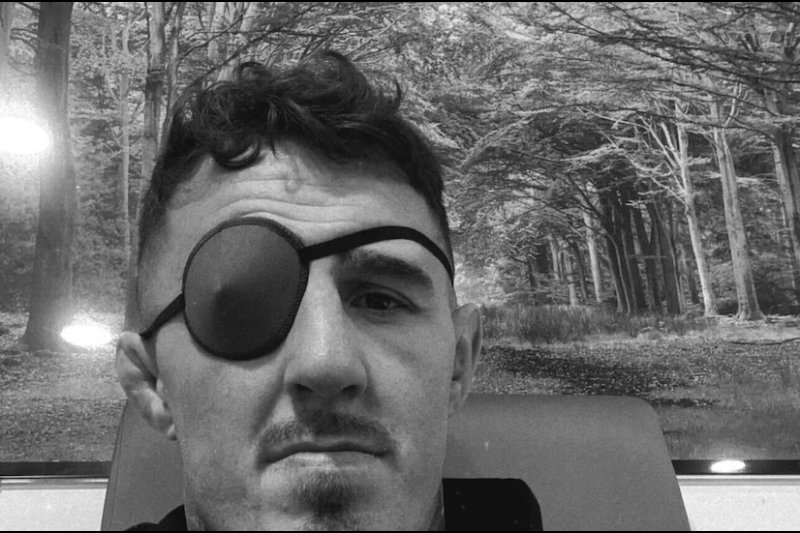
Medical evaluation after the fight revealed that Aspinall had suffered what experts described as bilateral traumatic Brown’s syndrome, a condition that limits eye movement due to direct trauma. This type of injury can cause severe pain and diminished vision, both of which can compromise a fighter’s ability to protect themselves or defend effectively. In light of that, Aspinall maintained that stopping was the responsible choice — not just for the moment but for the longevity of his career.
What underpinned his response was a clear rejection of the idea that perseverance means ignoring real harm. Aspinall has built his reputation on a blend of power, technique, and competitive spirit. He did not reach the pinnacle of the sport by shrinking from adversity. However, he also understands that MMA is a sport where split-second decisions can have career-altering consequences, and there is a difference between courage and recklessness.
Aspinall also expressed frustration with how quickly some fans and commentators labeled him without full knowledge of the medical reality. His view is that calling someone a quitter when they have been legitimately injured is dismissive of the physical demands of the sport and ignores the fact that fighters have to make real decisions about their health in the heat of competition.
Support from within the MMA world has also been vocal. Several fighters and analysts pushed back against the criticism, defending Aspinall’s decision to prioritize his well-being. They pointed out that eye injuries are among the most dangerous in combat sports due to the risk of permanent damage. Being unwilling to continue with impaired vision isn’t cowardice — it’s survival.
Despite the controversy, Aspinall remains the UFC heavyweight champion. He is currently focused on healing and planning his path back to competition once cleared by medical professionals. The UFC has hinted at a rematch with Gane once Aspinall is fully healthy, and there is a shared understanding among officials that the matchup still has significant drawing power despite its unsatisfying first showing.
Aspinall’s firm stand against the “quitter” label has shifted the narrative from one of perceived weakness to one about realistic respect for the risks fighters face. In doing so, he highlighted an uncomfortable truth: high-profile athletes will always be subject to public opinion, but not all criticism aligns with the reality of competing in a sport where the line between bravery and injury is razor-thin.
As the heavyweight champion continues his recovery, the mixed martial arts community watches closely — not just for the next fight, but for how the division shapes up when he returns. The conversation sparked by the UFC 321 stoppage will likely continue, but for now, Aspinall has made his position clear: stopping wasn’t about quitting — it was about surviving and ensuring there will be more fights to come.




Login with Email or Google
Be the first to comment!