The Nurmagomedov Legacy: How Khabib's Influence Shapes Usman's Path to MMA Greatness
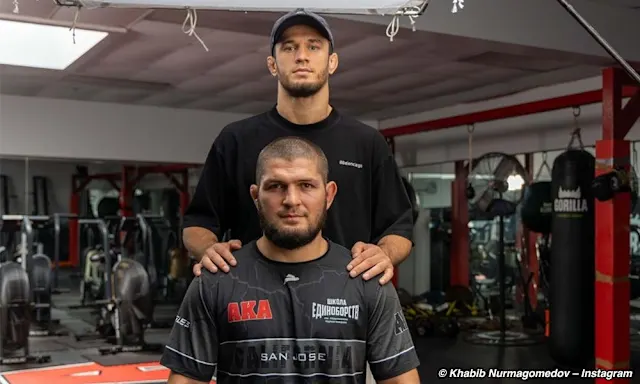
Table of Contents
- [Key Takeaways](#key-takeaways)
- [The Nurmagomedov Dynasty](#the-nurmagomedov-dynasty)
- [Usman Nurmagomedov: Carrying the Family Banner](#usman-nurmagomedov-carrying-the-family-banner)
- [Fighting Style and Technical Analysis](#fighting-style-and-technical-analysis)
- [Career Highlights and Notable Victories](#career-highlights-and-notable-victories)
- [The Coaching Philosophy Behind Success](#the-coaching-philosophy-behind-success)
- [Comparisons to MMA's Greatest](#comparisons-to-mmas-greatest)
- [Future Prospects and Championship Aspirations](#future-prospects-and-championship-aspirations)
- [The Dagestani Fighting Culture](#the-dagestani-fighting-culture)
- [Legacy and Impact on Modern MMA](#legacy-and-impact-on-modern-mma)
Key Takeaways
• Usman Nurmagomedov represents the next generation of elite Dagestani fighters following in Khabib's footsteps • His technical prowess and undefeated record have drawn comparisons to legendary fighters throughout MMA history • The Nurmagomedov family's coaching approach emphasizes discipline, technique, and mental fortitude • Usman's fighting style blends traditional Dagestani wrestling with modern mixed martial arts evolution • His career trajectory positions him as a potential future champion and face of lightweight MMA • The influence of Khabib's legacy continues to shape and inspire the next generation of fighters
The Nurmagomedov Dynasty
The name Nurmagomedov has become synonymous with excellence in mixed martial arts, representing a fighting dynasty that has captured the imagination of combat sports fans worldwide. At the center of this legacy stands Khabib Nurmagomedov, whose dominant reign as UFC lightweight champion established new standards for grappling excellence and mental toughness in the octagon.
The foundation of the Nurmagomedov success story lies deep in the mountains of Dagestan, where a culture of wrestling and combat sports has produced some of the world's most formidable fighters. This tradition, passed down through generations, emphasizes not just physical prowess but also the mental discipline required to excel at the highest levels of competition.
Khabib's influence extends far beyond his own competitive achievements. His approach to training, his unwavering dedication to his craft, and his ability to remain undefeated throughout his professional career have established him as a role model for aspiring fighters across the globe. The comparison to Muhammad Ali, as noted by coaching staff, reflects not just his dominance in competition but also his impact on the sport's culture and his ability to transcend traditional boundaries.
Usman Nurmagomedov: Carrying the Family Banner
Usman Nurmagomedov has emerged as the torchbearer for the family's fighting legacy, carrying forward the traditions and techniques that made his cousin Khabib a household name. His journey through professional mixed martial arts has been marked by the same methodical approach and technical excellence that characterized Khabib's career.
The younger Nurmagomedov's development as a fighter has been carefully orchestrated, with each step of his career building upon the lessons learned from his family's extensive experience in combat sports. His training regimen incorporates the time-tested methods that have produced multiple world-class fighters from the Dagestani region, while also adapting to the evolving landscape of modern MMA.
What sets Usman apart is his ability to blend the traditional wrestling base that defines Dagestani fighters with a more diverse striking arsenal. His coaches have recognized this evolution, noting how he represents both continuity with the past and innovation for the future of the fighting style that has become synonymous with the Nurmagomedov name.
Fighting Style and Technical Analysis
Usman Nurmagomedov's fighting style represents a sophisticated evolution of the grappling-heavy approach that made his cousin famous. While maintaining the core elements of Dagestani wrestling – superior conditioning, relentless pressure, and dominant ground control – Usman has developed a more well-rounded skill set that reflects the modern demands of mixed martial arts competition.
His striking game shows significant development beyond what was typical for fighters from his region in previous generations. The integration of boxing fundamentals, kickboxing techniques, and tactical striking has created a more complete fighter capable of engaging effectively in all phases of combat. This evolution demonstrates the adaptability and continuous improvement that characterizes elite-level athletes.
The ground game remains the cornerstone of Usman's approach, featuring the suffocating top control and submission threats that have become hallmarks of fighters trained in the Dagestani system. His ability to transition between positions, maintain dominant control, and create submission opportunities reflects years of dedicated training and natural aptitude for grappling arts.
His conditioning and cardio represent perhaps the most impressive aspects of his fighting style. The ability to maintain a high pace throughout entire fights, applying constant pressure without showing signs of fatigue, demonstrates the comprehensive approach to physical preparation that has become a signature of fighters from his training environment.
Career Highlights and Notable Victories
Throughout his professional career, Usman Nurmagomedov has compiled an impressive record that showcases both his technical skills and his ability to perform under pressure. His victories have come against increasingly challenging opposition, demonstrating a clear trajectory toward elite-level competition.
Each fight in his career has served as a building block, with performances that have shown steady improvement and adaptation. His ability to implement game plans effectively while making real-time adjustments during competition reflects the high-level coaching and preparation that goes into each of his appearances.
The quality of his victories has impressed observers throughout the MMA community, with many noting the dominance he has shown across different aspects of mixed martial arts competition. His finishing ability, whether by submission or strikes, demonstrates the well-rounded nature of his skill set and his ability to capitalize on opportunities as they present themselves.
The Coaching Philosophy Behind Success
The success of fighters from the Nurmagomedov camp cannot be separated from the coaching philosophy that guides their development. This approach emphasizes long-term development over quick results, building fighters who are not just technically proficient but also mentally resilient and strategically sound.
The training methodology incorporates elements from various martial arts disciplines while maintaining a strong foundation in wrestling and grappling arts. This comprehensive approach ensures that fighters are prepared for the diverse challenges they will face in modern MMA competition, where versatility and adaptability are essential for success.
Mental preparation receives equal emphasis with physical training, recognizing that success at the highest levels requires not just technical skill but also the psychological tools necessary to perform under intense pressure. The development of mental toughness, strategic thinking, and emotional control are integrated into every aspect of the training process.
Comparisons to MMA's Greatest
The comparison of Khabib Nurmagomedov to Muhammad Ali represents more than just recognition of fighting ability – it acknowledges the broader impact both athletes have had on their respective sports and cultures. Like Ali, Khabib transcended the boundaries of his sport, becoming a global figure whose influence extended well beyond the confines of competition.
This comparison takes on additional significance when considering Usman Nurmagomedov's career trajectory. The expectation that he might follow a similar path of dominance and cultural impact reflects the high regard in which his potential is held by those closest to his development.
The parallels between the Nurmagomedov approach and that of other legendary fighters throughout combat sports history highlight the timeless principles that underlie sustained success: dedication, discipline, continuous improvement, and the ability to perform when it matters most.
Future Prospects and Championship Aspirations
Usman Nurmagomedov's career trajectory points toward championship-level competition, with many observers believing he possesses the skills and mindset necessary to compete for titles at the highest levels of the sport. His development has followed a careful progression that has prepared him for the increased challenges that come with elite-level competition.
The lightweight division represents one of the most competitive weight classes in mixed martial arts, featuring athletes who combine exceptional skill with the physical attributes that make for compelling competition. Usman's emergence as a contender in this division reflects both his individual talents and the effectiveness of his preparation and development.
His potential for championship success is viewed not just through the lens of his current abilities but also considering his youth and the continued room for growth in his skill set. The combination of proven fundamentals with ongoing development suggests a fighter who has not yet reached his peak performance level.
The Dagestani Fighting Culture
Understanding Usman Nurmagomedov's success requires appreciation for the broader cultural context from which he emerges. Dagestan has produced a disproportionate number of elite combat sports athletes, reflecting a culture that values physical excellence, mental toughness, and competitive achievement.
The training environment in Dagestan emphasizes collective improvement, with fighters pushing each other to higher levels through intense daily training sessions. This culture of mutual support and competitive drive creates an atmosphere where excellence becomes the standard rather than the exception.
The influence of this cultural background extends beyond just fighting techniques to encompass the mental approach and professional attitude that characterizes fighters from this region. The discipline, respect, and dedication that define Dagestani fighters have become recognizable traits that contribute to their success across various promotions and competition levels.
Legacy and Impact on Modern MMA
The Nurmagomedov family's impact on mixed martial arts extends beyond individual achievements to influence the broader evolution of the sport. Their success has highlighted the importance of grappling arts in MMA while also demonstrating how traditional martial arts can be effectively integrated into modern competition.
Usman Nurmagomedov represents the continuation of this influence, carrying forward the techniques and approaches that have proven successful while adapting them to meet the evolving demands of contemporary MMA. His career serves as a bridge between the established success of his family and the future direction of the sport.
The coaching methods and training philosophies associated with the Nurmagomedov camp have been studied and adopted by fighters and coaches around the world, contributing to the overall elevation of competition standards throughout mixed martial arts. This influence continues to shape how fighters prepare for competition and approach their professional development.
The comparison of Khabib to Muhammad Ali and the high expectations placed on Usman Nurmagomedov reflect the significant impact this fighting family has had on combat sports culture. Their approach to competition, training, and professional conduct has established new standards for what it means to be a complete mixed martial artist.
As Usman continues his ascent through the ranks of professional MMA, he carries with him not just the technical skills and mental preparation that have defined his family's success, but also the responsibility of maintaining and extending a legacy that has already left an indelible mark on the sport of mixed martial arts.




Login with Email or Google
Be the first to comment!