Senate Passes UFC-Style Boxing Bill, Sending Revised Ali Act Back to House
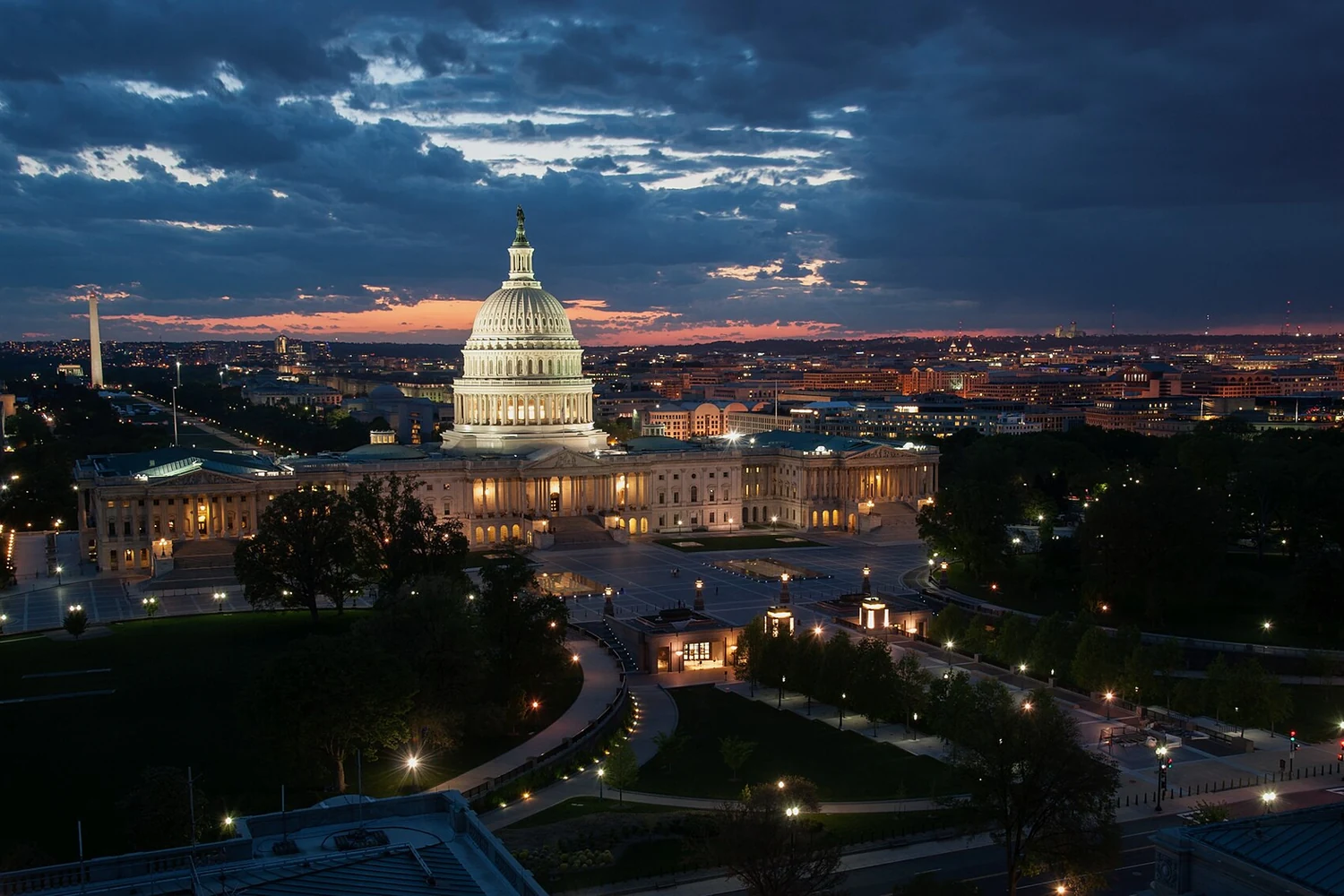
Image credit: Architect of the Capitol via Wikimedia Commons · Public domain (U.S. federal government work)
The U.S. Senate unanimously approved the Muhammad Ali American Boxing Revival Act on Thursday, moving a proposed overhaul of professional boxing closer to President Donald Trump's desk.
The vote did not make the bill law. The House passed a different version in March, so it must now accept the Senate's changes before the measure can go to the president. ESPN reported that Congress has until early January to finish the process or start over when the next Congress is seated.
What the bill would change
The Senate text creates a legal framework for voluntary Unified Boxing Organizations, or UBOs. A UBO could sign fighters, organize and promote bouts, maintain rankings, and award titles inside the same operation. Traditional promoters and sanctioning bodies could continue to operate alongside that system.
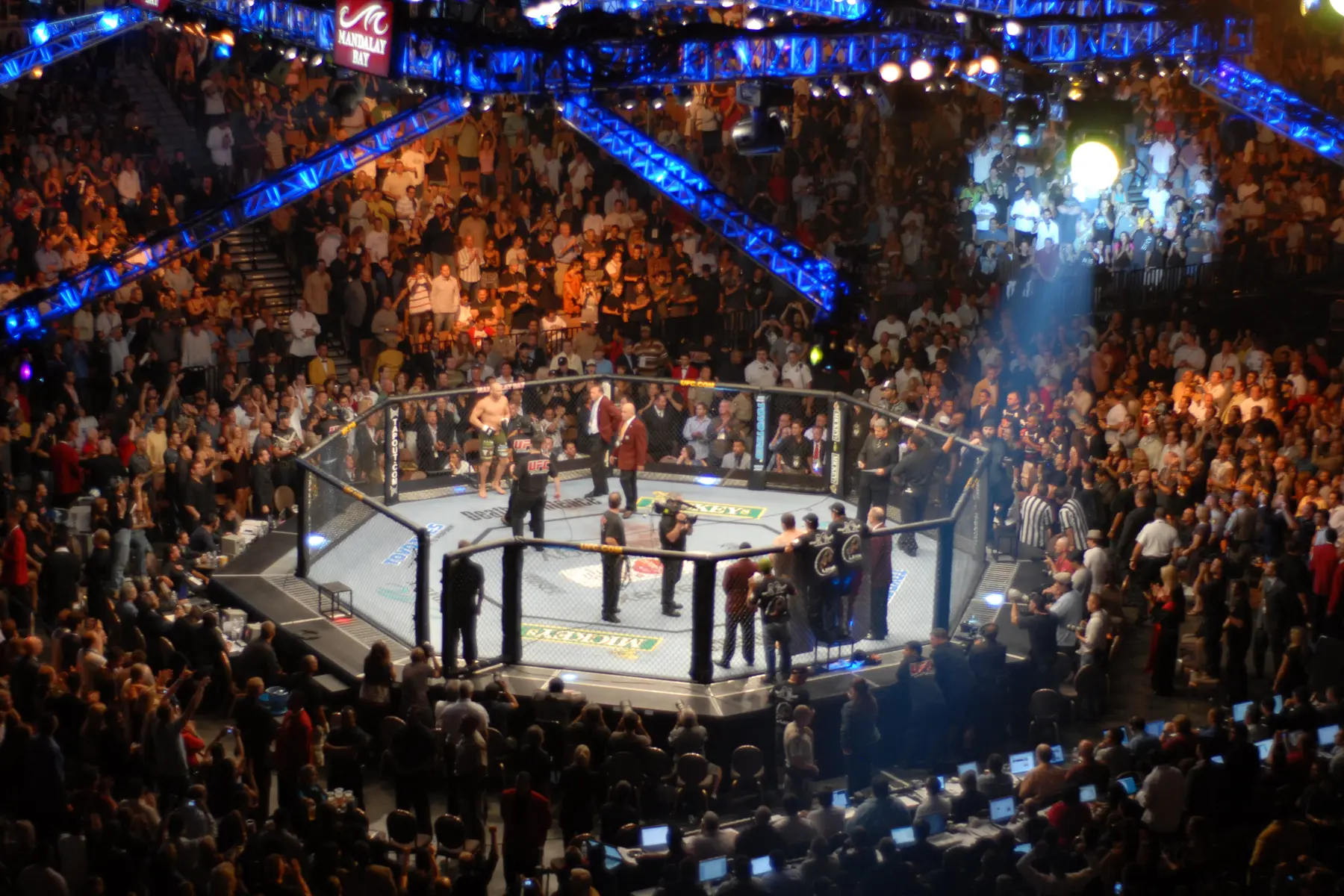
That structure will sound familiar to MMA fans. The UFC contracts athletes, books fights, controls its rankings and awards its own championships. Boxing has usually divided those jobs among promoters, managers and sanctioning organizations. The bill would allow a league-style operator to bring them under one roof without formally replacing the existing system.
The proposal also includes rules aimed at fighter safety and pay. The Senate text requires a national minimum of $200 for each round a boxer participates in, at least $50,000 in medical coverage for fight injuries, and $15,000 in accidental-death coverage. UBOs would face additional anti-doping, medical-support and training-access requirements. Those figures are legal floors, not substitutes for negotiated purses.
Why MMA is part of the story
The legislation does not name the UFC, TKO Group Holdings or any other company as an approved UBO. It also does not automatically hand anyone a boxing league. A future operator would still have to meet the federal conditions and work under state or tribal commission authority.
The business model closely resembles the UFC's structure. ESPN identified the new boxing venture associated with UFC CEO Dana White and Turki Alalshikh as a potential beneficiary of the framework. If the bill becomes law, a well-funded operator could control fighter contracts, matchmaking, promotion, rankings and championships in a way that federal boxing rules have not previously accommodated.
Supporters, including bill sponsors Senators Ted Cruz and Jacky Rosen, say the alternative could produce major fights more consistently while adding medical and contract protections. Critics worry that combining so much authority inside one company would weaken fighters' leverage and give a dominant promoter too much control. The Senate revision attempts to answer some of that criticism with contract limits, a negotiating window before contracts expire, public disclosures and required support services.
What happens next
The revised measure returns to the House for another vote. If the House agrees to the Senate language, it can go to the president for a signature. Until those steps happen, no UBO system exists under the bill and boxing's current federal rules remain in place.
For MMA readers, the Senate vote matters because Congress is considering whether to make the UFC's centralized structure a lawful option in professional boxing. Whether that changes the business will depend on House approval, a presidential signature and the way any future league uses the authority.
Sources
Found an error? Send a correction and include this article’s URL.