Scott Coker's $60M MMA Comeback: New League Threatens UFC Dominance in 2027
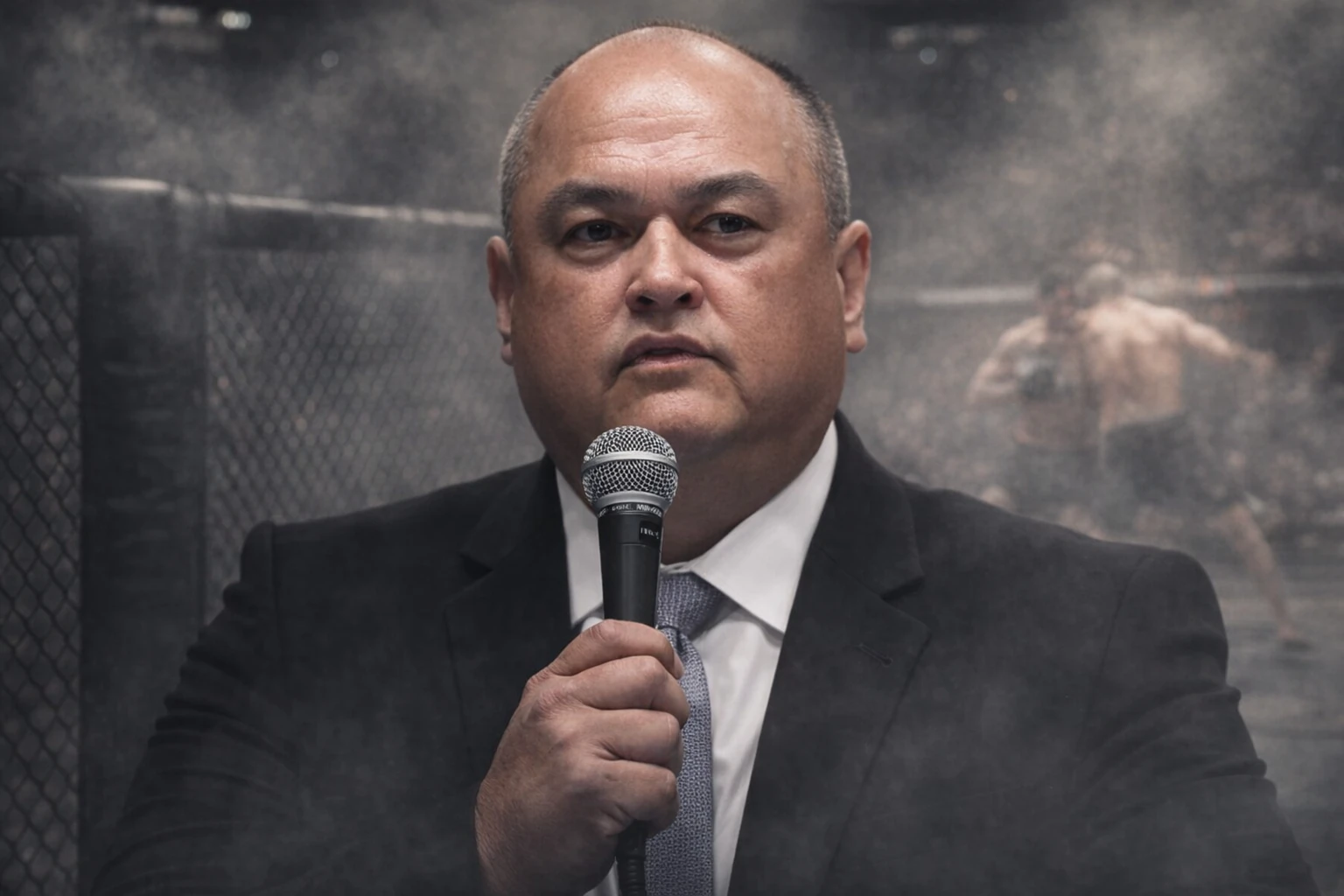
The mixed martial arts landscape is about to get significantly more crowded – and competitive. Scott Coker, the veteran promoter who built Strikeforce into a UFC rival before selling it in 2011 and later ran Bellator MMA, is making his return to the promotion game with serious financial backing and ambitious global plans.
The Story
After nearly four decades shaping combat sports, Coker has secured $60 million in financing to launch an unnamed MMA promotion set to debut in early 2027. The venture represents more than just another fight league – it's a direct challenge to the UFC's market dominance, backed by heavyweight investors from across sports, entertainment, and technology.
Coker will serve as CEO and co-founder alongside Peter Levin of Griffin Gaming Partners, who previously backed Strikeforce before its acquisition by the UFC. The investor roster reads like a who's who of business and entertainment, including skateboarding legend Tony Hawk, Upper Deck, D.C. United owner Steve Kaplan, New York Yankees limited partner Swimmy Minami, and multiple NFL and NBA franchise owners.
The timing isn't coincidental. The global MMA market has exploded into a $20 billion-plus industry with over 625 million fans worldwide, yet the founders argue there's still a massive gap in providing career pathways for fighters across more than 40 countries. This new venture aims to fill that void while challenging the established order.
The Business Context
To understand why this matters, you need to grasp the current MMA ecosystem. The UFC, owned by TKO Group Holdings, has maintained near-monopolistic control over elite MMA for over a decade. While Bellator, ONE Championship, and the PFL exist as alternatives, none have seriously threatened the UFC's stranglehold on top-tier talent and mainstream attention.
Coker's track record suggests this could be different. At Strikeforce, he developed future superstars like Daniel Cormier, Ronda Rousey, and Gina Carano before the UFC absorbed the promotion for a reported $40 million. During his Bellator tenure, he transformed a struggling organization into a legitimate alternative platform, though it never quite achieved the global reach he envisioned.
The MMA business model has evolved dramatically since Coker's early days. Streaming rights, international expansion, and athlete compensation have become central battlegrounds. The new league's "fighter-first" approach suggests they're positioning themselves as the athlete-friendly alternative to what many perceive as the UFC's restrictive contract structure.
The Money
The $60 million initial funding represents serious intent, though it's worth contextualizing this figure within the broader combat sports economy. For comparison, the UFC's parent company TKO Group Holdings went public with a valuation exceeding $9 billion, while the UFC alone generates over $1 billion annually in revenue.
However, $60 million can go far in MMA if deployed strategically. This funding level could support:
- Competitive fighter salaries to attract established talent
- International expansion into underserved markets
- Production quality that rivals major promotions
- Marketing campaigns to build brand recognition
- Venue costs for 12-15 events annually
Creator Sports Capital leads the funding round, with Griffin Gaming Partners providing both capital and operational expertise through Levin's involvement. This isn't speculative investment; these are experienced operators who understand the combat sports business model.
The Players
Scott Coker remains the central figure, bringing nearly four decades of promotional experience. His reputation for treating fighters well has earned loyalty across generations of athletes – a crucial asset when competing for talent against the UFC's deeper pockets.
Peter Levin's involvement as co-founder and chairman provides continuity from the Strikeforce days while adding modern venture capital expertise. Griffin Gaming Partners specializes in gaming and entertainment investments, suggesting they view MMA through a broader entertainment lens rather than just sports.
The advisory board reads impressively: former TelevisaUnivision CEO Wade Davis, ex-Sony Pictures Television chairman Steve Mosko, and Kevin Kay, former president of Paramount Network and Spike TV. This brain trust suggests serious media industry connections and distribution strategy thinking.
Tony Hawk's involvement, while seemingly unusual, actually makes strategic sense. His global brand recognition and crossover appeal could help the promotion reach audiences beyond traditional MMA demographics. Celebrity investors often provide marketing value that exceeds their financial contribution.
Fighter Impact
For professional fighters, this development represents potentially transformative opportunity. The current MMA ecosystem heavily favors promotions over athletes, with the UFC's exclusive contracts and revenue-sharing model leaving many fighters financially struggling despite generating significant revenue.
Coker's "fighter-first" philosophy could translate into:
- Higher base salaries and performance bonuses
- More favorable contract terms and shorter exclusive periods
- Better healthcare and retirement benefits
- Greater revenue sharing from sponsorships and merchandise
- More transparent rankings and title shot opportunities
However, fighters will face difficult decisions. Joining an unproven promotion means forgoing immediate UFC opportunities, potentially sacrificing short-term earnings for long-term benefits. Established stars might wait to see if the new league gains traction before making moves.
Fan Impact
MMA fans could be the biggest winners if this venture succeeds. Competition typically drives innovation and improved products across industries, and combat sports is no exception.
Potential fan benefits include:
- More competitive fight cards as promotions bid for top talent
- Innovative broadcast formats and viewing experiences
- Lower pay-per-view prices or alternative viewing models
- Fresh matchups between previously separated talent pools
- Greater focus on storytelling and athlete development
However, market fragmentation could also create challenges. Fans might need multiple subscriptions to follow their favorite fighters, and determining "legitimate" champions could become more complicated with additional major promotions.
Big Picture
This announcement reflects broader trends reshaping the sports entertainment landscape. Traditional media gatekeepers are losing influence as streaming platforms and direct-to-consumer models gain prominence. Athlete empowerment movements across sports are challenging established power structures.
The MMA industry's rapid global growth creates room for multiple major promotions, unlike boxing's fractured landscape. The key question is whether there's sufficient talent depth and fan attention to support another elite-level organization.
Coker's timing appears strategic. The UFC faces ongoing antitrust litigation challenging its business practices, while Bellator's future remains uncertain following its acquisition by the PFL. This creates an opportunity window for a well-funded alternative to establish itself.
The venture's success will likely depend on three factors: securing marquee talent, developing compelling storylines, and achieving sustainable distribution deals. The financial backing and leadership team suggest they understand these challenges, but execution in the notoriously difficult combat sports business remains the ultimate test.
For the broader MMA ecosystem, increased competition should drive innovation and improve conditions for everyone involved – fighters, fans, and even existing promotions forced to evolve or risk being left behind.
The 2027 launch timeline provides adequate preparation while maintaining momentum from this announcement. By then, the current media rights landscape may look dramatically different, potentially creating new opportunities for emerging promotions to find their audience.
Whether this becomes the UFC's first serious long-term competitor or another well-funded failure will depend on execution, but the foundation appears stronger than most previous attempts to challenge MMA's established order.






Login with Email or Google
Be the first to comment!