"Scared Duck" vs "El Matador": Inside the Heated Topuria-Tsarukyan Rivalry That's Dividing the UFC Lightweight Division
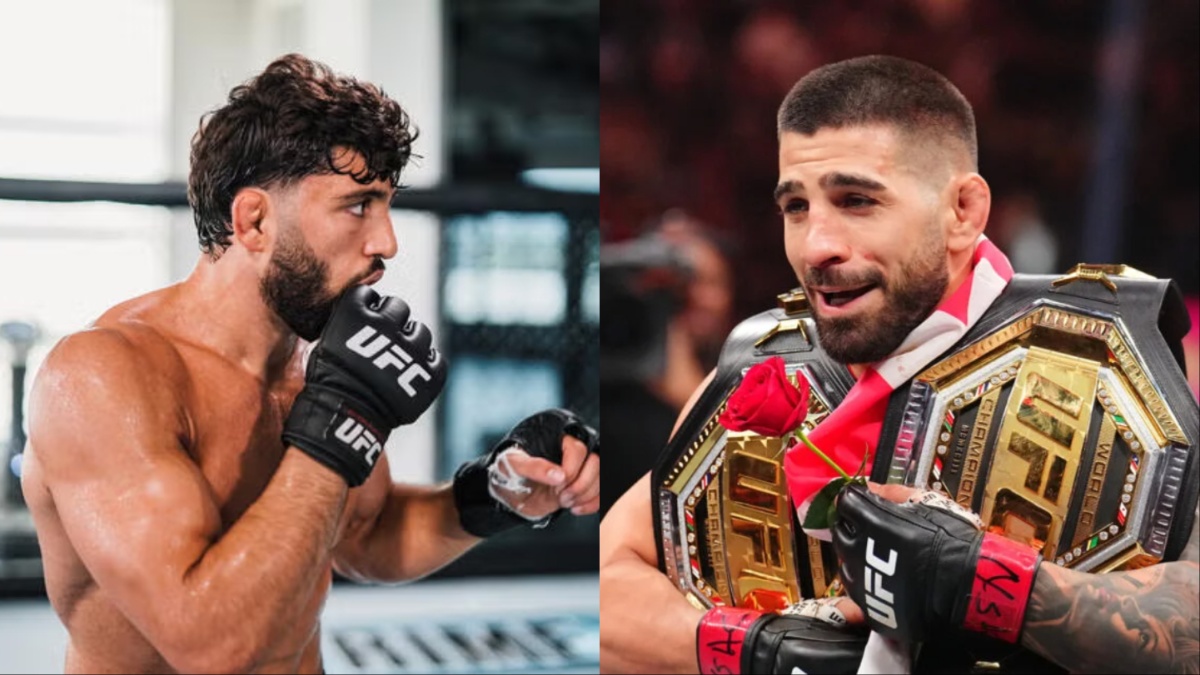
The tension crackled through social media like electricity through water. UFC lightweight champion Ilia Topuria had just delivered what many considered the most dismissive callout response in recent memory: "Arman, every time we see each other in person you freeze up like a scared duck with no idea what to do." The target of his venom? Arman Tsarukyan, the surging contender who had just submitted Dan Hooker at UFC Qatar and immediately demanded his title shot. Tsarukyan's response was swift and cutting: "Bro, you touched my neck like we were taking a family photo and now you're calling it a slap online?"
Welcome to the most compelling rivalry brewing in the UFC's lightweight division—a feud that combines legitimate sporting competition with personal animosity, cultural pride, and the age-old question of who truly deserves to be called the best 155-pound fighter on the planet.
Origins: When Confidence Meets Ambition
The seeds of this rivalry weren't planted in a single moment but grew from the fertile ground of two fighters' intersecting career trajectories. Both Topuria and Tsarukyan represent the new generation of UFC talent—technically sound, mentally tough, and utterly convinced of their own superiority. Yet their paths to prominence couldn't be more different.
Ilia Topuria, the Spanish-Georgian knockout artist known as "El Matador," burst onto the scene with a swagger that matched his finishing ability. His rise through the featherweight ranks was meteoric, culminating in a shocking knockout of Alexander Volkanovski that announced his arrival as a legitimate superstar. When he moved up to lightweight and captured the vacant title, Topuria carried himself with the confidence of a man who had never truly been tested.
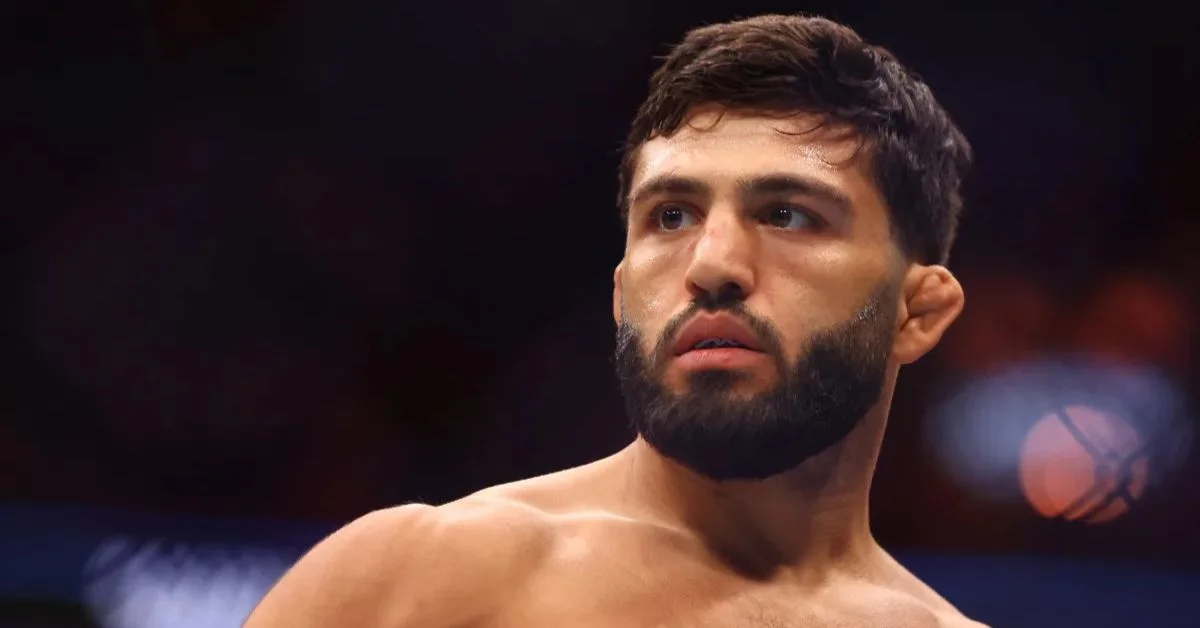
Arman Tsarukyan, meanwhile, took the grinder's path to contention. The Armenian-born fighter's UFC journey began with a controversial split decision loss to Islam Makhachev in his promotional debut—a performance that many felt he had won. Since then, Tsarukyan has methodically worked his way up the rankings, collecting wins through superior grappling, relentless pressure, and an increasingly dangerous finishing instinct.
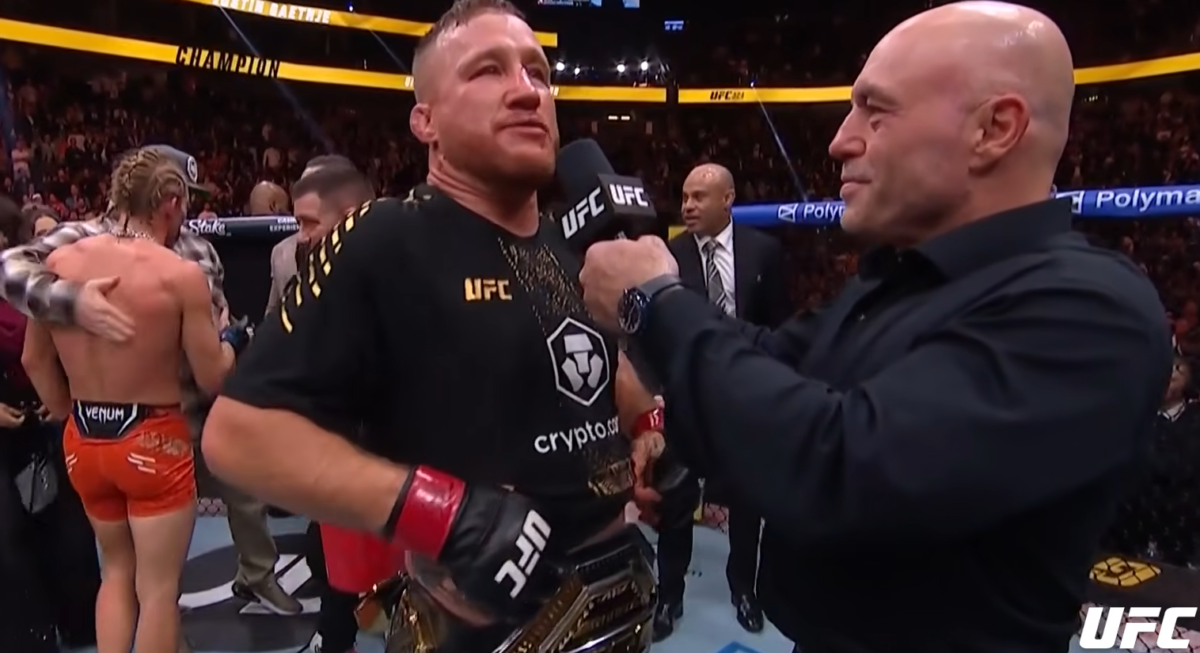
The rivalry truly began to simmer when Tsarukyan was passed over for an interim title shot earlier in 2025, despite his impressive winning streak and legitimate claim to a championship opportunity. While Justin Gaethje was awarded the interim belt, Tsarukyan found himself in the familiar position of watching others leapfrog him in the title picture—a slight that clearly ate at the proud contender.
The Slap That Started It All
The personal animosity between these fighters can be traced to a specific incident that both men remember very differently. According to Topuria, he once slapped Tsarukyan during a face-to-face encounter, with the Armenian simply laughing it off before "acting like a gangster" afterward. Tsarukyan vehemently disputes this version of events, claiming Topuria merely "touched my neck like we were taking a family photo."
This disagreement over what actually happened reveals something crucial about both fighters' personalities. Topuria, ever the showman, appears to have embellished a minor physical interaction into evidence of his dominance over his rival. Tsarukyan, more measured in his approach, calls out what he sees as manufactured drama designed to build hype for a potential fight.
The incident highlights a fundamental difference in how these fighters approach their careers. Topuria embraces the theatrical aspects of modern MMA, understanding that personality and narrative often matter as much as performance inside the octagon. Tsarukyan, while not averse to promoting fights, seems more focused on letting his fighting do the talking.
Escalation: From Callouts to Character Assassination
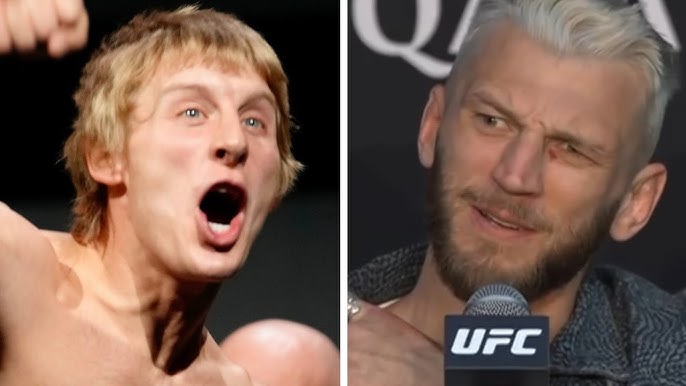
The rivalry intensified significantly following Tsarukyan's dominant performance against Dan Hooker at UFC Qatar in November 2025. After submitting the veteran New Zealander, Tsarukyan used his post-fight platform to directly challenge Topuria for the lightweight title. His callout was respectful but firm—the kind of professional challenge that typically generates little controversy.
Topuria's response, however, was anything but professional. "El Matador" dismissed Tsarukyan not just as an unworthy challenger but as someone who "freezes up like a scared duck" in his presence. The language was deliberately emasculating, designed to get under Tsarukyan's skin and position himself as the alpha in their dynamic.
But Topuria didn't stop there. In a live stream with popular content creator Adin Ross, the champion went further, systematically breaking down why he viewed Tsarukyan as an "easy" knockout victim:
"He will panic," Topuria declared with characteristic confidence. "With me, he will panic. What's he going to do? I always used to say, when I'm in training camp, I know how it feels when you feel pain. I know how it feels when you feel tired. I know how it feels when you feel like you can't do more, and you keep doing it."
The champion's assessment of Tsarukyan was clinical in its dismissiveness. He pointed to the Armenian's losses to Islam Makhachev and Mateusz Gamrot, questioned his finishing ability, and suggested that Tsarukyan only succeeded against tired opponents through ground-and-pound. It was character assassination disguised as fight analysis.
The Fighters: Pride, Pressure, and Perception
To understand this rivalry fully, one must examine what each fighter brings to the table and what this potential matchup means for their respective careers.
Ilia Topuria represents the new breed of MMA superstar—multilingual, media-savvy, and possessed of the kind of knockout power that creates highlight reels and pay-per-view buys. His move from featherweight to lightweight was seen as a natural progression for a fighter who had seemingly conquered everything at 145 pounds. The lightweight title represents validation of his decision and proof that his success wasn't limited to a single weight class.
For Topuria, this rivalry serves multiple purposes. It allows him to position himself as the clear alpha of the division while potentially setting up a massive fight against a legitimate contender. His dismissive attitude toward Tsarukyan also reinforces his image as a supremely confident champion who fears no one.
Arman Tsarukyan embodies the patient, methodical approach to championship contention. His journey has been marked by near-misses and overlooked opportunities, creating a fighter with a chip on his shoulder and something to prove. Currently riding a five-fight winning streak in one of the UFC's most competitive divisions, Tsarukyan represents the kind of well-rounded threat that has historically given knockout artists problems.
For Tsarukyan, this rivalry represents his best path to the title shot he's been chasing for years. A fight with Topuria would not only give him the championship opportunity he deserves but also allow him to prove that his methodical approach can overcome raw knockout power. His measured responses to Topuria's provocations suggest a fighter who understands the business side of the sport while remaining focused on the ultimate prize.
In the Octagon: Styles Make Fights
From a purely sporting perspective, a potential Topuria-Tsarukyan matchup represents a fascinating stylistic clash that could produce fireworks inside the octagon.
Topuria brings devastating knockout power in both hands, excellent timing, and the kind of finishing instinct that has ended fights against elite competition. His movement and counter-striking ability make him dangerous at all ranges, while his confidence often translates into aggressive, crowd-pleasing performances.
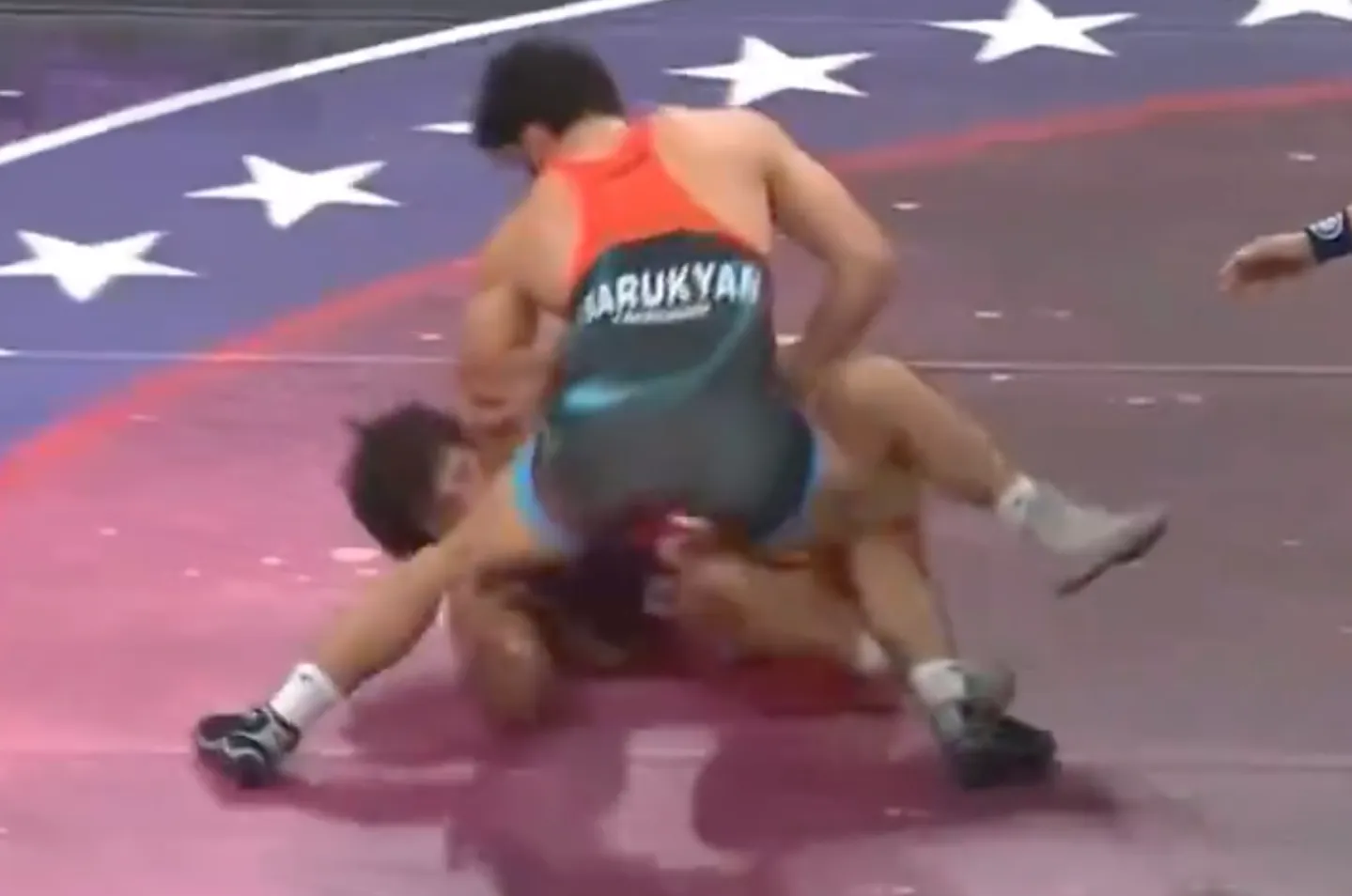
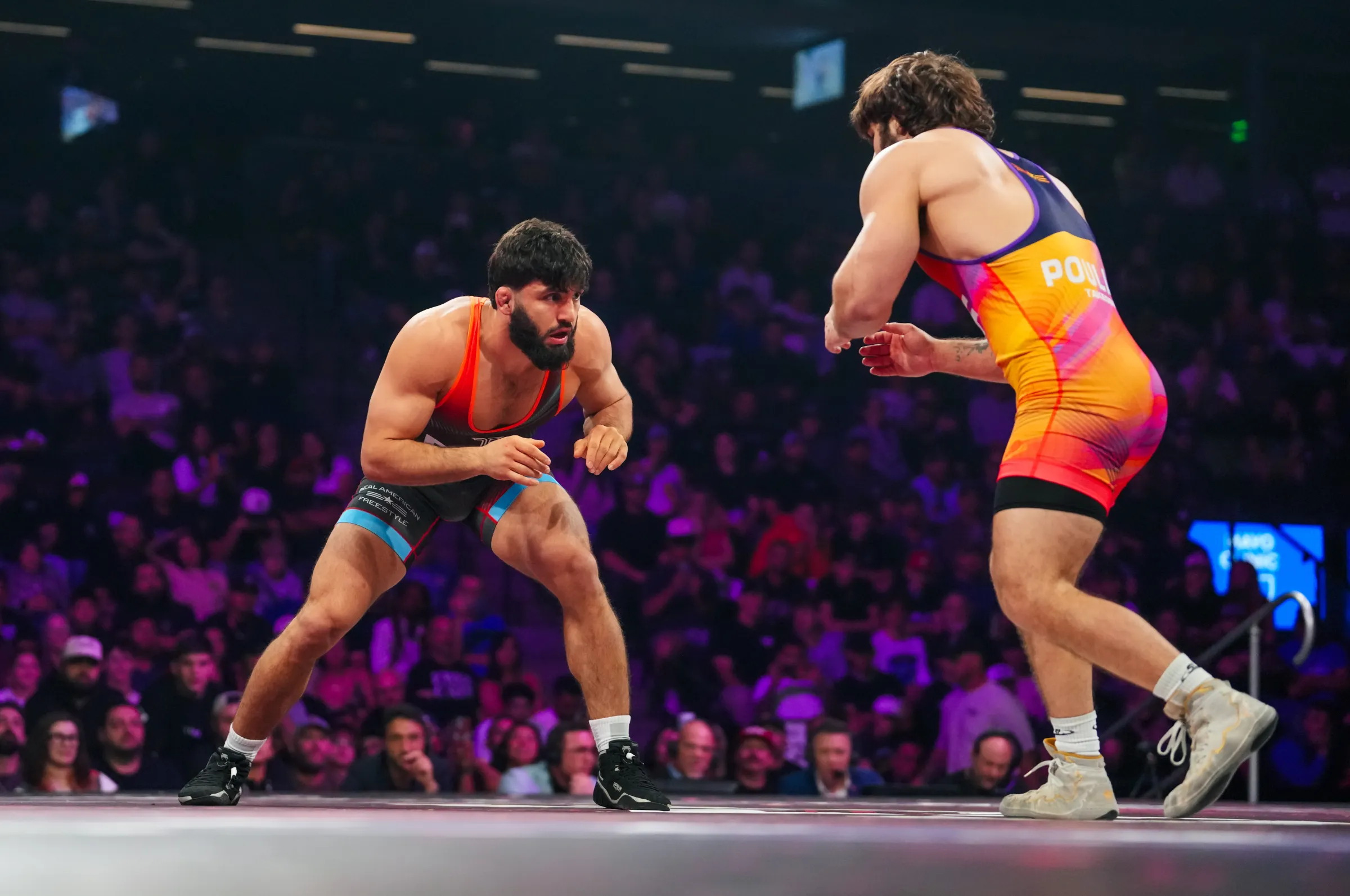
Tsarukyan counters with superior wrestling credentials, excellent cardio, and the kind of relentless pressure that has worn down numerous opponents. His recent submission victory over Dan Hooker demonstrated improved finishing ability, while his grappling accolades outside the UFC show he's continuing to evolve as a complete martial artist.
The matchup would likely hinge on Tsarukyan's ability to implement his wrestling-heavy game plan against Topuria's takedown defense and counter-striking. If Tsarukyan could get the fight to the ground consistently, his superior grappling could neutralize Topuria's power advantage. Conversely, if Topuria could keep the fight standing and find his range, his knockout power could end the contest at any moment.
Topuria's dismissive comments about Tsarukyan's finishing ability seem particularly misguided given the Armenian's recent performances. While it's true that Tsarukyan has historically been more of a decision winner, his evolution as a finisher suggests Topuria may be underestimating his opponent's danger.
The Psychological Warfare
Perhaps the most intriguing aspect of this rivalry is the psychological battle being waged outside the octagon. Topuria's strategy appears designed to get inside Tsarukyan's head, portraying him as mentally weak and prone to panic under pressure. The "scared duck" characterization is particularly pointed, suggesting that Tsarukyan lacks the killer instinct necessary to compete at the championship level.
Tsarukyan's responses have been notably measured, focusing on correcting what he sees as false narratives while maintaining his focus on securing the title shot. His claim that there's "nothing personal" between them suggests a fighter who understands that manufactured beef often serves both parties' interests in building a marketable fight.
This dynamic creates an interesting subplot: Is Topuria's confidence genuine, or is it a carefully constructed persona designed to intimidate opponents and sell fights? Similarly, is Tsarukyan's measured approach a sign of mental toughness or an indication that he lacks the edge necessary to overcome a supremely confident champion?
Current State: Waiting for the UFC's Decision
As of late 2025, the rivalry remains in a holding pattern while the UFC sorts out its lightweight title picture. Topuria is expected to defend his title against interim champion Justin Gaethje, a fight that many fans see as less compelling than a potential Tsarukyan matchup. This situation has only added fuel to the fire, with Tsarukyan continuing to make his case for a title shot while Topuria maintains his dismissive stance.
Tsarukyan's willingness to turn around quickly for a January 2026 title fight demonstrates his eagerness to settle the score inside the octagon. His recent performances have only strengthened his case, while Topuria's continued dismissiveness risks looking foolish if he struggles against other opponents.
The social media exchanges continue to generate buzz among MMA fans, with both fighters understanding that their verbal sparring is building interest in a potential future matchup. Whether the UFC capitalizes on this organic rivalry remains to be seen, but the foundation for a compelling fight has certainly been laid.
Legacy: More Than Just Personal Animosity
This rivalry represents something larger than just two fighters trading insults on social media. It embodies the eternal tension in MMA between different paths to success—the flashy knockout artist versus the methodical grinder, the confident showman versus the quiet professional.
For the lightweight division, this rivalry provides a compelling narrative that transcends simple sporting competition. It asks fundamental questions about what makes a champion: Is it raw talent and knockout power, or is it the methodical accumulation of skills and experience? Can confidence and intimidation overcome superior technique and preparation?
The resolution of this rivalry, whenever it comes, will likely define both fighters' legacies. For Topuria, it represents a chance to prove that his confidence is backed up by skill and that he can overcome the kind of well-rounded threat that has historically troubled knockout artists. For Tsarukyan, it offers the opportunity to validate years of patient work and prove that substance can triumph over style.
Regardless of how this rivalry ultimately plays out, it has already succeeded in capturing the imagination of MMA fans worldwide. In a sport often criticized for manufactured drama and forced rivalries, the Topuria-Tsarukyan feud feels organic and compelling—a genuine clash of personalities and fighting styles that promises fireworks whenever these two finally step into the octagon together.
The question now isn't whether this fight will happen, but when. And when it does, it will settle more than just who holds the UFC lightweight title—it will determine which philosophy of fighting reigns supreme in one of the sport's most competitive divisions.

Login with Email or Google
Be the first to comment!