Ronda Rousey’s Controversial UFC Departure: A Rival Says Her Exit Was Largely Her Own Doing
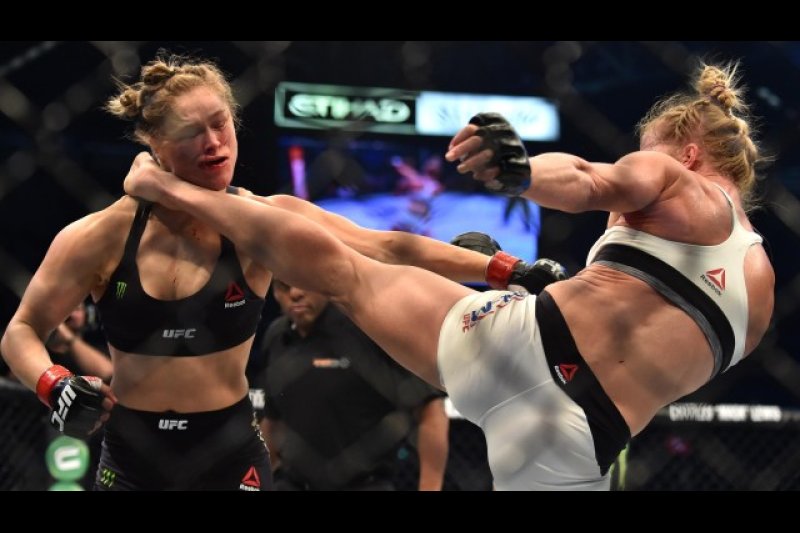
Ronda Rousey’s rise in mixed martial arts was meteoric. She became one of the most dominant champions in UFC history, turned global superstar, and helped bring women’s MMA into the mainstream. But her exit from the sport has remained one of the most debated subjects in MMA circles since her last fight. Now, a former rival has weighed in, suggesting that the way Rousey’s UFC journey ended was largely of her own making.
There’s no question Rousey’s influence on the sport was profound. When she burst onto the MMA scene, her combination of Olympic judo credentials, blistering armbar finishes, and charismatic presence quickly made her a force to be reckoned with. She steamrolled through opponents while holding the women’s bantamweight title, and many of her victories ended in the first round with submission attacks that became her signature.
As her star continued to rise, Rousey became one of UFC’s biggest draws, headlining major pay-per-view cards and crossing over into mainstream entertainment. Her appeal extended far beyond traditional fight fans, earning her movie roles, endorsements, and a level of fame rarely seen in the sport. Yet the dramatic nature of her victories also helped fuel expectations that she was virtually unbeatable.
Those expectations began to change following her highly publicized losses later in her UFC tenure. Her first defeat, against a fellow elite striker, exposed vulnerabilities in her stand-up game that opponents had long sought to exploit. A second loss, in another marquee matchup, reinforced questions about her preparation, adaptability, and the overall direction of her career. What had once seemed like an unstoppable ascent suddenly looked like a different trajectory.
In the years since her final fight, Rousey’s departure from the UFC has remained a topic of intense discussion. Fans, pundits, and fighters alike have debated whether her exit was inevitable, premature, or mishandled. Many point to the emotional weight of those losses, the mainstream spotlight she carried, and the evolving level of competition as factors that contributed to her decision to step away.
Now, a fierce rival from Rousey’s era has added another layer to the conversation by suggesting that her own actions and choices played a significant role in how her UFC career concluded. According to this competitor, Rousey’s approach to training, media obligations, and personal mindset in the lead-up to her final fights were not aligned with what was required to continue dominating at the sport’s highest level.
The rival did not dismiss Rousey’s achievements — far from it. She acknowledged Rousey’s impact on the sport and the barriers she shattered for female fighters. But she also pointed to specific areas where Rousey’s preparation and strategic focus may have fallen short. In her view, Rousey may not have adapted sufficiently to the tactical evolution of her opponents, particularly in the years when the overall skill level in women’s MMA was rapidly improving.
This rival’s perspective aligns with a broader narrative that fighters, especially champions, must continuously evolve. In Rousey’s early UFC years, her judo prowess and submission efficiency were virtually unmatched. Opponents often struggled to grapple with her or counter her explosive takedowns. But as time went on, fighters began to develop well-rounded skill sets that neutralized Rousey’s dominant strengths and exposed gaps in striking defense and positional depth.
To be clear, this rival’s comments are not framed as personal animosity. Rather, they reflect a competitive lens through which many in the fight community evaluate career trajectories — particularly when a high-profile athlete departs under controversial circumstances. Rousey’s exit was not simply a matter of retirement; it was a dramatic pivot that left questions about legacy, unfinished business, and what might have been if circumstances had played out differently.
Rousey herself has since forged a successful career outside the Octagon. She has remained in the public eye through acting, commentary, and personal endeavors that highlight her multifaceted talents beyond combat sports. Her presence in mainstream media continues to influence perceptions of female athletes and shape discussions about the intersections of sports, entertainment, and personal brand.
Despite that external success, the conversation about her UFC exit continues to resonate within the MMA world. Supporters argue that Rousey’s legacy is secure regardless of how her career ended, pointing to her historic title reign and the doors she opened for women in combat sports. Others contend that her final fights and abrupt departure left a narrative thread unresolved — one that invites analysis from fighters, commentators, and fans alike.
The rival’s comments have reignited some of those debates, prompting renewed scrutiny of Rousey’s final years as a competitor. Her situation highlights the complexities elite athletes face when their early dominance gives way to heightened competition and shifting expectations. For every champion, the pressure to adapt — technically, mentally, and emotionally — is immense. In Rousey’s case, the spotlight amplified those pressures in ways few fighters ever experience.
As the MMA community continues to reflect on Rousey’s career arc, the differing viewpoints illustrate how personal perspective shapes interpretation of sporting history. Some emphasize her trailblazing impact and cultural legacy; others focus on the tactical and psychological aspects of her last fights and how they factored into her decision to step away.
What remains undisputed is Rousey’s place in MMA history. Whether her departure was viewed as self-inflicted, inevitable, or simply the culmination of a journey that defied expectations, her influence on the sport — both in competition and beyond — is enduring. The discussion around her exit serves as a reminder that even the most iconic careers are complex, shaped by victories, defeats, choices, and perceptions both inside and outside the cage.






Login with Email or Google
Be the first to comment!