Paddy Pimblett vs Justin Gaethje: Head-to-Head Breakdown, Styles, Paths to Victory
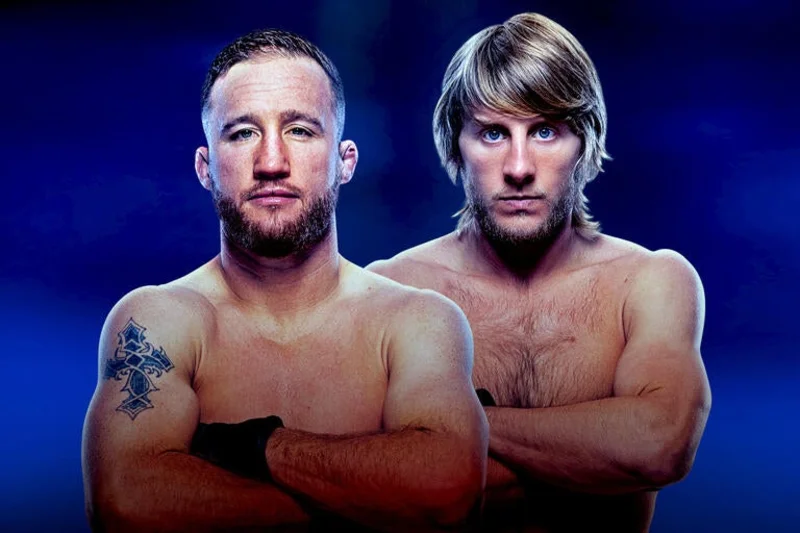
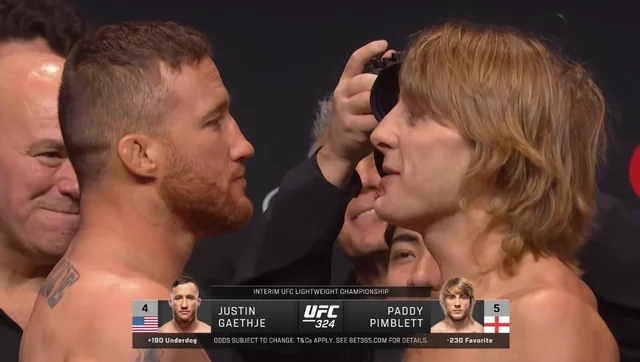
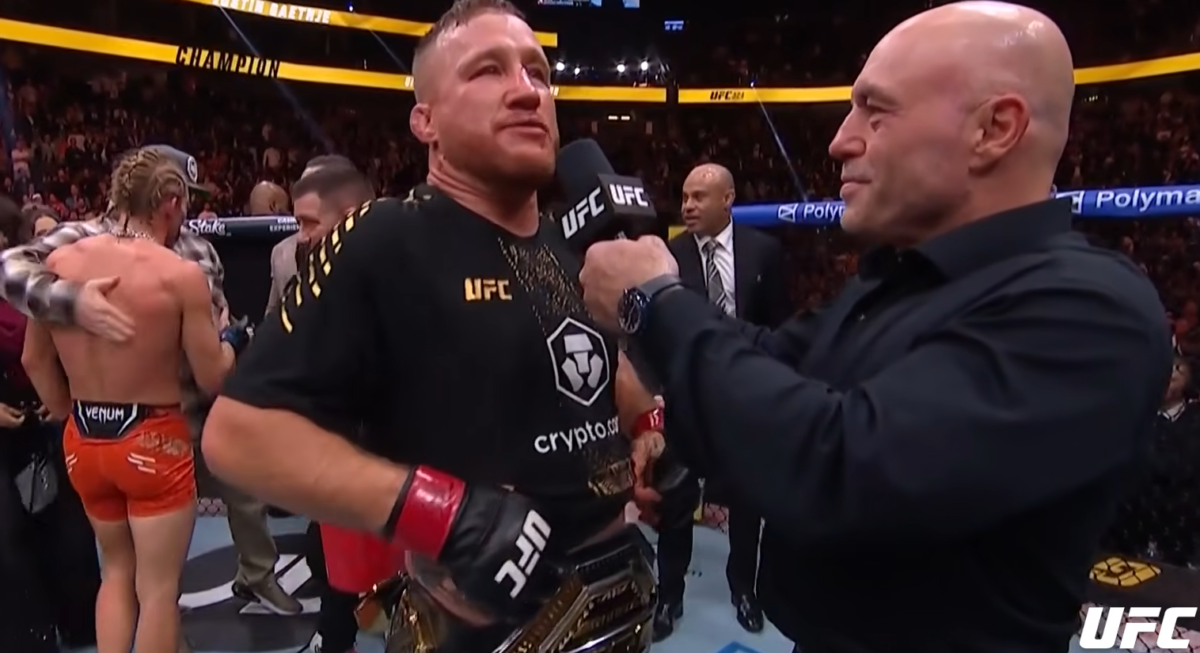
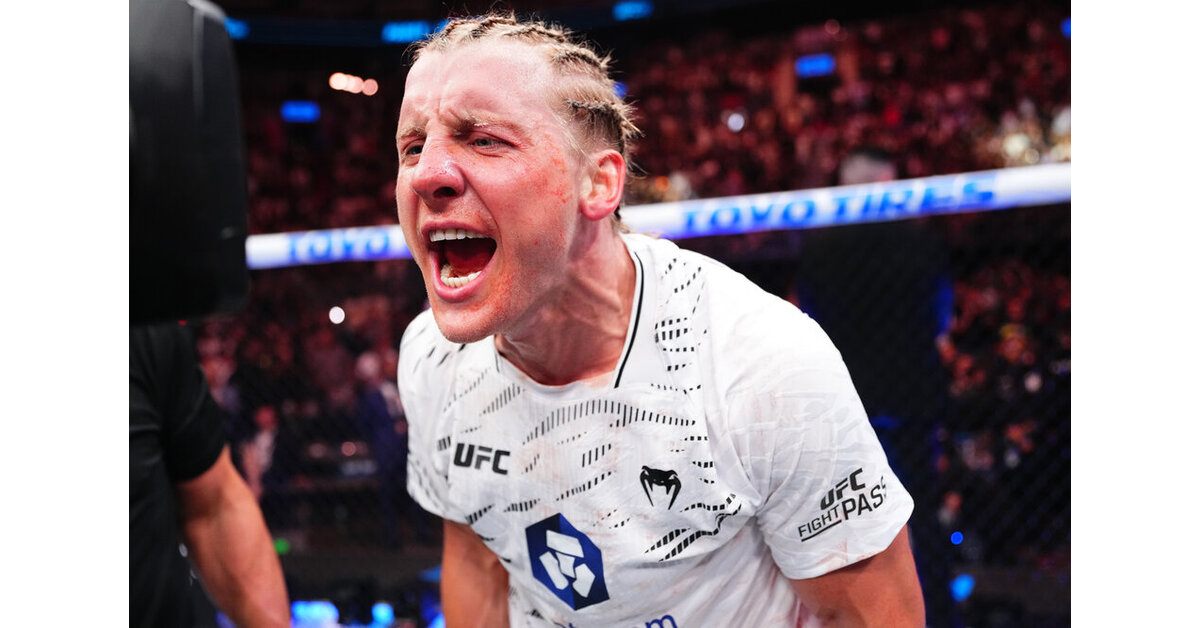
The lightweight division continues to showcase fascinating stylistic contrasts, and few matchups would be more intriguing than a potential clash between Liverpool's rising star Paddy "The Baddy" Pimblett and Arizona's violent finisher Justin "The Highlight" Gaethje. While these fighters operate in different phases of their UFC careers, analyzing their contrasting approaches offers valuable insights into modern mixed martial arts evolution.
Fighter Profiles and Career Trajectories
Paddy Pimblett: The Rising Scouser
At 29 years old, Paddy Pimblett has rapidly ascended from Cage Warriors champion to UFC prospect with significant mainstream appeal. Standing 5'10" with a 73-inch reach, Pimblett brings a submission-heavy approach that harks back to MMA's earlier eras while adapting to modern competition.
Pimblett's professional record stands at 21-3, with 11 submission victories highlighting his ground game prowess. His UFC tenure began in September 2021 with a first-round submission of Luigi Vendramini, followed by decision victories over Rodrigo Vargas and Jordan Leavitt, plus a submission win against Jared Gordon. His most recent performance against Tony Ferguson demonstrated both his finishing ability and his capacity to handle veteran opposition.
The Liverpool native's career trajectory represents the modern path of regional champions transitioning to the UFC's global stage. His Cage Warriors success, where he captured and defended the featherweight title, provided the foundation for his current lightweight campaign.
Justin Gaethje: The Proven Warrior
Justin Gaethje, at 35, represents the established elite of the lightweight division. Standing 5'11" with a 71-inch reach, Gaethje has built his reputation on devastating leg kicks, boxing combinations, and an almost supernatural ability to engage in violent exchanges while maintaining technical precision.
Gaethje's professional record of 25-5 includes 19 knockout victories, showcasing his finishing power across multiple organizations. His UFC journey began in 2017, immediately establishing himself with Performance of the Night bonuses in his first four appearances. Notable victories include former champions Rafael dos Anjos and Tony Ferguson, plus his interim title capture against Ferguson and subsequent title challenge against Khabib Nurmagomedov.
The former World Series of Fighting lightweight champion represents the traditional American wrestling base enhanced by elite-level striking development, embodying the evolution of the wrestler-striker archetype.
Technical Analysis: Striking Systems
Pimblett's Striking Approach
Pimblett's striking serves primarily as a setup for his grappling game, though he's shown steady improvement in pure boxing exchanges. His orthodox stance allows him to utilize a jab-heavy approach, often looking to close distance for clinch work or takedown attempts.
His striking statistics reveal a measured approach: averaging 3.12 significant strikes landed per minute while absorbing 3.58. This differential suggests he prioritizes grappling exchanges over prolonged striking battles. His significant strike accuracy of 45% demonstrates solid technique, though he tends to load up on power shots rather than maintaining high-volume output.
Pimblett's footwork emphasizes forward pressure, utilizing his reach advantage effectively in the pocket. His head movement has improved significantly since joining the UFC, showing better defensive awareness against counter-striking opportunities.
Gaethje's Striking Mastery
Gaethje operates as one of the division's most dangerous strikers, combining devastating leg kicks with boxing combinations that have dropped numerous elite opponents. His southpaw stance creates natural angles for his signature left hook and allows him to attack orthodox fighters' lead legs consistently.
Statistical analysis reveals Gaethje's striking prowess: he averages 5.73 significant strikes landed per minute while absorbing 5.24. This high-output approach reflects his willingness to engage in exchanges, trusting his power and conditioning to outlast opponents. His 52% significant strike accuracy demonstrates precise technique despite the high volume.
Gaethje's leg kick game remains perhaps his most dangerous weapon, systematically breaking down opponents' mobility and power generation. His ability to switch between boxing combinations and low kicks creates constant offensive threats, forcing opponents to defend multiple levels simultaneously.
Grappling and Ground Game Analysis
Pimblett's Submission Expertise
Pimblett's ground game represents his primary path to victory in most matchups. His submission rate of 52% (11 of 21 victories) demonstrates consistent finishing ability across multiple positions. His Brazilian Jiu-Jitsu background, enhanced by his wrestling development, creates a well-rounded grappling attack.
His takedown accuracy in the UFC stands at 50%, with 2.5 attempts per 15 minutes showing selective but effective wrestling entries. Once on the ground, Pimblett excels at position advancement and submission hunting, particularly from back control and guard positions.
Pimblett's submission arsenal includes rear naked chokes, triangles, and arm submissions, with his back control being particularly dangerous. His ability to threaten submissions from multiple positions forces opponents to remain defensive, often creating opportunities for ground-and-pound or positional advancement.
Gaethje's Defensive Wrestling
Gaethje's wrestling credentials include Division I All-American status at the University of Northern Colorado, though he rarely utilizes offensive wrestling in MMA competition. His takedown defense rate of 68% demonstrates solid defensive capabilities, though this has been tested by elite grapplers throughout his career.
His ground game philosophy emphasizes quick returns to standing position rather than extended grappling exchanges. When forced to grapple, Gaethje shows competent defensive awareness and scrambling ability, utilizing his wrestling base to avoid prolonged disadvantageous positions.
Gaethje's submission defense has proven vulnerable against elite grapplers, as demonstrated in his losses to Khabib Nurmagomedov and Charles Oliveira. However, his physical strength and scrambling ability make him difficult to control for extended periods.
Physical Attributes and Conditioning
Athletic Comparison
Both fighters possess excellent conditioning, though their training approaches differ significantly. Pimblett's conditioning emphasizes grappling-heavy sessions that build the muscular endurance necessary for ground control and submission attempts. His recent physical transformation has improved his overall athleticism while maintaining his grappling strength.
Gaethje's conditioning program focuses on maintaining explosive power throughout extended striking exchanges. His ability to maintain knockout power into championship rounds has been demonstrated repeatedly, with late-round knockouts highlighting his exceptional cardiovascular base.
The one-inch height advantage for Gaethje and two-inch reach advantage for Pimblett create minimal physical disparities, suggesting technical execution would determine striking exchanges rather than physical attributes.
Mental Game and Fight IQ
Pimblett's Tactical Approach
Pimblett demonstrates strong fight IQ in his ability to identify and exploit grappling opportunities. His patience in working toward submissions and willingness to accept inferior positions temporarily to create finishing opportunities shows tactical maturity.
His mental resilience has been tested in several UFC appearances, showing the ability to recover from difficult moments and maintain composure under pressure. His confidence in his submission skills allows him to take calculated risks that less experienced grapplers might avoid.
Gaethje's Warrior Mentality
Gaethje's mental approach combines calculated aggression with tactical striking intelligence. His ability to maintain technique while engaging in violent exchanges demonstrates exceptional mental discipline and training preparation.
His experience in high-level competition, including title fights and main events, provides significant advantages in pressure situations. Gaethje's willingness to engage in firefights while maintaining defensive awareness shows the mental toughness developed through years of elite competition.
Stylistic Matchup Analysis
Theoretical Engagement Scenarios
A potential matchup between these fighters would likely center on Pimblett's ability to secure takedowns against Gaethje's takedown defense and striking output. The engagement would probably unfold in several distinct phases:
Early Round Dynamics: Gaethje would likely establish his leg kick game while Pimblett seeks clinch work and takedown opportunities. The opening minutes would determine whether Pimblett could close distance effectively or if Gaethje could maintain striking range.
Grappling Exchanges: Any successful takedowns by Pimblett would create the fight's most critical moments. Gaethje's scrambling ability and submission defense would be tested against Pimblett's positional control and finishing instincts.
Striking Exchanges: Extended striking battles would generally favor Gaethje's power and experience, though Pimblett's improving boxing and reach advantage could create competitive moments in the pocket.
Key Technical Factors
The matchup would likely be determined by several technical factors:
Distance Management: Gaethje's ability to maintain optimal striking range versus Pimblett's clinch entries and takedown setups would establish the fight's primary battleground.
Conditioning Impact: Both fighters' conditioning would be tested differently - Gaethje through high-output striking and Pimblett through grappling control attempts.
Adaptability: The fighter who better adapts their game plan based on early round developments would gain significant advantages in later rounds.
Career Context and Division Standing
Current Lightweight Landscape
Both fighters operate within the UFC's most competitive division, though at different ranking levels. Gaethje's established position among the division's elite provides him with immediate title contention opportunities, while Pimblett continues building his resume against increasingly challenging opposition.
The lightweight division's current state rewards both finishing ability and well-rounded skill sets. Gaethje's proven ability against elite competition contrasts with Pimblett's rapid development and submission threat that could trouble any opponent.
Future Trajectory Considerations
Pimblett's career trajectory suggests continued improvement and increasingly difficult matchups as he climbs the rankings. His submission skills provide a path to victory against any opponent, though his striking development will determine his ceiling against elite competition.
Gaethje's established position creates opportunities for legacy-defining fights, whether through title contention or high-profile matchups against fellow contenders. His proven ability against elite competition ensures continued relevance in title discussions.
Conclusion
This stylistic comparison reveals two fighters representing different aspects of modern lightweight competition. Pimblett's submission-heavy approach and rising trajectory contrast with Gaethje's established striking prowess and proven elite-level experience. Both fighters possess clear paths to victory based on their respective strengths, creating the foundation for compelling matchups within the division's evolving landscape.
The technical analysis demonstrates how different skill sets can find success at the highest levels of competition, with each fighter's unique attributes creating distinct challenges for potential opponents. As the lightweight division continues evolving, both Pimblett's submission threats and Gaethje's striking violence represent valuable assets in the ongoing pursuit of divisional supremacy.


Login with Email or Google
Be the first to comment!