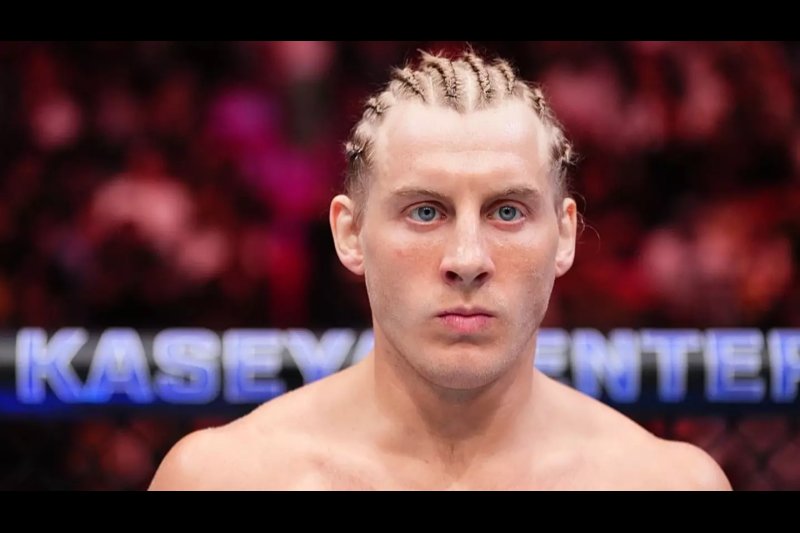
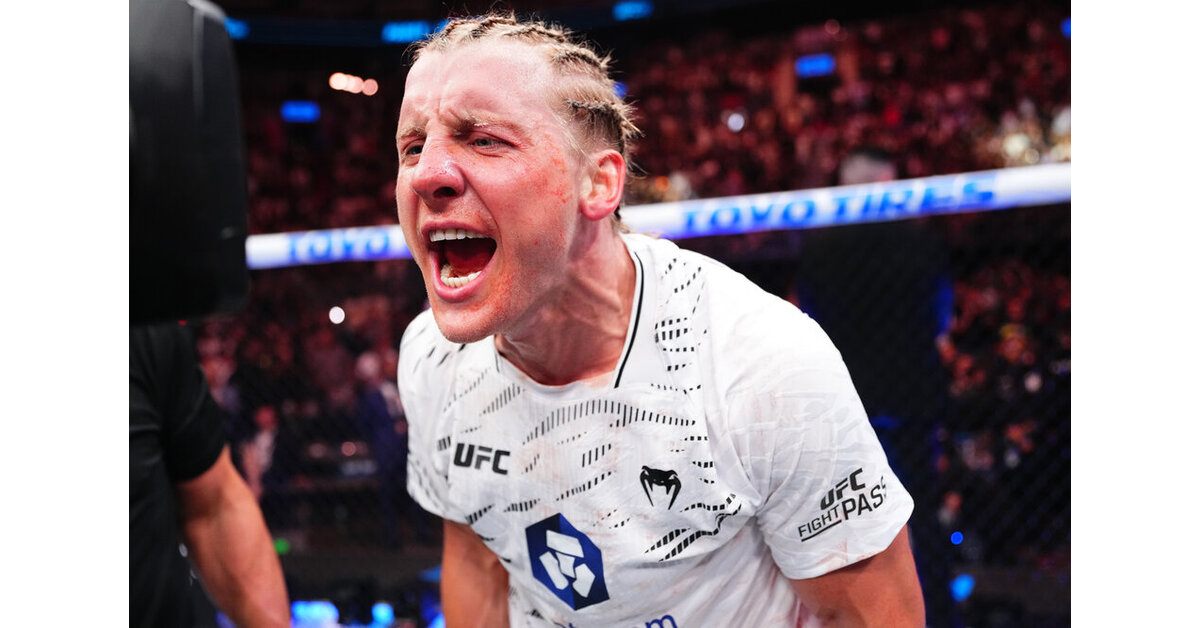
Paddy Pimblett, one of the UFC’s most outspoken lightweights, has found himself at the center of multiple controversies this week after a string of comments about fellow fighters sparked strong reactions within the MMA community. What began as a remark about a top contender quickly snowballed into a heated exchange involving a former friend, and has now prompted broader discussion about respect, rivalry, and personal boundaries in the sport.
The situation began when Pimblett offered his assessment of Arman Tsarukyan, a rising lightweight star known for his grappling prowess and competitive consistency. While the initial comment was framed as part of fight talk — which often includes comparisons and predictions — several observers felt Pimblett’s tone went beyond typical competitive banter.
Pimblett’s remarks about Tsarukyan were blunt, suggesting that the Georgian-born contender’s fighting style lacked excitement compared to some of the division’s flashier athletes. That assessment alone was enough to ignite debate among fans who see Tsarukyan as a legitimate threat to the top of the lightweight rankings. For others, the comments were simply part of the usual colorful commentary that Pimblett has become known for.
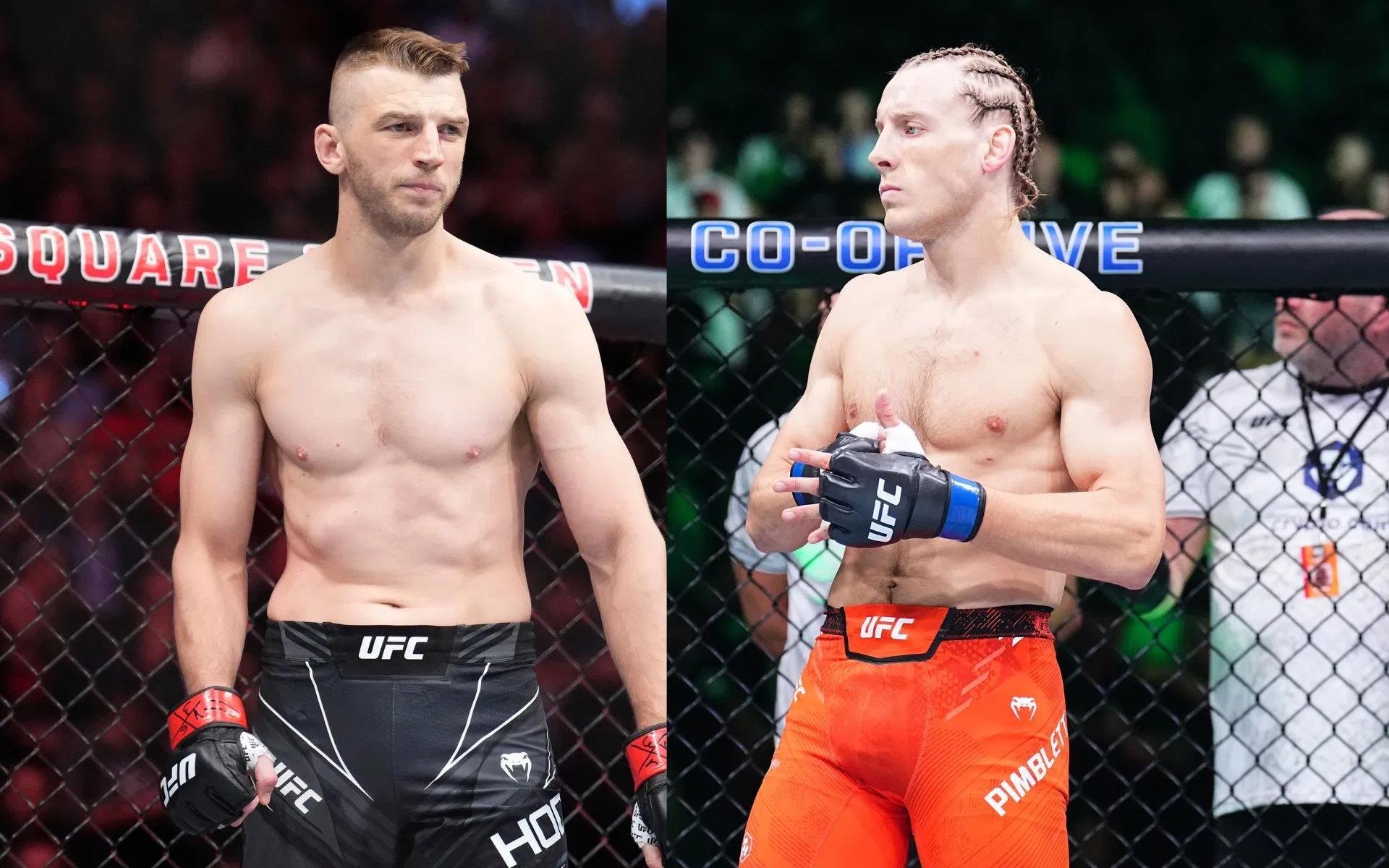
However, the situation escalated when Pimblett’s focus shifted to Dan Hooker, a longtime lightweight competitor and former UFC mainstay with a deep resume. The pair had previously shared a friendship rooted in mutual respect as fighters, but that dynamic changed sharply when Pimblett made what many viewed as an unnecessarily harsh remark about Hooker’s recent career trajectory.
Reacting to Hooker’s competitive struggles, Pimblett said, “I would rather retire than watch a man die in a cage.” That line, delivered in the heat of discussion, struck a nerve with many — particularly because Hooker is widely respected for his toughness and willingness to engage in high-intensity wars over the years.
The reaction was immediate and intense. Fans and fighters alike weighed in, with many expressing disappointment that Pimblett would use such phrasing about a peer with a legacy of grit and durability. For some, the comment crossed a line from competitive critique into unnecessarily personal territory.
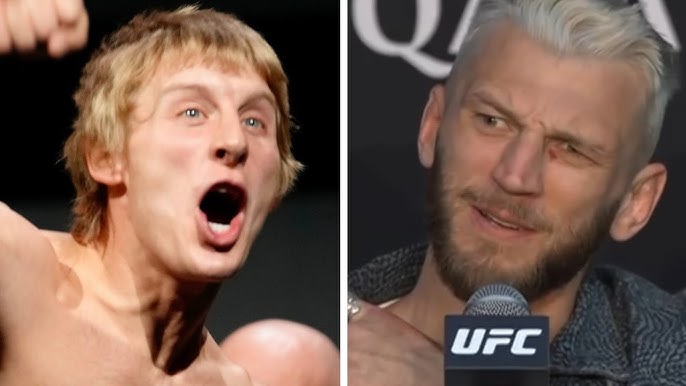
Hooker himself did not remain silent. In response to Pimblett’s remark, he addressed the split between them head-on, signaling that the relationship had suffered irreparable damage. A friendship that had been visible at various events and media engagements dissolved under the weight of Pimblett’s words.
In response to the incoming backlash, Pimblett attempted to clarify his intent, insisting that his comments were meant as hyperbolic fight talk rather than a genuine attack on Hooker’s character or career. He emphasized that his personality and style in public discourse have always leaned toward provocative and energetic commentary — a persona he says fuels interaction with fans and fuels rivalries.
Still, the fallout was significant. Many fighters and commentators echoed the sentiment that professional critique should stay focused on performance inside the cage rather than veering into remarks that can be interpreted as personal or disrespectful. Hooker’s career has been defined by his willingness to take on tough matchups and deliver memorable performances, and many within the MMA world felt that Pimblett’s phrasing unfairly diminished that legacy.
The rift between Pimblett and Hooker has now become a talking point in its own right, with online discussions dissecting not only the original comment but also how athletes address each other publicly. Some fans sided with Pimblett’s right to speak his mind, framing his statements as part of fighting talk that has always been a staple of combat sports promotion. Others cautioned that even in the realm of hype and bravado, there is a line between spirited commentary and comments that can harm relationships or reputations.
Meanwhile, responses to the remarks about Tsarukyan remained mixed. Arman Tsarukyan’s own camp did not directly respond to Pimblett’s critique, but analysts noted that the Georgian contender’s performances have earned him respect across divisions — a contrast to the casual dismissal implied by Pimblett’s original tone. Tsarukyan’s steady climb and grappling skill set have made him a consistent presence among lightweight contenders, and many saw Pimblett’s comment as a misreading of his credentials rather than an accurate assessment.
As the debate continues, the broader MMA community is left to consider the role that personality, promotion, and personal relationships play in modern fight discourse. The sport has always blended competitive rivalry with media narratives, and fighters often use bold, attention-grabbing statements to build intrigue around matchups. Pimblett’s style exemplifies that trend, but this week’s events illustrate how such commentary can have repercussions that extend beyond the octagon.
For Hooker, the controversy adds another layer to a storied career that has already included memorable battles and championship pursuits. For Tsarukyan, the episode serves as a reminder that rising stars are subject to fan and peer evaluation along with the broader spotlight. And for Pimblett — a fighter who has never been shy about expressing himself — the situation may prompt reflection about how comments are framed in a sport where respect and rivalry coexist in a delicate balance.
As fight fans watch how this narrative evolves — and whether future interactions between these athletes unfold — the conversation highlights a larger truth about MMA: it is as much about personalities and perception as it is about physical competition. Rivalry can drive interest and excitement, but the way it is expressed can shape relationships and reputations in ways that extend far beyond the cage.

Login with Email or Google
Be the first to comment!