Fallout & Future Fights: McGregor Suspended 18 Months — Oliveira Eyes a White House Payday
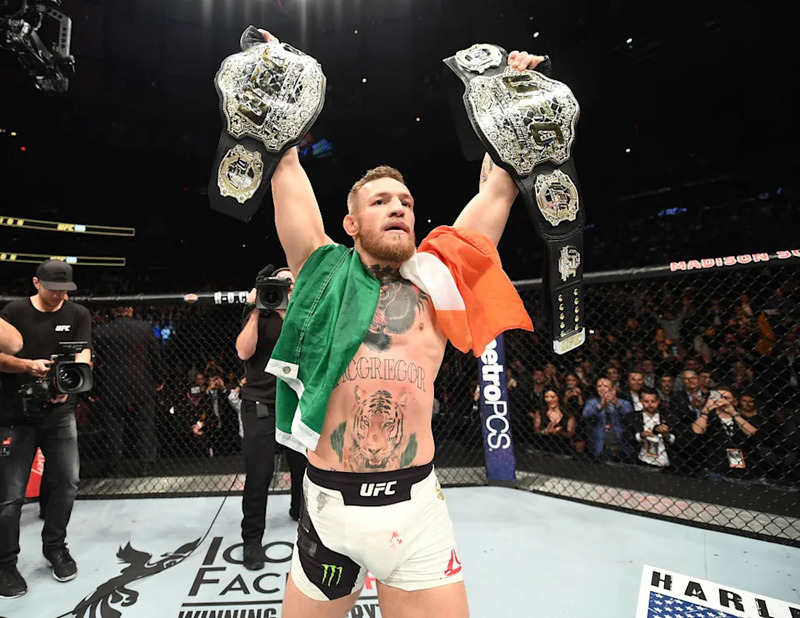
Conor McGregor has accepted an 18-month sanction under the UFC's anti-doping policy after three whereabouts failures — a suspension that the UFC confirmed was retroactive to the date of his final missed test. The ban, announced just days ago, will keep McGregor out of competition through March 20, 2026, effectively shutting down any plans for an early 2026 return.
The violation was classified as "whereabouts failures," meaning McGregor failed to make himself available for scheduled testing rather than testing positive for a banned substance. Under UFC and Combat Sports Anti-Doping rules, three missed tests in a 12-month span count as a full violation and carry a suspension similar to a positive result. McGregor accepted the ruling and declined to challenge it.
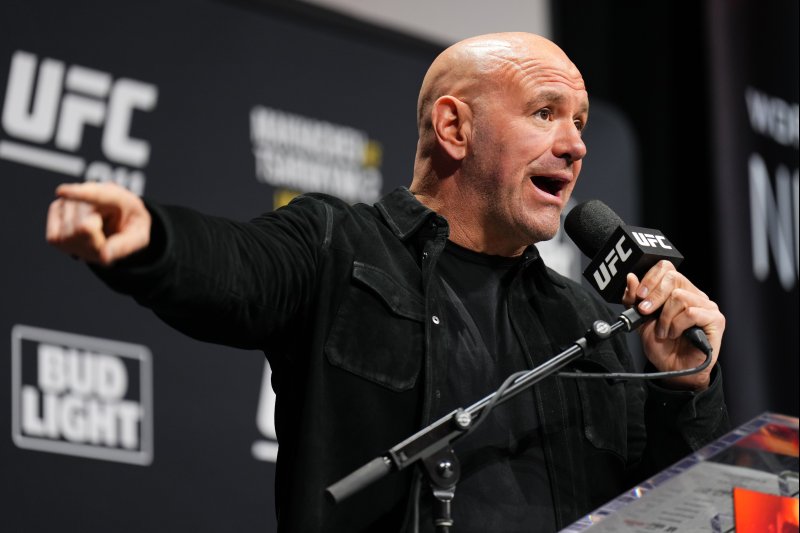
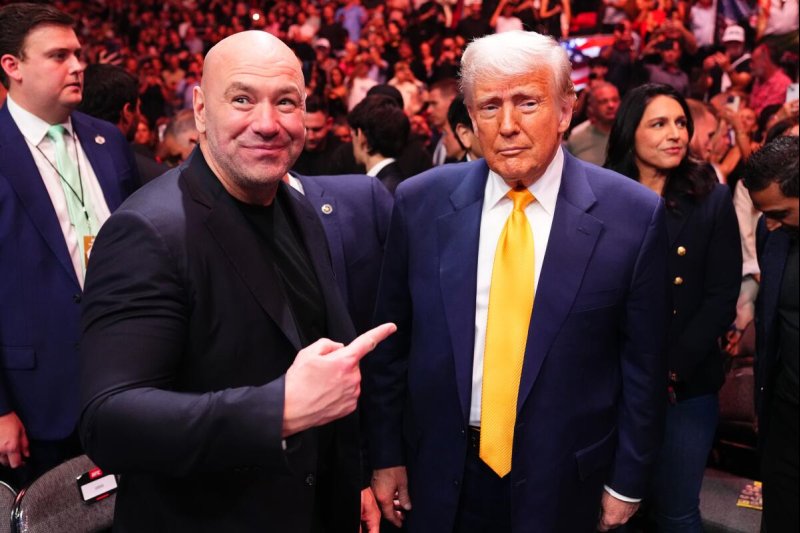
The sanction comes at a time when rumors about a White House UFC event have been swirling. The proposed event, discussed by President Donald Trump and UFC CEO Dana White, is said to be a celebration-style fight card that could take place on June 14, 2026. McGregor had been widely speculated to headline that card — but the new suspension makes his participation impossible until the end of the sanction period. Dana White confirmed that UFC will not finalize bookings for that event until early 2026, leaving McGregor's name off the list for now.
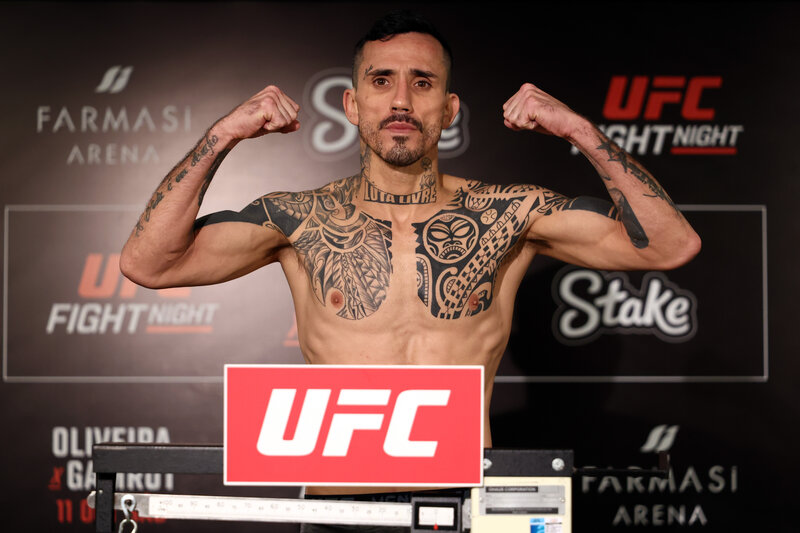
Meanwhile, Charles Oliveira has already stepped forward, saying he wants McGregor as his next opponent — ideally at the White House card. Oliveira called the matchup a "business move," making clear that the fight is about financial opportunity, not personal animosity. "We're talking about a lot of money," Oliveira said when asked about the idea. Given McGregor's draw and Oliveira's fan-friendly style, the potential bout would be one of the biggest gates in UFC history.
The MMA world has reacted with its usual mix of shock, skepticism, and excitement. Some see the suspension as another self-inflicted wound from McGregor, whose career has been a revolving door of triumphs and controversies. Others believe the retroactive timing of the ban leaves room for a "convenient" return right around the UFC's planned summer showcase, fueling conspiracy talk that the promotion is still protecting its biggest cash cow.
For Dana White, the balancing act continues — maintaining regulatory integrity while also keeping the UFC's business momentum strong. The White House card is shaping up to be one of the sport's most high-profile moments ever, with Trump himself reportedly wanting to attend. Whether McGregor is part of that picture will depend entirely on how smoothly his reinstatement process goes after March.
For Charles Oliveira, however, this moment could mark the start of a new chapter. Having recently fought in Rio and reestablished himself among the division's elite, Oliveira's willingness to face McGregor on a massive stage shows how the modern fight game is driven as much by spectacle and profit as it is by rankings and belts. Oliveira's straightforward approach has earned him fans worldwide — and a potential McGregor bout could cement his legacy both competitively and financially.
In the broader picture, McGregor's 18-month suspension underscores how the UFC's evolving anti-doping system continues to shape fighter availability and scheduling. The policy is clear: rules apply equally, even to the sport's most marketable figure. But for the UFC and its fans, one fact remains — there's no replacement for Conor McGregor when it comes to global attention.
As of now, McGregor remains out until spring 2026. If all goes as planned, he'll be eligible just in time for a high-profile comeback — perhaps even the White House fight card that's been generating buzz around the world. Whether it's against Charles Oliveira or another contender, one thing is certain: McGregor's eventual return will once again take over the MMA headlines.


Login with Email or Google
Be the first to comment!