McGregor Claims UFC Contract Void After $7.7B Paramount Deal, February Negotiations Set
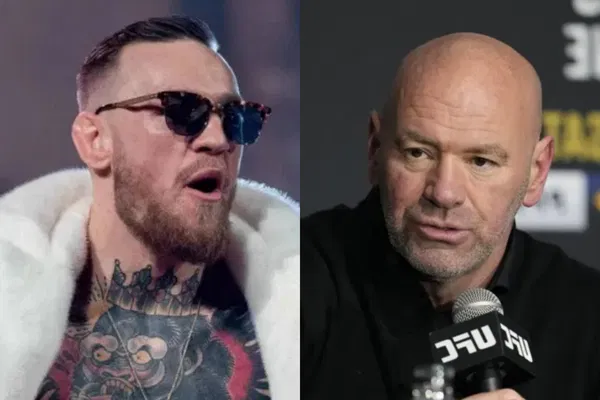
The MMA landscape could be on the verge of a seismic shift as Conor McGregor has declared his UFC contract essentially void following the promotion's massive $7.7 billion media rights deal with Paramount. The former two-division champion's bombshell revelation during a recent live stream has set the stage for what could be the most significant contract negotiations in combat sports history.
The Contract Controversy
McGregor's claims center around a fundamental change in how the UFC operates under its new broadcast agreement. The Irishman explained that his existing contract was structured around pay-per-view sales, a revenue model that has been dramatically altered by the Paramount deal. "My contract, essentially, is void right now because there's no more PPV, whereas my contract was based on PPV sales," McGregor stated during his stream. "I'm the highest-generating PPV fighter of all time. The PPV system is done, I'm due a new contract." This assertion raises fascinating questions about the intersection of broadcast rights and fighter compensation. McGregor's historical success as a pay-per-view draw is undeniable – he holds multiple records for PPV buys and has been the UFC's biggest revenue generator for nearly a decade. If his contract was indeed structured around PPV percentages, the shift to a streaming-focused model could theoretically impact those terms. However, the legal validity of McGregor's claims remains unclear. Contract law typically doesn't allow parties to unilaterally declare agreements void due to changes in business models, unless specific language exists addressing such scenarios. The UFC has not publicly responded to McGregor's statements, leaving room for speculation about whether this represents genuine legal grounds or strategic negotiation tactics.The Financial Landscape
The numbers McGregor cited paint a picture of a UFC flush with new revenue streams. The $7.7 billion Paramount deal represents a massive increase from the promotion's previous broadcast agreements, and McGregor noted that "the company has 4xed its profit." This financial windfall creates an interesting dynamic for contract negotiations. While the UFC now has significantly more revenue, they've also committed to substantial payments to Paramount. How this affects their willingness to restructure high-profile contracts remains to be seen. For McGregor, the timing couldn't be more strategic. As the promotion's biggest draw historically, he has legitimate grounds to argue for a larger piece of the expanded revenue pie. His pay-per-view success has been a cornerstone of the UFC's growth, and adapting his compensation to reflect the new business model makes logical sense from his perspective.February Negotiations Loom
McGregor confirmed that formal negotiations with the UFC will begin in February, expressing keen interest in how discussions will unfold given the promotion's improved financial position. These talks could set precedents for how other fighters' contracts are handled in the post-PPV era. "We're going into negotiations in February, and I'm very interested to see how it goes," McGregor said, suggesting he's approaching the situation with both confidence and curiosity about the UFC's negotiating position. The timing aligns with McGregor's stated goal of returning at the historic UFC White House event on June 14. This gives both parties several months to hammer out terms before what would be one of the most significant fights in combat sports history.The White House Card Stakes
McGregor's return has been linked to the unprecedented UFC White House event, which would mark the first time a professional combat sports event takes place at the presidential residence. The historical significance of this venue cannot be overstated, and McGregor seems acutely aware of the magnitude. "I'm warming up now for the White House fight," McGregor revealed during his stream. "I'm gonna be at it, for sure. It's gonna be insane, the White House card is gonna be." A potential matchup with Michael Chandler remains the most discussed option for McGregor's return. Chandler has been waiting patiently for this opportunity, having coached opposite McGregor on The Ultimate Fighter and maintaining his readiness for the bout. The stylistic matchup presents intriguing possibilities, with Chandler's explosive wrestling and power striking against McGregor's precision counter-punching and psychological warfare. The White House setting adds layers of complexity beyond the athletic competition. The security requirements, media attention, and political implications make this unlike any previous UFC event. For McGregor, who has always thrived in unique, high-pressure environments, the setting could provide the perfect stage for his comeback narrative.McGregor's Preparation and Mindset
Despite the contract uncertainties, McGregor appears focused on his physical preparation. His comments during the stream revealed a fighter committed to controlling what he can while external negotiations unfold. "I'm focusing on what I can control. I'm in the gym. I'm living in the gym, focusing on my health, focusing on my rest, listening to my coaches, following the game plan," McGregor explained. "External noise is non-existent for me. I don't absorb it. You're aware of it, but you don't let it seep in." This mindset represents a potentially evolved McGregor, one who has learned from his extended layoff and injury recovery. The broken leg suffered against Dustin Poirier at UFC 264 in July 2021 marked a turning point in his career, forcing a lengthy rehabilitation process that kept him sidelined for over three years. His approach to preparation now emphasizes fundamentals and discipline over the flashy lifestyle that often dominated headlines during his previous runs. The focus on "living and breathing" the training process suggests a fighter who understands the challenges of returning after such an extended absence.Industry Implications
McGregor's contract situation could have far-reaching implications for other UFC fighters operating under similar PPV-based agreements. If his claims gain legal traction, it might open the door for other athletes to renegotiate their deals based on the changing broadcast landscape. The broader question of fighter compensation in the streaming era remains unresolved. Traditional PPV models provided clear metrics for success and corresponding payouts. The new Paramount deal creates a different revenue structure that may require innovative approaches to fighter compensation. Several other high-profile fighters have reportedly begun restructuring their contracts for higher guaranteed payouts under the new agreement. This suggests the UFC is already adapting to the changed landscape, potentially making McGregor's negotiations part of a larger industry shift rather than an isolated case.The Return Timeline
With negotiations set for February and the White House event planned for June 14, the timeline provides a clear framework for McGregor's return. This schedule allows adequate time for contract resolution, training camp preparation, and the extensive promotional campaign that would inevitably accompany such a significant event. McGregor's confidence in the White House fight being a "done deal, signed, delivered" suggests optimism about reaching an agreement with the UFC. However, contract negotiations of this magnitude rarely proceed smoothly, and both sides will likely need to make significant concessions. The two fights reportedly remaining on McGregor's current deal add another layer of complexity to negotiations. If the UFC maintains that his existing contract remains valid, they could theoretically hold him to those terms. However, the practical reality of McGregor's drawing power gives him considerable leverage in any discussion.Looking Ahead
As February approaches, the MMA world will be watching closely to see how these negotiations unfold. The outcome could reshape not only McGregor's career but also establish new precedents for fighter contracts in the streaming era. The stakes extend beyond individual compensation to fundamental questions about how combat sports adapt to changing media landscapes. McGregor's situation represents a test case for how traditional sports entertainment contracts function in an increasingly digital world. For fans, the ultimate hope is that these negotiations result in McGregor's return to active competition. Regardless of contract details, his comeback at the White House would represent one of the most significant moments in combat sports history, combining athletic competition with unprecedented venue prestige. The February negotiations promise to be as compelling as any fight, with implications that could resonate throughout the industry for years to come. Whether McGregor's claims about his contract hold legal weight remains to be seen, but his leverage as the sport's biggest draw ensures these discussions will be conducted from a position of considerable strength.Related Stories
Dana White Draws Hard Line: No UFC-Boxing Crossover Despite Zuffa Boxing Launch
UFC News
March 18, 2026
Alex Pereira Signs Massive 8-Fight UFC Deal, Says Promotion "Took Really Good Care of Me"
UFC News
March 18, 2026
Dana White Fires Back at Justin Gaethje Over UFC 324 Pay Dispute: "He Never Responded to Our Offer"
UFC News
January 22, 2026
Francis Ngannou Becomes Free Agent After PFL Departure, Confirms MMA Return Plans
MMA
March 7, 2026

Matt Brown Pulls No Punches: 'It's a Garbage Fight' - UFC Veteran Slams Gaethje vs. Pimblett Interim Title Fight
UFC News
January 20, 2026
Scott Coker's $60M MMA Comeback: New League Threatens UFC Dominance in 2027
MMA
May 22, 2026

Login with Email or Google
Be the first to comment!