Matt Brown Pulls No Punches: 'It's a Garbage Fight' - UFC Veteran Slams Gaethje vs. Pimblett Interim Title Fight

"It's a garbage fight."
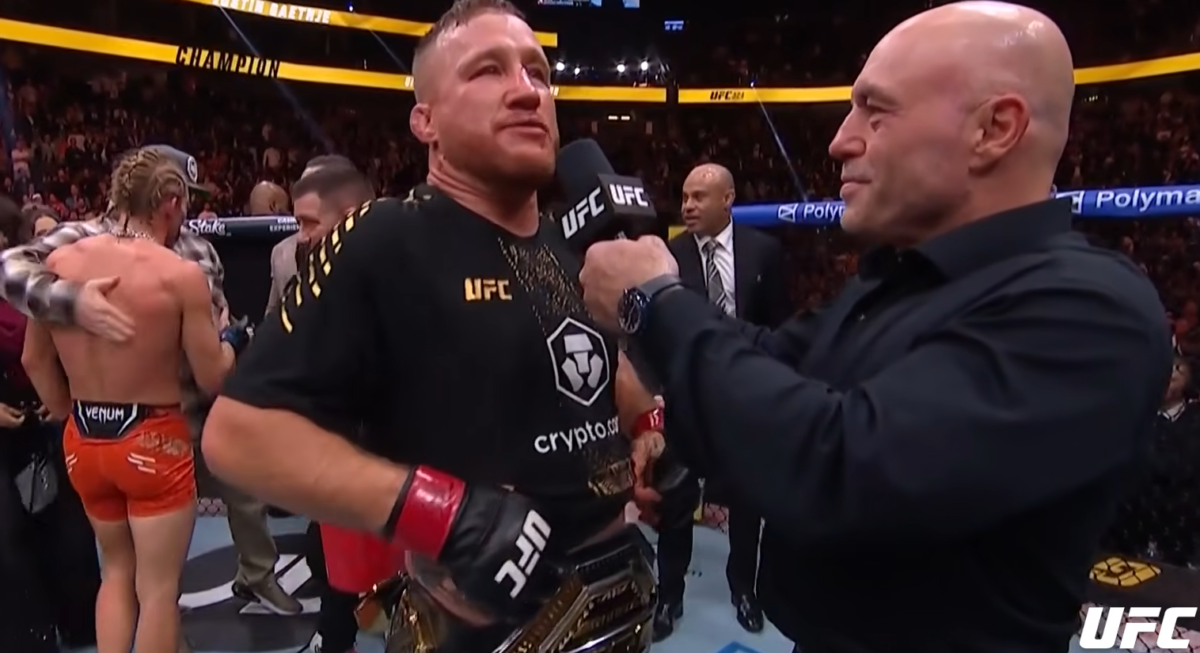
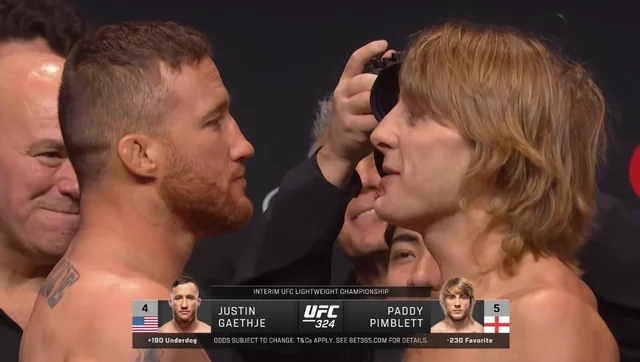
Those four words from UFC veteran Matt Brown cut through the promotional hype surrounding the newly announced interim lightweight championship bout between Justin Gaethje and Paddy Pimblett like a knife through butter. For Brown, a fighter who spent over a decade grinding through the welterweight division, the booking represents everything wrong with modern MMA's entertainment-first approach.
Speaking on "The Fighter vs. The Writer" podcast, Brown didn't mince words about what he sees as a fundamental injustice in the UFC's latest title picture shuffle. While the promotion prepares to crown a new interim champion at UFC 324, Brown believes the real story isn't about the fighters stepping into the octagon—it's about the one left sitting at home.
The Overlooked Contender
At the heart of Brown's frustration lies the treatment of Arman Tsarukyan, the Armenian-born lightweight who has quietly assembled one of the most impressive resumes in the 155-pound division. Tsarukyan's path to title contention hit a devastating roadblock when a fight week injury forced him to withdraw from his planned championship bout against then-champion Islam Makhachev in January 2025.
"It's tragic," Brown said, his voice carrying the weight of someone who understands the brutal realities of professional fighting. "I feel bad for the guy. Apparently he came from a good upbringing and has money so he's not so worried about that shit, but he shouldn't be getting screwed like this."
The injury withdrawal—a common occurrence in MMA—has seemingly relegated Tsarukyan to the sidelines indefinitely. Despite returning in November with a dominant submission victory over Dan Hooker, the former title challenger wasn't even considered when the UFC decided to book an interim championship fight for their new Paramount deal.
Brown's empathy for Tsarukyan's situation runs deeper than mere professional courtesy. It reflects an understanding of the sacrifice and dedication required to reach elite levels in mixed martial arts, only to watch promotional considerations trump sporting merit.
"I feel kind of bad for him. This sucks. You put in all that work, put in all that time, do all the right things and I don't even know why they're so mad that he pulled out of that fight. He got injured. It happens all the time. Guys get injured," Brown continued, his frustration evident.
The Entertainment vs. Sport Debate
For Brown, the Gaethje vs. Pimblett booking crystallizes a fundamental tension that has long existed in modern MMA: the balance between legitimate sporting competition and entertainment value. The veteran welterweight doesn't pull punches when addressing what he sees as the UFC's true priorities.
"I hate to keep rehashing, there's just so many of these issues, that it comes down to the UFC's monopoly control," Brown explained. "I hate to keep rehashing it and acting like I hate the UFC. I love it for the entertainment value, but when you're a guy like Arman Tsarukyan, you're the one getting f*cked because of this system."
This perspective carries particular weight coming from Brown, who experienced firsthand the challenges of navigating a system where rankings don't always determine opportunities. Throughout his career, Brown often found himself in the position of having to prove himself repeatedly, understanding the frustration that comes with being overlooked despite legitimate credentials.
The booking of Gaethje versus Pimblett as an interim title fight, while Tsarukyan—ranked higher than at least one of the participants—sits idle, serves as what Brown sees as undeniable proof of the UFC's entertainment-first approach.
"If it's not as clear as day with this situation as it could ever be that UFC is entertainment and not sport, I don't know what to tell you. It is entertainment. This fight is an entertainment fight. This is not a sport fight," Brown stated bluntly.
The Timing Factor
The timing of this interim title fight adds another layer to Brown's criticism. The bout is set to headline the UFC's first major event under their new seven-year, $7.7 billion deal with Paramount—a massive contract that underscores the promotional and financial pressures surrounding major fight bookings.
Reigning lightweight champion Ilia Topuria's decision to sit out the first part of 2026 due to personal issues created the opportunity for an interim title fight. However, Brown questions whether the most deserving contenders are the ones getting the opportunity.
"No one was begging to see Pimblett and Gaethje," Brown observed, highlighting what he sees as a disconnect between fan demand and promotional booking decisions.
This sentiment reflects a broader frustration among fighters and fans who prioritize meritocracy in title picture development. While both Gaethje and Pimblett bring their own credentials and fan followings to the table, Brown's point centers on whether their combined resume justifies leapfrogging a more highly-ranked contender.
Understanding the Injury Stigma
Brown's defense of Tsarukyan also touches on a sensitive issue within MMA: how fighters who withdraw due to injury are perceived and treated by promotions. The veteran's perspective on this matter comes from years of experience in a sport where injuries are inevitable but often viewed unfavorably by promotional decision-makers.
"I don't know why you punish a guy so much for getting injured. He's probably training because he wants to win," Brown reasoned, addressing what he sees as an unfair stigma attached to fight week withdrawals.
This observation highlights a catch-22 that many fighters face: training hard enough to compete at the highest level while risking injury that could derail career opportunities. Brown's understanding of this dynamic adds credibility to his criticism of how Tsarukyan has been handled.
The veteran's speculation about the nature of Tsarukyan's injury—"I know he got injured at a stupid time, it's probably something silly, and I'd love to hear the actual story of what happened there"—reflects the often mysterious nature of fight week withdrawals and the rumors that inevitably follow.
The Broader Implications
Brown's criticism extends beyond this single booking to address what he sees as systemic issues within the UFC's approach to matchmaking. His reference to the promotion's "monopoly control" speaks to broader concerns about fighter treatment and opportunity distribution in a landscape where one organization holds overwhelming market power.
This perspective resonates with ongoing discussions about fighter rights, fair compensation, and merit-based advancement within MMA. Brown's willingness to speak candidly about these issues, despite his stated love for the entertainment value the UFC provides, demonstrates the complex relationship many fighters and fans have with the sport's leading promotion.
The veteran's analysis also touches on the challenge facing any sport that must balance competitive integrity with entertainment value and commercial success. While the UFC has built its empire on delivering compelling matchups and storylines, critics like Brown argue that this sometimes comes at the expense of pure sporting merit.
Looking Forward
As the MMA world prepares for the Gaethje vs. Pimblett showdown, Brown's words serve as a reminder of the human cost behind promotional decisions. While fight fans will undoubtedly tune in to watch two popular fighters compete for interim gold, the shadow of Tsarukyan's absence looms large for those who prioritize sporting fairness.
Brown's candid assessment of the situation reflects the perspective of someone who has navigated the complexities of professional MMA for over a decade. His willingness to call the fight "garbage" while acknowledging his love for the UFC's entertainment value captures the nuanced relationship many have with modern mixed martial arts.
The veteran's defense of Tsarukyan also highlights the solidarity that often exists among fighters who understand the challenges of building a career in a sport where opportunities can be scarce and timing is everything. Brown's empathy for a fighter from a different weight class and background demonstrates the shared experience that bonds professional mixed martial artists.
As the lightweight division moves forward with its interim championship bout, Matt Brown's words will likely resonate with those who believe that sporting merit should trump promotional considerations. Whether his criticism will influence future booking decisions remains to be seen, but his voice adds to a growing chorus of fighters and fans calling for greater transparency and fairness in title picture development.
For now, Arman Tsarukyan waits, his championship aspirations temporarily derailed by an injury and what Brown sees as a system that prioritizes entertainment over sporting achievement. In Brown's view, that's not just unfortunate—it's tragic.

Login with Email or Google
Be the first to comment!