Eye Pokes Under Fire: Aspinall–Gane Controversy Reignites UFC Debate on Stricter Penalties

The fallout from Tom Aspinall’s eye-poke incident with Ciryl Gane has grown far beyond a single heavyweight fight. What began as an abrupt, frustrating no-contest has evolved into a full-scale debate about fighter safety, rule enforcement, and whether the UFC must adopt harsher penalties to prevent fouls that can end careers in seconds. While Aspinall accuses Gane of intentional wrongdoing, UFC leadership is simultaneously acknowledging that the sport may finally be reaching a breaking point on how eye pokes are handled.
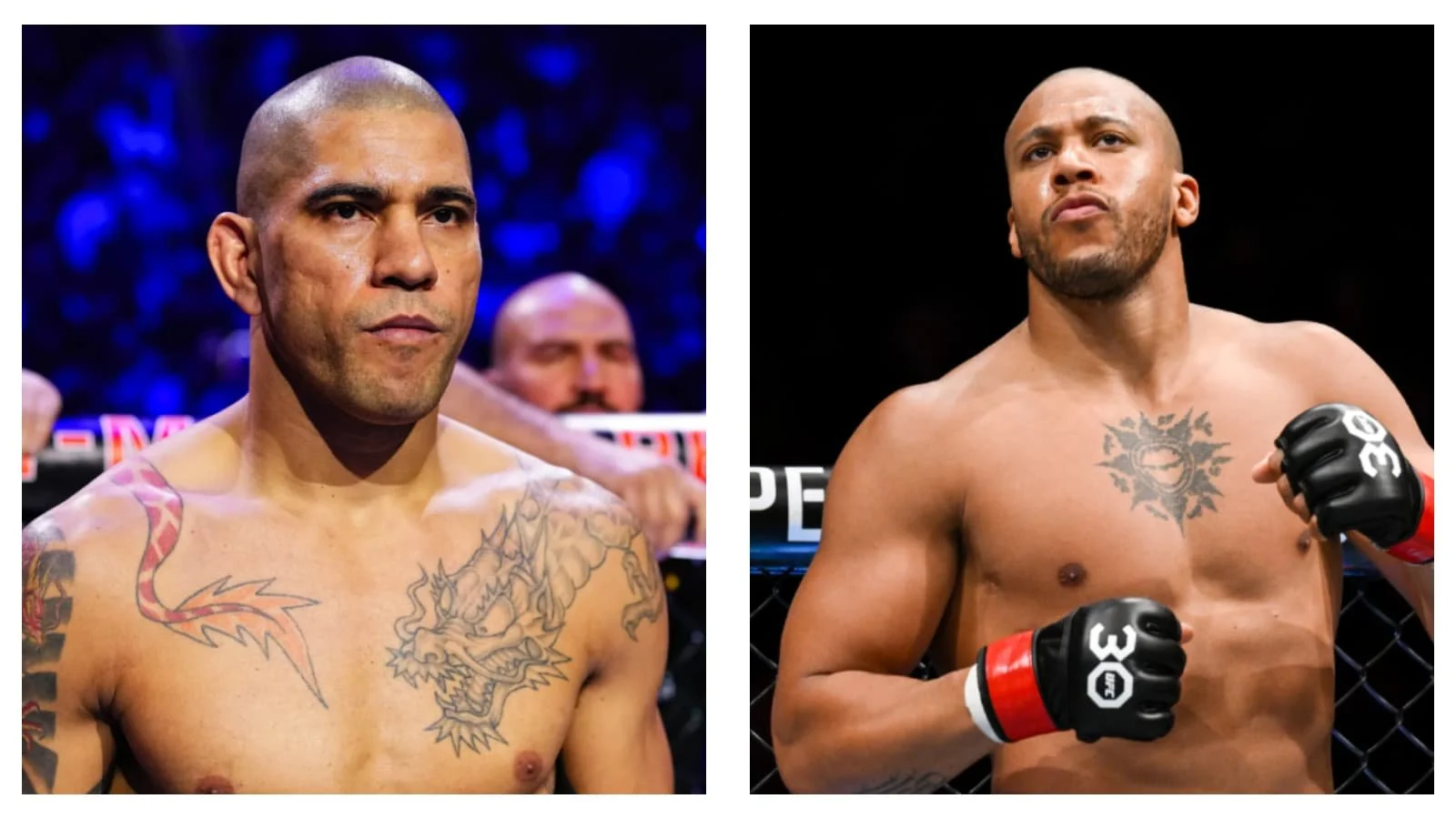
The controversy erupted at UFC 321 during the highly anticipated heavyweight clash between Aspinall and Gane. Fans expected a technical, fast-paced duel between two of the division’s most well-rounded strikers. Instead, the fight ended almost before it began. As the opening minutes unfolded, Gane’s fingers repeatedly extended during exchanges, and one of those moments produced a devastating double-eye poke that instantly changed everything.
Aspinall collapsed backward, clutching his face, immediately telling the referee he couldn’t see. Medics stepped in, but the damage was clear. Even after the allotted recovery time, Aspinall’s vision had not returned enough for him to safely continue. The bout was waved off as a no-contest, and frustration echoed through the arena.
In the days that followed, Aspinall made his opinion unmistakably clear. He didn’t view the fouls as accidental or incidental — he viewed them as intentional. In multiple statements, he accused Gane of “cheating from the very first second,” claiming that Gane extended his fingers deliberately to disrupt rhythm, obscure vision, and halt forward pressure. According to Aspinall, the final poke was simply the worst of several attempts.
The claims quickly split the MMA community. Some argued that in the chaos of heavyweight striking, fingers occasionally slip through guards unintentionally. Others argued that patterns matter — and the pattern in this fight looked far too calculated. Several slow-motion clips circulating across social platforms only fueled the controversy, showing Gane reaching forward with outstretched fingers more than once before the decisive foul.
The severity of the incident also reignited broader questions about the UFC’s handling of eye pokes. It’s not the first time a high-profile fight has been derailed by an extended finger. Careers have been stalled, title eliminators ruined, and fighters left with long-term vision issues. Aspinall’s injury, which doctors later confirmed involved significant abrasion to both eyes, added yet another example to a growing list of preventable outcomes.
UFC leadership responded quickly. In recent comments, Dana White did not mince words about the state of the problem. He acknowledged that equipment — especially glove design — has been discussed for years, but the issue isn’t solely a matter of technology. The real solution, he suggested, may be harsher penalties. White emphasized that accidental fouls will always exist in a sport as dynamic as MMA, but fighters must have a real incentive to avoid dangerous finger extension. That means point deductions must come earlier, warnings must be reduced, and officials may need to adopt a more aggressive stance.
The conversation has now shifted toward whether eye pokes should trigger automatic point losses or even immediate disqualification when intent is suspected. Fighters themselves are beginning to advocate for stronger enforcement. Many argue that losing a fight by DQ is far more fair than losing years of eyesight, momentum, or championship opportunities.
For Aspinall personally, the stakes of the controversy go beyond debate. His immediate future was thrown into uncertainty as doctors evaluated the severity of the damage. While initial reports suggest his long-term vision will recover, the psychological and competitive consequences remain unknown. A heavyweight title contender had his opportunity derailed not by knockout or submission, but by an illegal technique.
As for Ciryl Gane, the controversy leaves a cloud over his performance. He has denied intentional wrongdoing, but public sentiment has not been forgiving. Whether the rematch is scheduled or both men move in different directions, this incident will remain tied to his name for the foreseeable future.
The UFC now sits at a crossroads. Eye pokes are no longer isolated mishaps — they’ve become a recurring problem affecting high-stakes bouts across divisions. Aspinall vs. Gane may ultimately be remembered not for the fight that wasn’t, but for the moment that finally pushed the sport to confront a growing flaw.
If changes come — stricter penalties, revised glove designs, faster referee intervention — this fight could be the catalyst that pushed the conversation from talk to action.




Login with Email or Google
Be the first to comment!