Ex-Champion Carlos Newton Slams UFC’s Business Model as “Not a Sport”
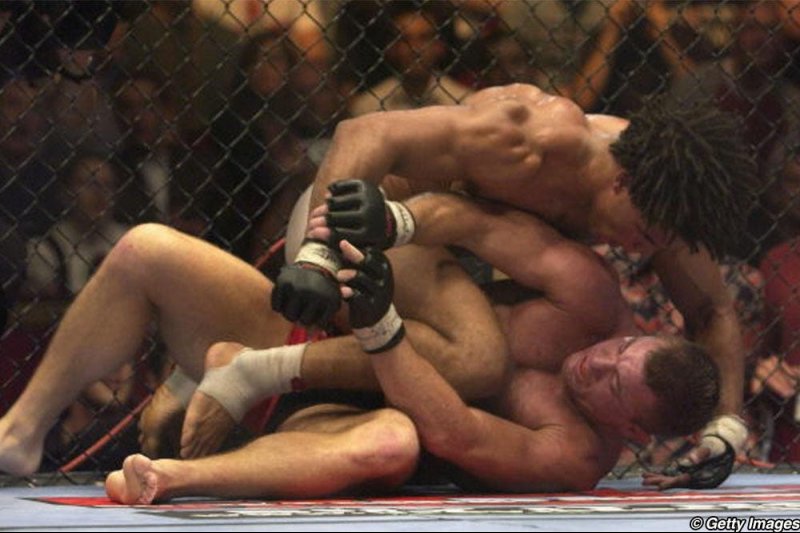
Former UFC welterweight titleholder Carlos Newton delivered a scathing critique of MMA's dominant promotion during a recent hearing before the Nevada State Athletic Commission (NSAC), declaring that the UFC’s structure fails to meet the standards of a true sporting competition. At the commission’s monthly meeting, Newton spoke about fighter-rights issues, contract limitations and title control, calling the system “a sham and a fraud on the public.”
Newton referenced his participation in high-profile antitrust litigation against the MMA organization and compared the sport’s regulatory framework to that of boxing, where historical legislation such as the Ali Act provides supervision over promotional practices. He highlighted how, in MMA, athletes are bound to exclusive contracts, promoters control championship belts and ranking systems, and fighters have no path to compete under independent sanctioning or for titles outside the promotion’s control.
“Professional sport should allow athletes to compete freely and earn based on market value,” Newton stated. “In MMA right now, fighters compete for the promoter. That is unfair. It is not a sport.” He proposed reforms including the creation of independent sanctioning bodies, bans on exclusive promotional contracts, and transparent oversight similar to that imposed on boxing organizations for decades.
During the hearing, Newton underscored how managers in MMA frequently act on behalf of the promoter rather than the fighter, eroding competitive balance and athlete bargaining power. He warned that one-promoter dominance combined with exclusive contracts threatens the integrity of the sport and disincentivizes fairness.
His comments come as MMA faces increased scrutiny by regulators, especially in jurisdictions like Nevada, which is considering whether to amend state law to apply boxing-style oversight to modern combat sports. Advocates for change believe that Newton’s spotlight on contract practices and title control could intensify regulatory pressure on the promotion to adopt reforms.
Newton did not name all parties directly, but his criticism was unmistakably aimed at the UFC. He argued that until the system allows fighters to pursue titles outside of a single promoter’s ecosystem and ensures that athletes retain true competitive freedom, the sport will remain fundamentally compromised.
In the aftermath, regulators and stakeholders will need to decide whether the issues Newton raised are isolated complaints or represent broader systemic problems within MMA’s business infrastructure. Either way, his remarks underscore a growing movement of athlete advocacy seeking to transform how combat sports are governed and how fighters are compensated.
Disclaimer: This article is based on publicly available testimony and commentary from Carlos Newton during a regulatory hearing and focuses on factual statements made during that session.



Login with Email or Google
Be the first to comment!