Dana White Unveils Revolutionary Boxing Ring Design and Rule Changes for Zuffa Boxing
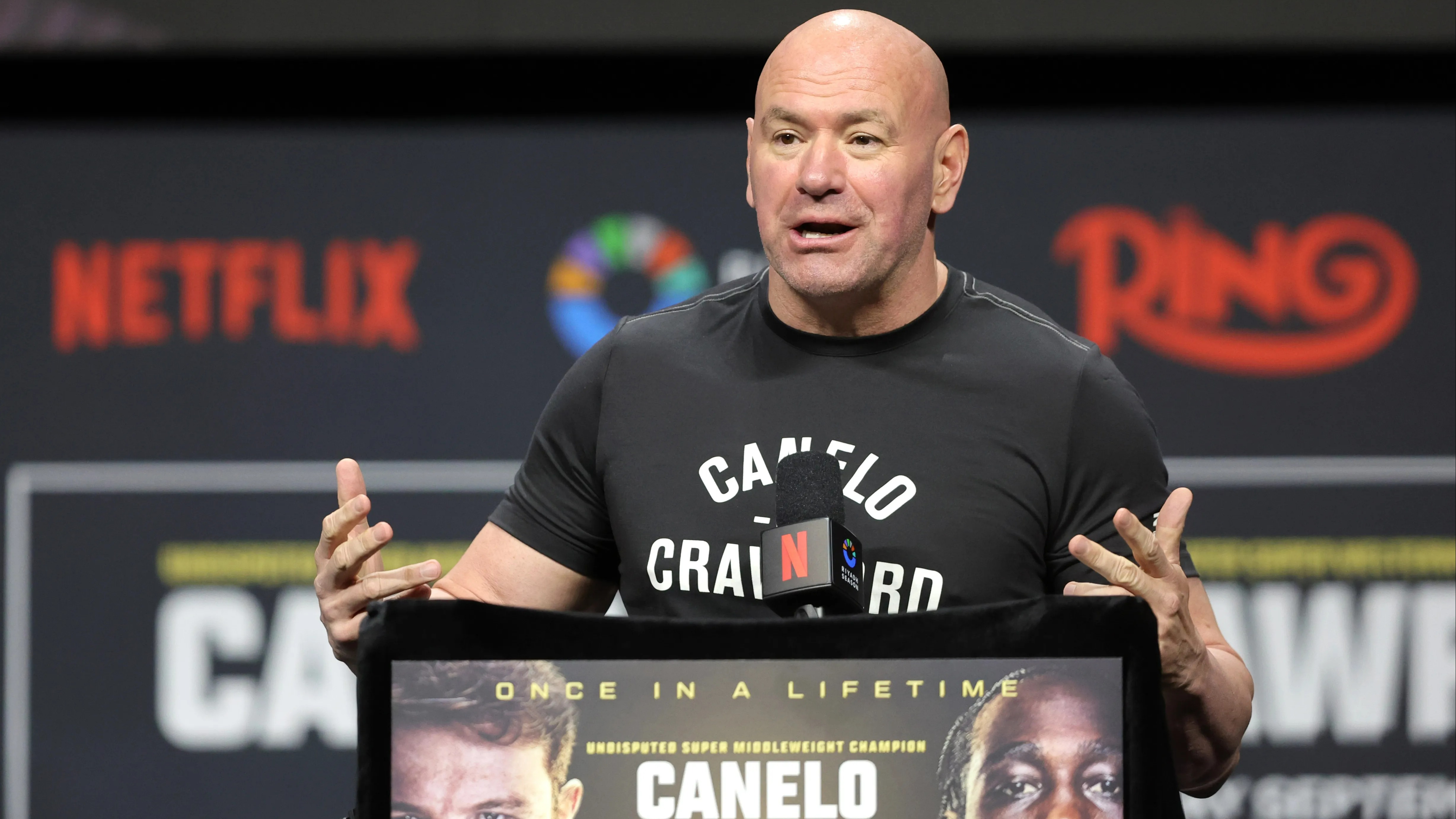
UFC CEO Dana White has unveiled his most ambitious plans yet for revolutionizing professional boxing, revealing that Zuffa Boxing will introduce a completely redesigned ring and potentially implement rule changes that could fundamentally alter how the sport is conducted when the promotion launches in 2026.
Speaking to CBS Sports following the announcement of Zuffa Boxing's multi-year television partnership with Paramount+ and CBS, White detailed his comprehensive vision for transforming what he describes as a "dying sport" through innovation and a complete structural overhaul.
"We're going to start from the ground up," White declared during the wide-ranging interview. "We are already working on a new design for the ring. That meeting was yesterday, too. We had a huge design meeting for a new boxing ring."
The revelation about ring design modifications represents just one element of White's broader strategy to differentiate Zuffa Boxing from traditional promotional companies. While specific details about the ring innovations remain under wraps, White's track record of implementing visual and technological enhancements in UFC events suggests the changes could be substantial and precedent-setting.
Beyond physical modifications to the boxing environment, White has also opened the door to potentially altering the rules of boxing itself - a prospect that would represent the most significant changes to the sport's fundamental structure in decades.
"We will bring lots of different elements to the production and to the sport, and yes, possibly even rule changes," White explained. "I wouldn't say no to that. So, for all the guys that want to compete with me, I think way bigger than you guys do."
This ambitious approach aligns with White's established philosophy of challenging conventional wisdom in combat sports. His success in transforming mixed martial arts from a niche spectacle into a mainstream entertainment phenomenon has been built on a foundation of constant innovation and willingness to break from traditional promotional models.
The Zuffa Boxing venture represents a collaboration between three major entertainment figures: White himself, WWE President Nick Khan, and Turki Alalshikh, chairman of Saudi Arabia's General Entertainment Authority. This partnership brings together expertise from professional wrestling entertainment, mixed martial arts promotion, and Middle Eastern sports investment - a combination that could provide both the creative vision and financial resources necessary to implement White's revolutionary concepts.
The recent television deal with Paramount+ and CBS removes a significant obstacle that had been preventing Zuffa Boxing from moving forward with its plans. With broadcast distribution secured, White can now focus on the operational and creative elements that will define the new promotion's identity.
However, perhaps the most controversial aspect of White's boxing vision involves his proposed modifications to the Muhammad Ali Act, federal legislation enacted in 2000 to protect professional boxers from exploitation and conflicts of interest. White's approach to this sensitive legal territory has generated significant debate within the boxing community.
"The Muhammad Ali Act doesn't allow me to have my own fighters under contract and put on my own fights," White said. "So we're working on that too. We are talking to lawmakers and trying to modify the Muhammad Ali Act."
This statement has sparked immediate concern among boxing traditionalists who view the Muhammad Ali Act as crucial protection for fighters against predatory promotional practices. Critics argue that modifying the legislation could potentially open the door for promotional companies to exploit fighters through exclusive contracts that limit their earning potential and career flexibility.
The Muhammad Ali Act was specifically designed to prevent the type of monopolistic control that historically plagued professional boxing. By requiring promoters to act in fighters' best interests and providing transparency in financial arrangements, the legislation has served as a protective barrier between fighters and potentially exploitative business practices.
White's desire to modify this legislation reflects his UFC business model, where fighters compete under exclusive contracts with the promotion. While this approach has proven financially successful for the UFC, boxing has traditionally operated under a different structure where fighters maintain more autonomy over their careers and can work with multiple promoters.
Industry veterans have expressed mixed reactions to White's proposals. Some see his innovative approach as exactly what boxing needs to revitalize interest in the sport, while others worry that fundamental changes could destroy the traditions and competitive balance that have defined boxing for over a century.
The timing of White's announcement coincides with boxing's ongoing struggle to maintain mainstream relevance in an increasingly crowded entertainment landscape. With declining pay-per-view numbers for all but the biggest championship fights, many industry insiders acknowledge that the sport needs new approaches to attract younger audiences and generate sustainable revenue streams.
White's track record with the UFC provides both encouragement and caution for boxing fans. His promotion has undeniably succeeded in creating a global entertainment phenomenon that has elevated mixed martial arts to unprecedented heights of popularity and profitability. However, critics point to ongoing concerns about fighter pay, healthcare coverage, and long-term career security in the UFC model.
The proposed ring modifications represent perhaps the most visually striking element of White's boxing vision. While details remain confidential, industry speculation suggests the changes could involve everything from altered dimensions and materials to integrated technology that enhances both fighter safety and viewer experience.
Such modifications would require approval from boxing's various governing bodies, a process that historically moves slowly and resists dramatic changes. White's success in implementing his vision may depend largely on his ability to navigate the complex political landscape of professional boxing's regulatory environment.
The championship system represents another area where White has hinted at significant changes. Boxing's current structure, with multiple sanctioning bodies and fractured title recognition, has long been criticized for confusing casual fans and diluting the significance of championship victories.
"We're going to have our own belt system," White indicated. "We're not going to recognize any of the sanctioning bodies. We're going to create our own system."
This approach would essentially establish Zuffa Boxing as an independent entity operating outside the traditional framework of professional boxing. While this could provide more control over matchmaking and title progression, it also risks creating further fragmentation in an already divided sport.
The financial implications of White's boxing venture extend beyond immediate promotional concerns. His partnership with Saudi Arabia's entertainment authority provides access to the significant funding that would be necessary to attract top-tier talent and implement large-scale changes to boxing's operational structure.
However, the involvement of Saudi investment has also generated controversy, with critics raising concerns about sportswashing and the kingdom's human rights record. White has dismissed these concerns, focusing instead on the opportunity to create what he sees as a more entertaining and profitable version of professional boxing.
The potential impact on existing boxing promotions cannot be understated. Major companies like Top Rank, Golden Boy Promotions, and Matchroom Boxing have built their businesses around the current system, and White's disruptive approach could force them to adapt or risk being marginalized in an evolving marketplace.
Fighter reactions to White's plans have been cautiously optimistic, with many expressing interest in the potential for increased earnings and exposure that a UFC-style promotional model might provide. However, others have voiced concerns about losing the independence and negotiating flexibility that has traditionally characterized professional boxing careers.
The regulatory challenges facing Zuffa Boxing extend beyond the Muhammad Ali Act to include state athletic commissions, international boxing federations, and sanctioning bodies that currently govern the sport. White's success will largely depend on his ability to either work within these existing structures or create compelling alternatives that attract fighters and fans away from traditional boxing.
As Zuffa Boxing moves toward its 2026 debut, the combat sports world will be watching to see whether Dana White's vision for boxing's future can deliver the same transformative success he achieved in mixed martial arts. With innovative ring designs, potential rule changes, and a complete restructuring of boxing's championship system on the horizon, the stage is set for one of the most significant disruptions in boxing history.
The ultimate test will be whether fighters, fans, and the broader boxing community embrace White's revolutionary approach or remain loyal to the sport's traditional foundations. The answer to that question could determine not just the fate of Zuffa Boxing, but the future direction of professional boxing itself.


Login with Email or Google
Be the first to comment!