Dana White Responds to Eye-Poke Fiasco: “Who Gives a Whatever?”
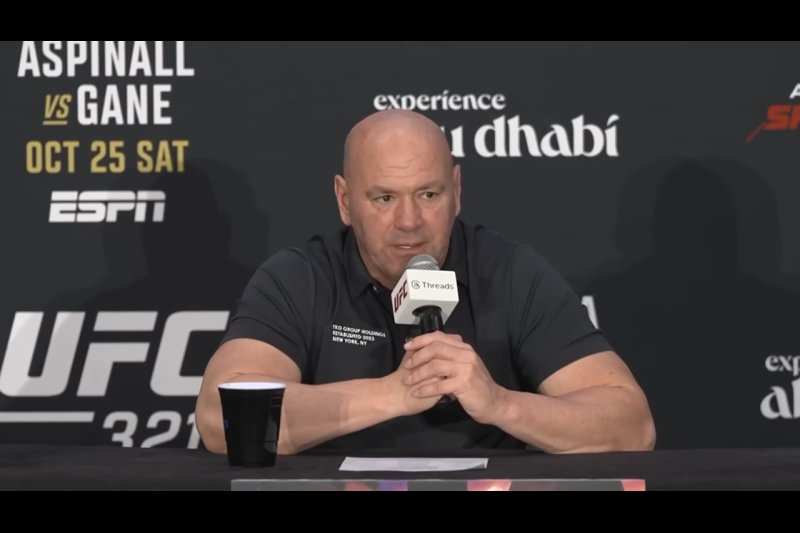
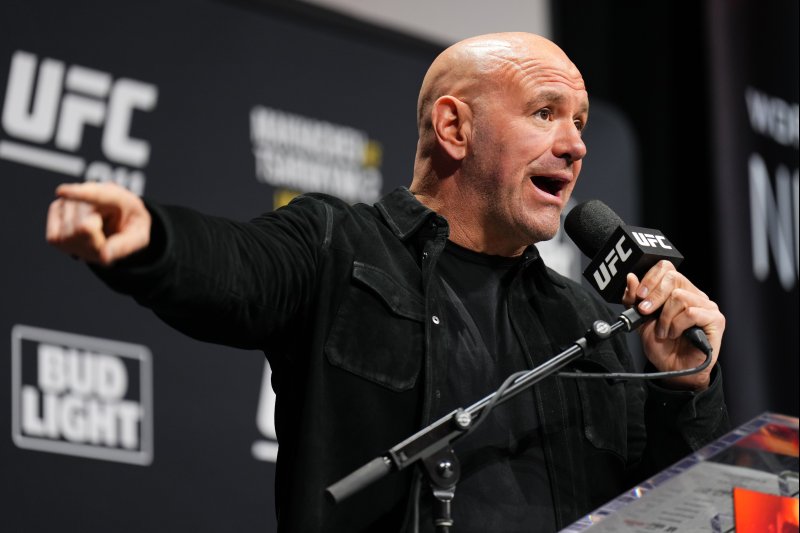
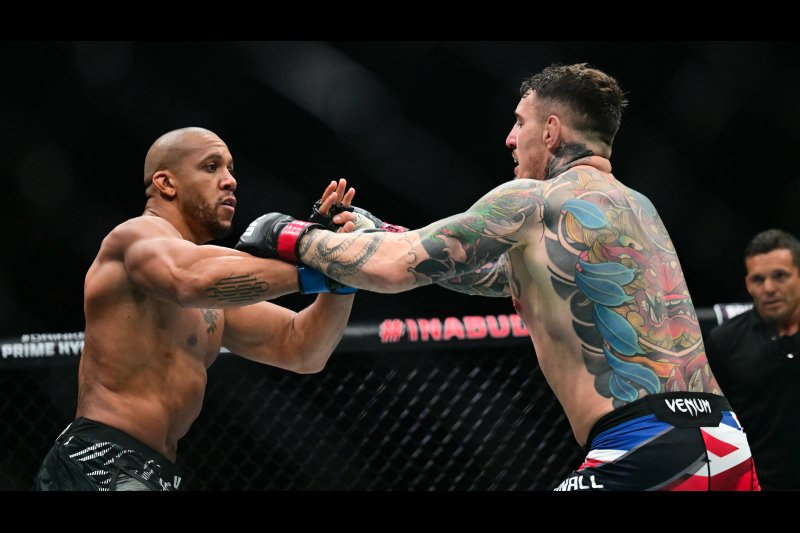
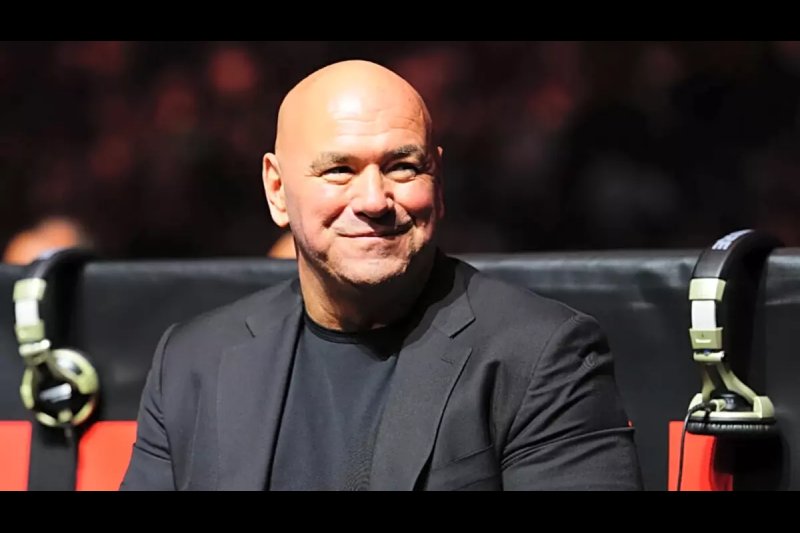
In the aftermath of the major bout cancellation that shook UFC 321, Dana White offered blunt remarks that left fans and fighters alike debating where the promotion stands on fighter safety and accountability. After the heavyweight title fight ended in a no-contest when a severe eye poke rendered champion Tom Aspinall unable to continue, White was asked whether the incident demands reform or stricter rules. His response was harshly direct: “Who gives a s–? What are you going to do?”
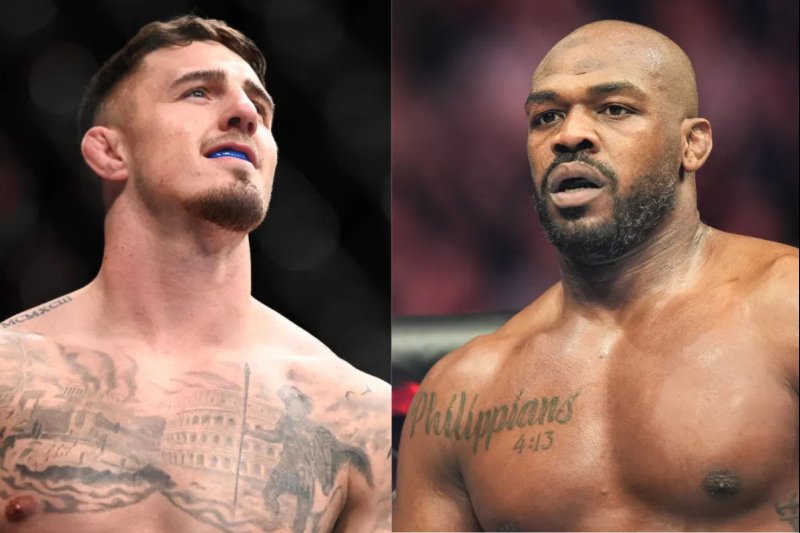
The question was met with stunned silence in the press room. White went on to acknowledge that the outcome was disappointing for everyone involved, calling it a “great showing, shitty ending.” He praised the athletes’ performances but also emphasized that if a fighter feels unable to see or defend himself properly, there’s no mandate from the UFC to force him to continue. “I can’t make people fight,” White said. “Only Tom knows what happened. Could he see? Couldn’t he see? Could he continue? Only he knows that.”
White’s remarks stood out not only for their bluntness but also for what they did not address: concrete steps to prevent future eye-poke incidents or to penalize fouls of this nature beyond standard in-fight warnings. His tone suggested that such accidents are an unfortunate part of the sport rather than a systemic problem that needs immediate remedy. He added that while a rematch between Aspinall and challenger Ciryl Gane makes sense, “anything can happen,” reinforcing the idea that nothing is locked in until contracts are signed and medicals cleared.
The fighter-safety advocates took issue with that stance. Many pointed out that eye pokes are neither rare nor unavoidable—they have long been recognized as a recurring fault in MMA. Given the stakes of a heavyweight title fight and the global audience, many argued that stronger preventive measures are warranted. White’s words, however, indicated that the UFC’s position remains reactive rather than proactive: injuries happen, and it’s mostly up to the athlete to cope.
Still, the message from White carries weight simply because of his role. If the UFC chief is indicating a hands-off approach to such incidents, it signals to the industry and the athletes where priorities lie. Fighter safety might remain a talking point, but the enforcement and policy consequences appear unresolved. For fans, the ending at UFC 321 will be remembered as much for the injury as for the fight that never truly happened. The spotlight now shifts to the rematch but also to how the UFC will handle the growing pressure around fouls that stop fights before they begin. White’s comments give an early indication that while the promotion will move on, the discussion about safety and accountability is far from over.

Login with Email or Google
Be the first to comment!