Dana White Says Dislike May Have Shaped Josh Hokit's UFC Matchups
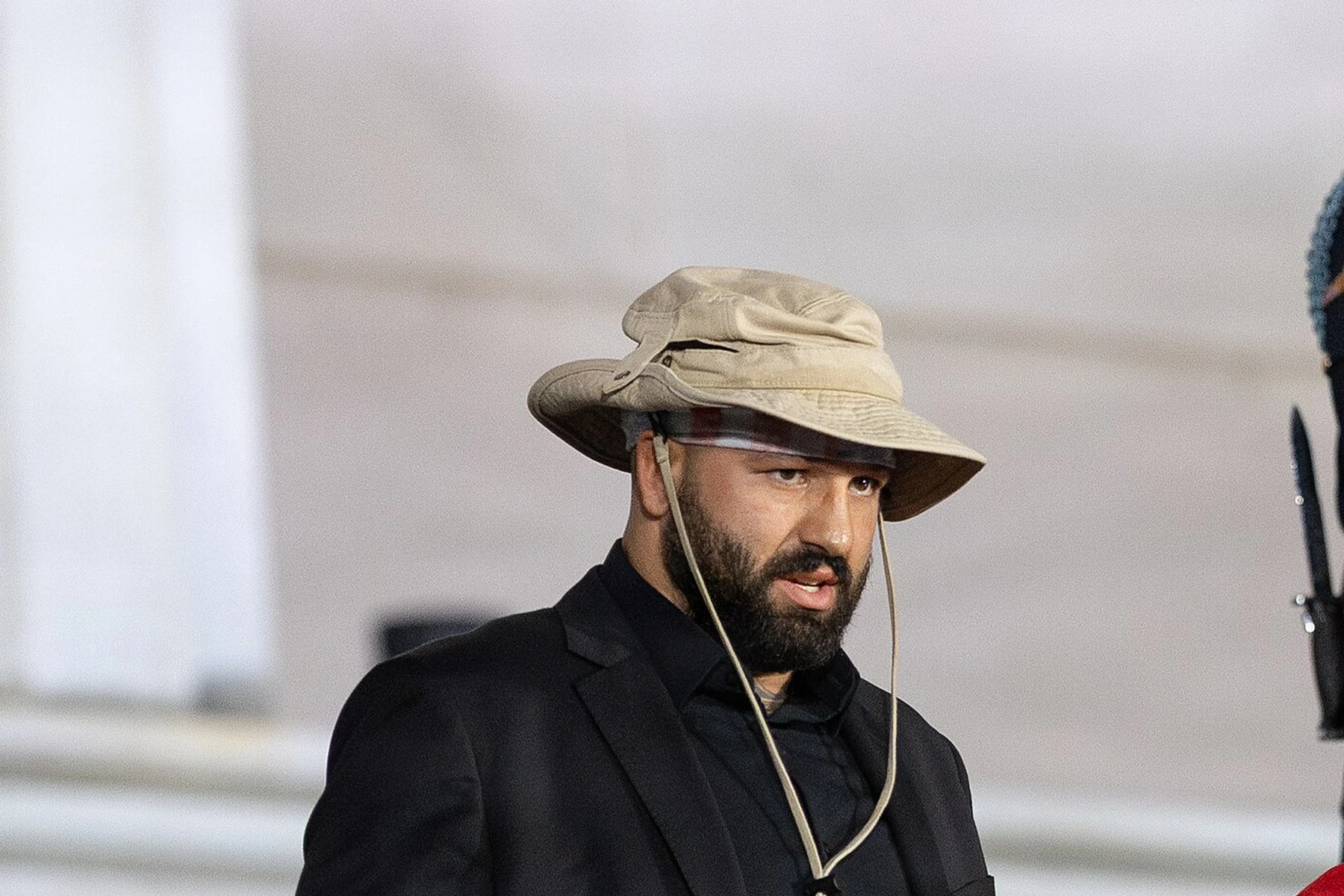
Image credit: U.S. Army photo by Sgt. 1st Class Brittany Primavera, public domain (cropped)
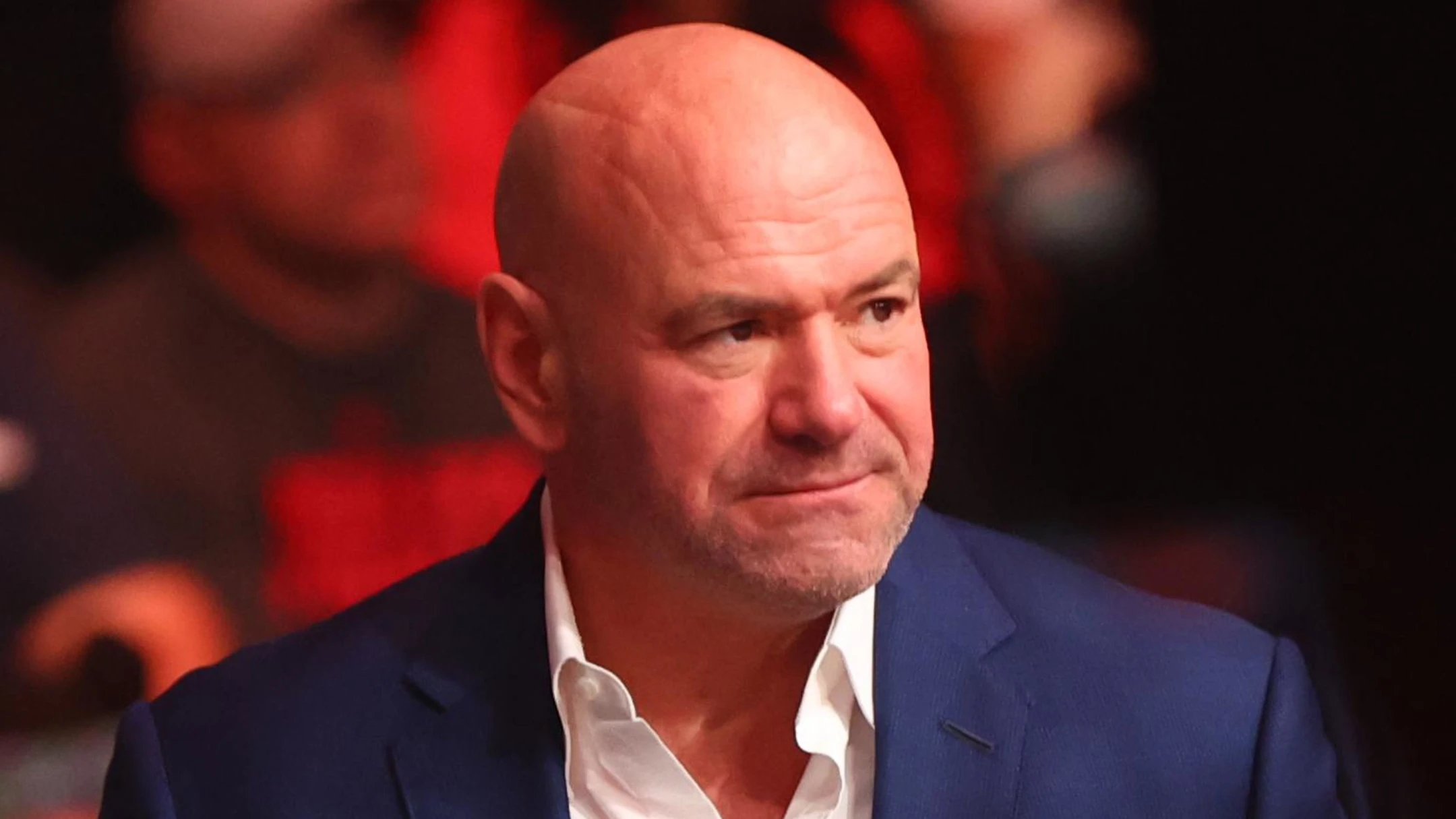
Dana White has put an unusually blunt explanation on Josh Hokit's rapid climb through the UFC heavyweight division: the boss did not like what Hokit was saying, so he may have made the path harder.
The plan did not slow Hokit down. It helped build the record that now has him challenging Ciryl Gane for the heavyweight title at UFC 334.
"Hokit was the fight to make," White said on The Jim Rome Show. "Hokit's been overlooked the entire time, not only by the fans and the media, but by me. I didn't like some of the things he said, so I might have threw some tough guys at him, and he passed every test."
White finished the thought by saying that, whether people like Hokit or hate him, the unbeaten contender fought his way to the top and belongs in the title fight.
White's wording matters
There is a difference between White saying he "might have" influenced Hokit's matchups and documenting a direct order to punish a fighter. He did not identify a specific booking as retaliation, and he did not explain how much control his personal reaction had over each decision.
Still, the connection came from White himself. He tied his dislike of Hokit's comments to the possibility that the promotion gave him difficult opponents. That is worth taking seriously in a sport where one company controls the rankings, the matchups and the title opportunities.
Hard fights are not unusual for a prospect who wants to move quickly. Hokit's matchmaking also made competitive sense. Curtis Blaydes was an established contender who could test his wrestling, pace and durability. Derrick Lewis brought elite knockout power and years of experience against ranked heavyweights.
The uncomfortable part is the stated motive. A demanding matchup can be a fair sporting test. It looks different when the promoter says personal dislike may have helped put that test on the calendar.
Hokit kept turning obstacles into leverage
Hokit is 10-0 as a professional and 4-0 in the UFC. His official UFC record lists six knockout wins and three submissions, with only one fight reaching the scorecards.
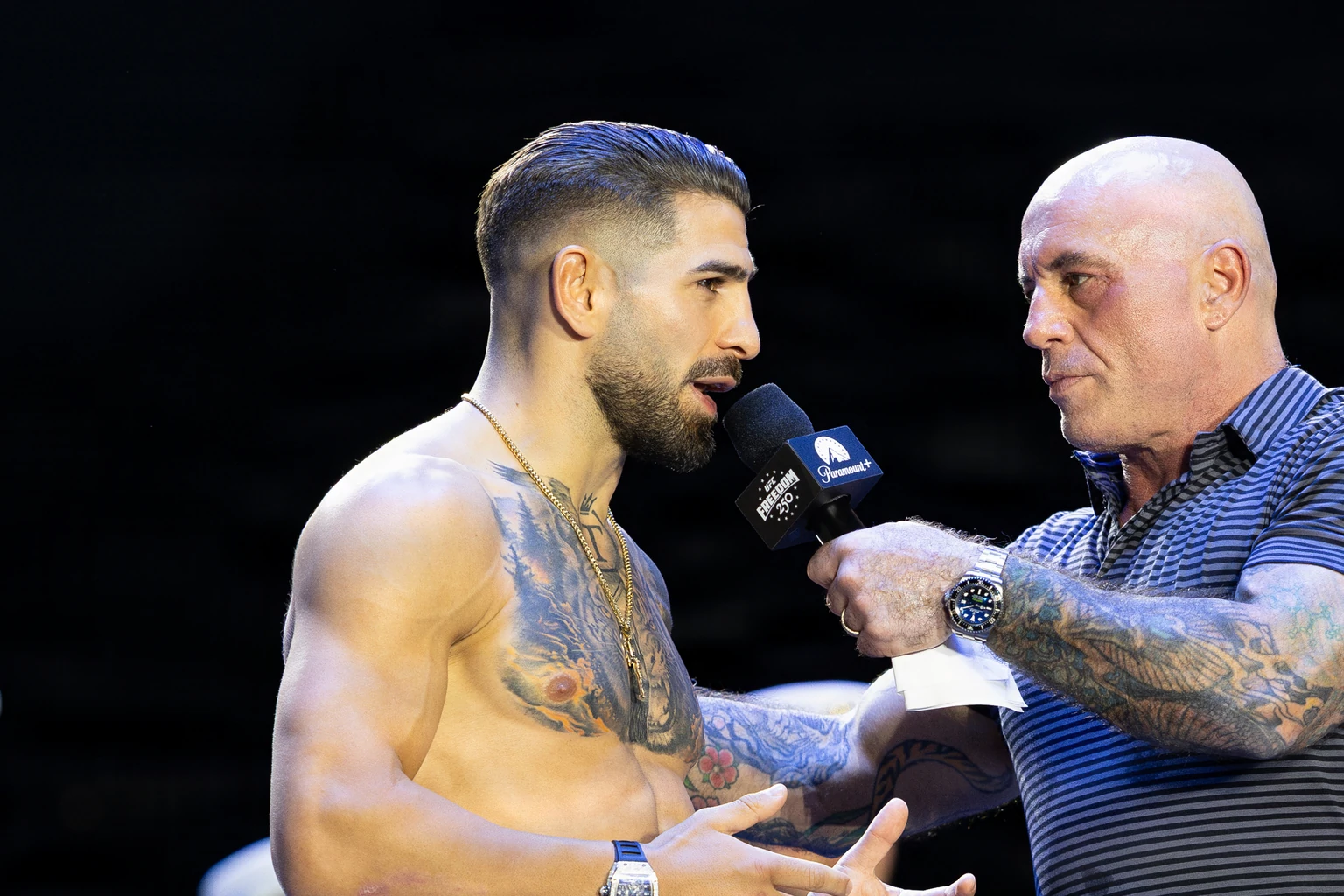
His 2026 run began with a first-round stoppage of Denzel Freeman. He then won a unanimous decision over Blaydes in April, a fight the UFC awarded both Fight of the Night and a performance bonus. Ten weeks later, Hokit stopped Lewis in the second round at UFC Freedom 250.
That win over Blaydes was the point when the matchmaking stopped looking premature. Hokit was exhausted and taking damage, but he kept moving forward and landed the more consequential offense. The Lewis fight answered the next question: he could turn a major opportunity into a finish rather than merely survive it.
White can call those opponents tests, punishment or both. The results belong to Hokit. Every step that was supposed to expose a weakness instead added another recognizable name to his resume.
The hardest test is the one he wanted
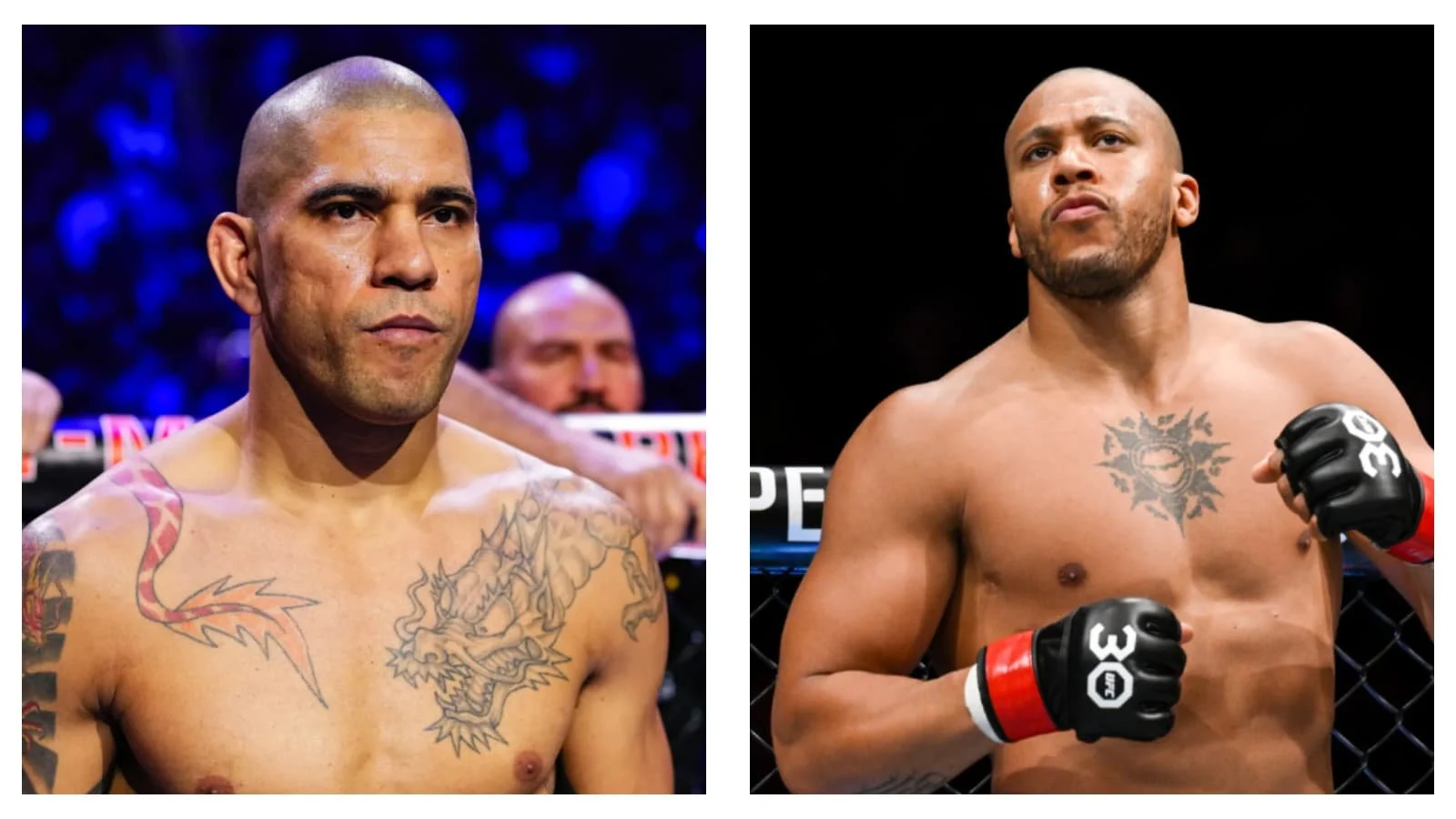
Hokit now faces Gane on November 14 at Madison Square Garden. The UFC lists Gane at 14-2 and Hokit as the No. 4 heavyweight contender. The champion has the cleaner long-range striking game and far more five-round experience. Hokit brings pressure, wrestling and the willingness to turn a technical fight into something rough.
The title booking also changes the meaning of White's admission. This is no longer a prospect complaining that the promotion moved him too quickly. White is conceding that his own reaction may have shaped the route, then acknowledging that Hokit cleared it.
Hokit still has to beat the best heavyweight he has faced. Nothing White said changes that. It does explain how the UFC's most polarizing new contender arrived at Madison Square Garden: the company kept raising the difficulty, and Hokit kept winning.
Sources
Found an error? Send a correction and include this article’s URL.