Dana White Fires Back at Justin Gaethje Over UFC 324 Pay Dispute: "He Never Responded to Our Offer"
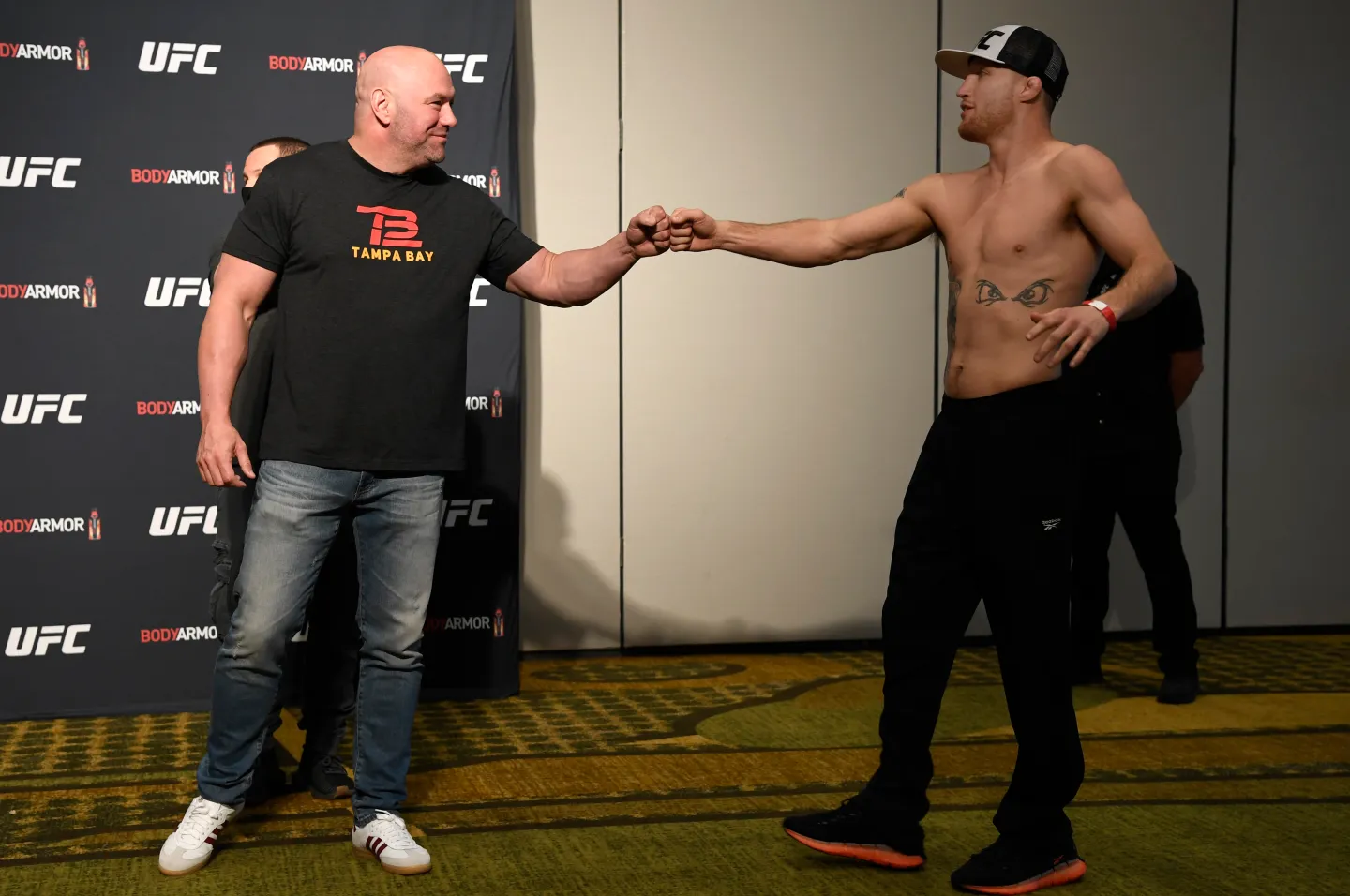
The UFC's landmark transition to Paramount has been marked by promises of increased fighter compensation, but a public disagreement between UFC CEO Dana White and veteran lightweight contender Justin Gaethje has highlighted ongoing tensions about whether those promises are translating into reality. The dispute centers on Gaethje's claims that he's "not getting one dollar more" for headlining UFC 324 despite the promotion's massive $7.7 billion broadcast deal with Paramount.
The News
During UFC 324 media day, Justin Gaethje directly challenged the narrative that fighters are seeing immediate benefits from the UFC's new seven-year broadcast partnership with Paramount. The former interim lightweight champion stated unequivocally that his compensation for the historic first UFC event on Paramount remained unchanged from what he would have received under the previous ESPN deal.
"I'm not getting one dollar more [for UFC 324] than I would have if this deal did not happen," Gaethje declared, adding frustration that his impressive collection of 14 post-fight bonuses still hasn't reached the $1 million mark.
White's response came swiftly during an appearance on The Pat McAfee Show, where he countered Gaethje's claims with a revelation that painted a different picture of the situation.
"Gaethje, without getting into all that stuff, Gaethje was offered more money, and Gaethje never responded," White stated. "[But] we're good [with Gaethje]."
This exchange represents more than a simple he-said, he-said scenario – it's emblematic of the broader questions surrounding fighter compensation in the UFC's new era and the communication challenges between the promotion and its athletes.
The Context
To understand the significance of this dispute, it's essential to examine the broader context of the UFC's transition to Paramount and the promises that accompanied it. The seven-year, $7.7 billion deal represents more than double what ESPN was paying under the previous broadcast agreement, marking a seismic shift in the UFC's media landscape.
White has consistently positioned this deal as a game-changer for fighter compensation. The UFC president has repeatedly stated that the increased revenue would flow down to the athletes, with higher base salaries and increased post-fight bonuses on the horizon. The current $50,000 performance bonus structure, which has remained static for years, was expected to see significant increases.
Perhaps more importantly, the Paramount deal fundamentally changes the UFC's revenue model. Under the ESPN partnership, pay-per-view sales generated additional revenue that could be shared with certain high-profile fighters through performance-based bonuses. With UFC events now streaming on Paramount+ at no additional cost to subscribers, this revenue stream disappears, requiring the promotion to develop new compensation models.
White addressed this challenge directly, claiming the UFC has developed sophisticated analytics to replicate pay-per-view-based compensation: "We completely have it dialed in. We've got really smart kids, and they can get down within single digits on how close it would be to pay them like it was a pay-per-view."
Gaethje's position as the critic in this scenario carries particular weight. The Arizona native has established himself as one of the most exciting and reliable performers in the lightweight division, earning post-fight bonuses at an unprecedented rate. His 14 bonuses represent one of the highest totals in UFC history, making him exactly the type of fighter who should benefit from any increase in compensation structures.
The Analysis
This public disagreement reveals several critical issues within the UFC's evolving business model and its relationship with fighters.
First, there appears to be a significant communication breakdown between the UFC and one of its most valuable assets. If White's claim is accurate that Gaethje was offered increased compensation but never responded, it suggests either a failure in the UFC's communication systems or a fundamental misunderstanding about the terms being offered. Given Gaethje's business acumen and the stakes involved in headlining the first Paramount card, it seems unlikely he would simply ignore a legitimate offer for increased pay.
The timing of this dispute is particularly significant. UFC 324 represents the official launch of the Paramount era, making it a showcase event that should theoretically demonstrate the benefits of the new partnership. Having the main event fighter publicly stating he's receiving no additional compensation undermines the promotional narrative around the deal's benefits for athletes.
White's measured response – acknowledging the offer while maintaining that the relationship remains positive – suggests the UFC is trying to manage this situation carefully. The promotion cannot afford to have its marquee fighters publicly contradicting its messaging about improved compensation, particularly during such a high-profile transition period.
The broader implications extend beyond just Gaethje's individual situation. Other UFC fighters are undoubtedly watching this exchange closely, looking for signals about whether the promised improvements in compensation are materializing. If established stars like Gaethje aren't seeing immediate benefits, it raises questions about the timeline and scope of the UFC's compensation improvements.
The Implications
For Gaethje personally, this public dispute puts him in a delicate position. While he's established enough in his career to speak candidly about compensation issues, maintaining positive relationships with UFC management remains crucial for securing favorable matchups and opportunities. His willingness to challenge White publicly demonstrates either significant confidence in his position or frustration that has reached a boiling point.
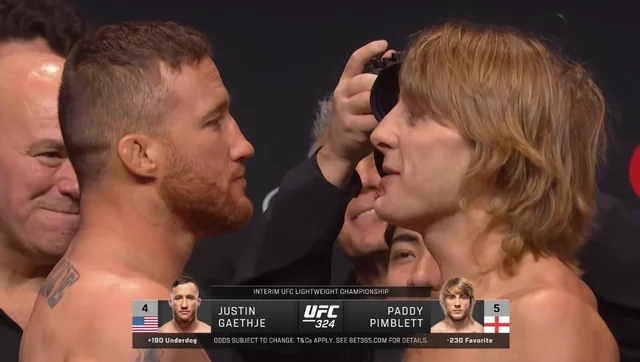
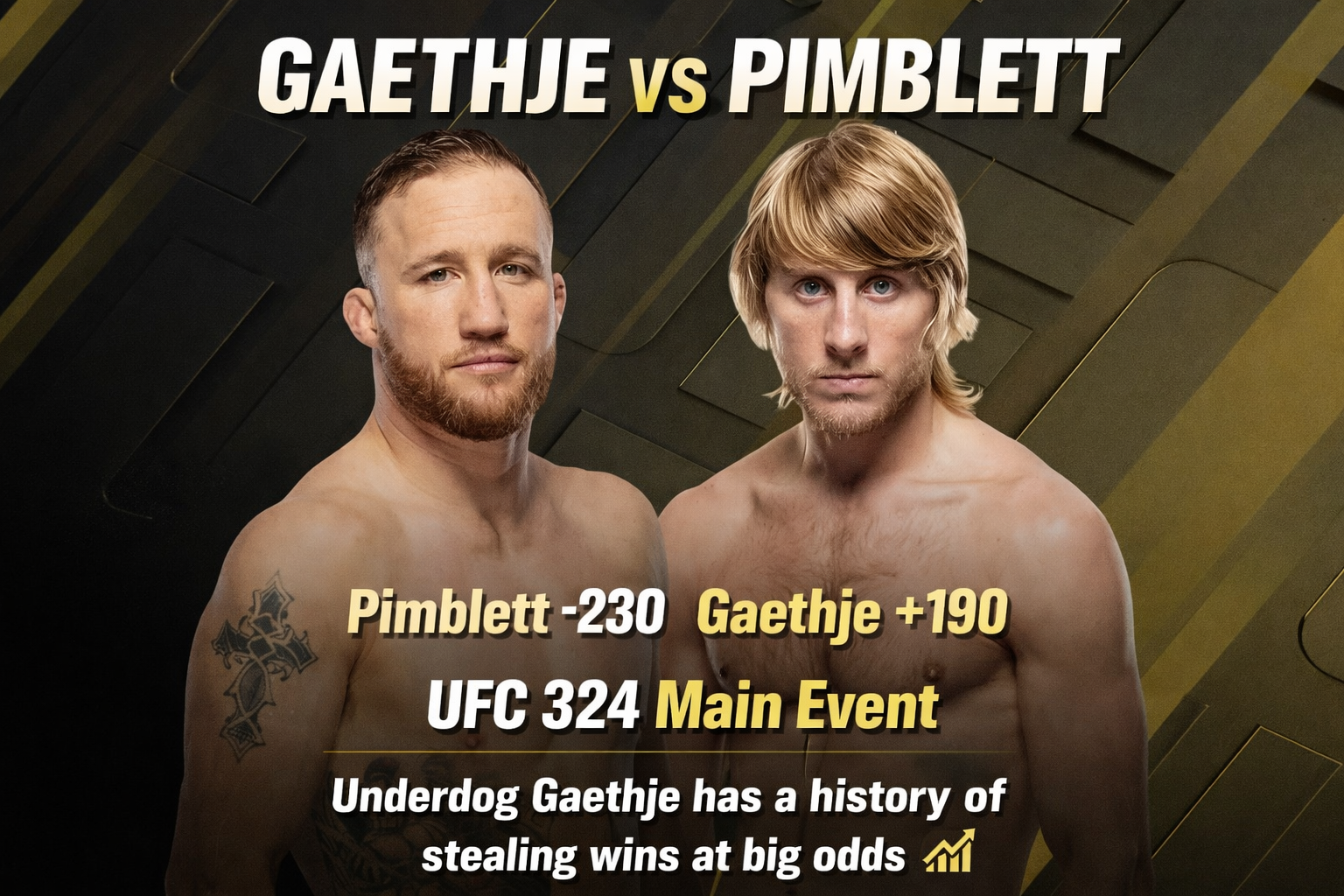
The lightweight division dynamics add another layer of complexity. Gaethje is competing for an interim title against Paddy Pimblett, a rising star with significant promotional backing. The compensation dispute could potentially impact how the UFC positions Gaethje in future title scenarios, particularly if the relationship becomes strained.
For the UFC, this situation presents both immediate and long-term challenges. In the short term, having a main event fighter contradict the promotion's messaging about the Paramount deal creates unwanted negative publicity during a crucial launch period. The promotion needs to demonstrate that the increased revenue is benefiting fighters, not just executives and shareholders.
Long-term, this dispute highlights the ongoing tension between the UFC's business interests and fighter compensation. As the promotion continues to grow and generate increased revenue, pressure for more equitable compensation structures will likely intensify. The Gaethje situation could become a catalyst for broader discussions about fighter pay and revenue sharing.
The broader fighter community is watching this situation closely. Gaethje's willingness to speak publicly about compensation issues could encourage other fighters to be more vocal about their own situations. This could lead to increased pressure on the UFC to be more transparent about how the benefits of new broadcast deals are being distributed.
For Paramount, having their inaugural UFC event overshadowed by compensation disputes is less than ideal. The streaming giant invested heavily in UFC content and needs the partnership to be perceived positively by both fighters and fans. Public disputes about fighter pay could undermine the narrative that this partnership benefits all stakeholders.
What to Watch
Several key developments will determine how this situation evolves and what it means for the UFC's future compensation structure.
The immediate resolution of Gaethje's situation will be telling. If the UFC and Gaethje can quickly resolve their communication issues and reach an agreement on increased compensation, it could demonstrate that the promotion is genuinely committed to improving fighter pay. However, if the dispute continues or escalates, it could signal deeper problems with the UFC's approach to compensation in the Paramount era.
Watch for other high-profile fighters to comment on their own compensation situations. If Gaethje's public stance encourages other athletes to speak out about their pay, it could create broader pressure for systemic changes. Conversely, if other fighters remain silent or actively support the UFC's messaging about improved compensation, it could isolate Gaethje's position.
The actual implementation of increased post-fight bonuses will be crucial. White has promised that the current $50,000 structure will increase, but the timeline and amount remain unclear. The first few Paramount-era events will provide concrete data about whether these promises are materializing.
The development of new compensation models to replace pay-per-view bonuses represents a significant technical and business challenge. White's claims about sophisticated analytics and precise calculations will need to be proven in practice. How successfully the UFC can replicate or improve upon pay-per-view-based compensation will significantly impact fighter satisfaction.
Legal and regulatory developments could also play a role. Ongoing discussions about fighter unionization, antitrust issues, and labor practices in combat sports could influence how the UFC approaches compensation negotiations. The Gaethje situation could become part of broader legal or regulatory scrutiny of UFC business practices.
The performance of UFC content on Paramount+ will ultimately determine the success of the partnership and the resources available for fighter compensation. Strong viewership numbers and subscriber growth could justify increased fighter pay, while disappointing performance could limit the UFC's ability to fulfill its compensation promises.
Industry observers should also monitor how other combat sports promotions respond to this situation. If the UFC's competitors use compensation disputes to recruit talent or criticize the promotion, it could force more aggressive responses from UFC management.
The resolution of this dispute will likely set precedents for how similar situations are handled in the future. The UFC's approach to managing public criticism from high-profile fighters while maintaining positive relationships will influence how other athletes approach compensation negotiations.
Ultimately, the Gaethje-White disagreement represents a microcosm of the broader challenges facing the UFC as it navigates its new partnership with Paramount. The promotion must balance the need to demonstrate value to its broadcast partner with the imperative to maintain positive relationships with the athletes who create that value. How successfully the UFC manages this balance will determine not just the resolution of this particular dispute, but the long-term success of its most significant broadcast partnership to date.


Login with Email or Google
Be the first to comment!