Dana White Draws Hard Line: No UFC-Boxing Crossover Despite Zuffa Boxing Launch
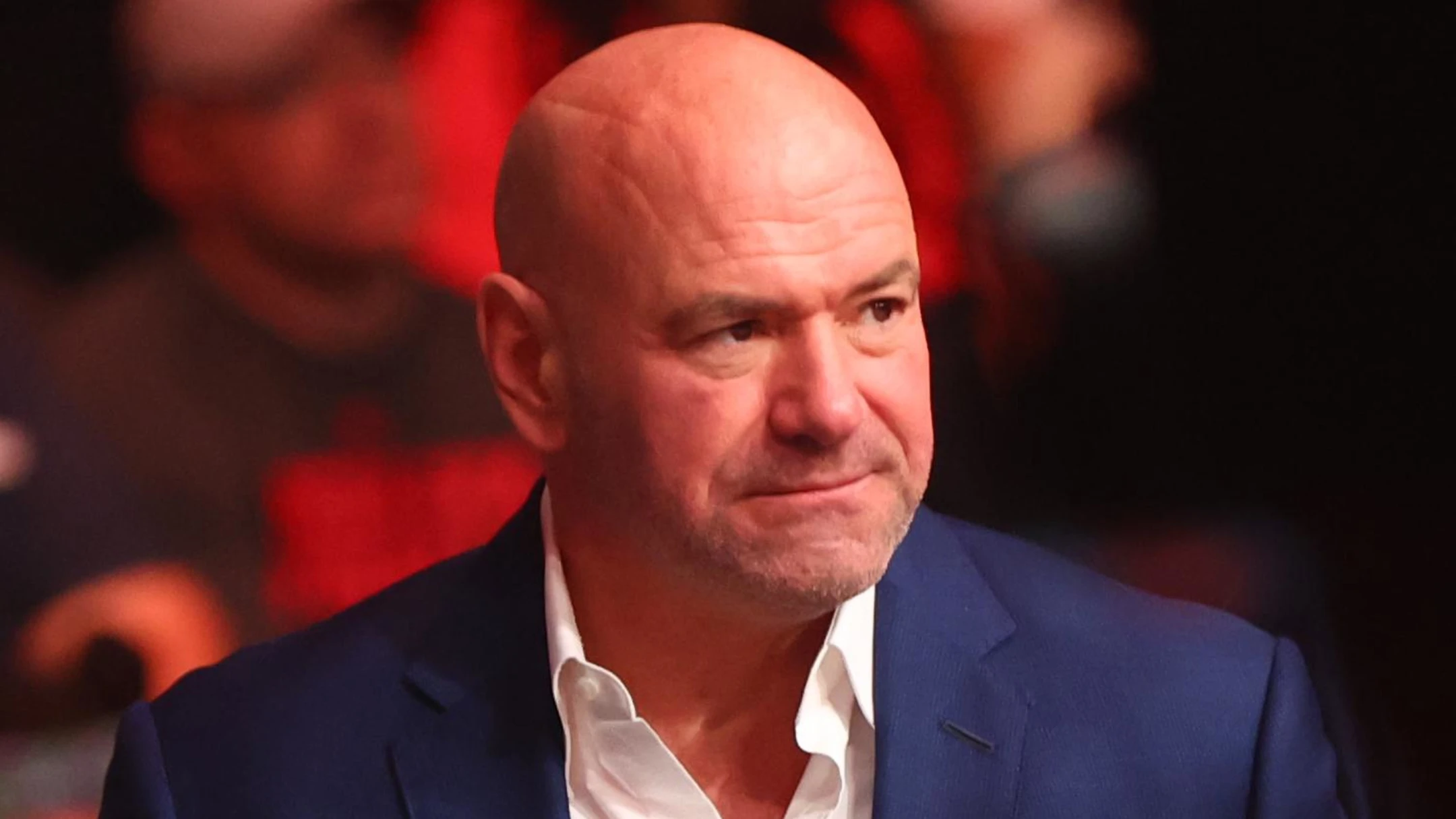
UFC CEO Dana White is making it crystal clear that his new boxing venture will operate completely separate from the world's premier mixed martial arts promotion, despite both falling under the TKO umbrella and the potential financial windfall that crossover fights could generate.
White's firm stance emerged during recent media appearances promoting UFC 313 and discussing the upcoming launch of Zuffa Boxing, the new boxing league developed in partnership with Saudi Arabia's Turki Alalshikh. The position has already cost at least one high-profile potential matchup and signals a strategic decision that prioritizes brand integrity over immediate revenue opportunities.
White's Uncompromising Position
Speaking on The Pat McAfee Show, White left no room for interpretation when asked about potential crossover between his MMA and boxing properties. "No, never," White stated emphatically. "I'm sure there are guys that want to box, but I literally don't want to see any of that. We keep the boxers in the boxing and MMA guys in the MMA. We'll never have that."
This definitive statement extends beyond just preventing UFC fighters from competing in boxing matches. White confirmed there won't even be hybrid events featuring both boxing rings and the UFC octagon side by side, drawing clear operational boundaries between the two combat sports.
The decision represents a significant departure from the crossover spectacles that have generated massive pay-per-view numbers in recent years, including Floyd Mayweather vs. Conor McGregor and Jake Paul's various celebrity boxing matches featuring former UFC fighters.
Immediate Casualties of the Policy
White's no-crossover policy has already impacted potential high-profile matchups. UFC light heavyweight champion Alex Pereira had expressed interest in a boxing match against heavyweight champion Oleksandr Usyk, seeing the TKO-Alalshikh partnership as a potential pathway to make such a fight happen.
"Who knows," Pereira said during UFC 313 media day when asked about the newly announced boxing league. "September, Saudi Arabia?" His optimism, however, appears misplaced given White's firm stance.
Perhaps more tellingly, retired UFC star Dustin Poirier revealed that he had already pitched a boxing match against Nate Diaz to Zuffa Boxing, only to be turned down. The proposed fight would have finally delivered on a matchup originally scheduled for UFC 230 in 2018 before Poirier's hip injury forced a cancellation.
"Trust me, I already pitched it to them," Poirier revealed on the JRE MMA Show. "Me and Nate Diaz, Zuffa Boxing, let's go. 170 [pounds] or 168, super middleweight, let's do it. They don't want any crossover. I think Zuffa wants to be taken seriously. They must hate money."
Strategic Reasoning Behind the Separation
White's decision to maintain strict separation between his combat sports properties appears driven by several strategic considerations. The UFC has spent decades building credibility as a legitimate sport, moving away from its early "human cockfighting" reputation to become a mainstream entertainment product with a $7.7 billion TV rights deal with Paramount.
By keeping MMA fighters out of boxing and vice versa, White may be attempting to preserve the competitive integrity of both sports while avoiding the circus-like atmosphere that has surrounded some crossover events. This approach mirrors the firewall TKO maintains between UFC and WWE content, ensuring that mixed martial arts fans aren't subjected to pro wrestling storylines.
The decision also reflects White's apparent desire for Zuffa Boxing to establish its own identity and credibility in the boxing world, rather than relying on UFC star power for initial traction. With rumors of a Saul "Canelo" Alvarez vs. Terence Crawford superfight potentially anchoring the September launch, Zuffa Boxing may be positioning itself to compete with established boxing promotions on pure boxing merit.
Addressing Critics and Commitment Concerns
White's boxing venture launch has coincided with criticism suggesting he's become less focused on the UFC as his attention spreads across multiple properties including UFC BJJ, Power Slap, and now Zuffa Boxing. The UFC CEO has pushed back forcefully against these characterizations.
"So I did one interview with CBS, and I didn't answer the question the way they thought I should answer the question, so I don't care about the UFC anymore?" White told Sports Business Journal. "Well, I'll tell you what, here's my answer: Come see what we do in 2026 going into 2027, and you will find out that I care very much about the UFC -- and Zuffa Boxing and Power Slap and Thrill One and the Dodge/[Ram] show that I just launched."
White emphasized that his role as CEO has naturally evolved to encompass a broader portfolio of entertainment properties, but insisted this doesn't diminish his commitment to the UFC's success.
Financial Implications and Market Dynamics
The no-crossover policy represents a potentially costly decision for TKO shareholders. Crossover fights have historically generated massive pay-per-view numbers, with Mayweather vs. McGregor reportedly earning over $600 million in revenue. Poirier vs. Diaz in a boxing ring would likely have drawn significant interest given both fighters' popularity and their long-awaited matchup.
However, White's approach may reflect a longer-term view of brand value versus short-term revenue opportunities. The UFC's transformation from a niche spectacle to a legitimate sport has taken decades, and protecting that credibility may outweigh immediate financial gains from novelty matchups.
The decision also comes as TKO leadership has faced criticism for what some perceive as cost-cutting measures that have left UFC pay-per-view cards "pretty dry past the main and co-main" events. Whether this conservative approach will extend to Zuffa Boxing's event structure remains to be seen.
Looking Ahead
With Zuffa Boxing's September launch approaching and the potential Canelo-Crawford superfight on the horizon, White's strict separation policy will face its first major test. The boxing world will be watching to see whether the new promotion can establish credibility and generate compelling matchups without relying on MMA crossover appeal.
For UFC fighters interested in boxing opportunities, White's position effectively closes one potential avenue while likely driving them toward competing promotions. This could create interesting dynamics as fighters near the end of their UFC contracts weigh their options.
The success or failure of White's compartmentalized approach will ultimately be measured in both sports' ability to grow their respective audiences while maintaining competitive integrity. While the immediate financial opportunity of crossover fights may be substantial, White appears convinced that the long-term health of both the UFC and Zuffa Boxing depends on keeping them separate.
As White himself suggested to critics, the true test of his expanded focus and strategic decisions will become apparent in the coming years. Whether his vision of distinct, credible combat sports brands proves more valuable than crossover spectacles remains one of the most intriguing business questions in combat sports today.


Login with Email or Google
Be the first to comment!