Dan Hooker vs. Paddy Pimblett: Inside the UFC's Most Personal Lightweight Feud
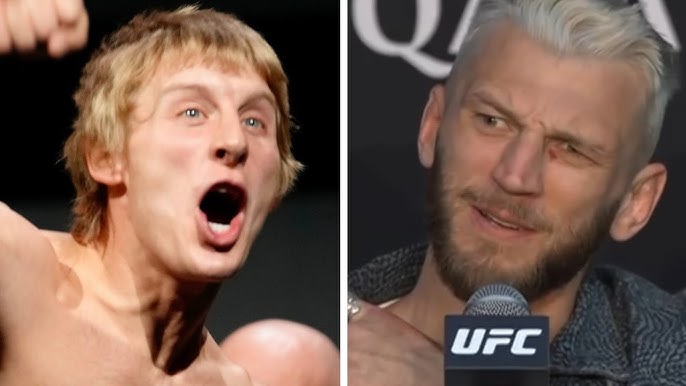
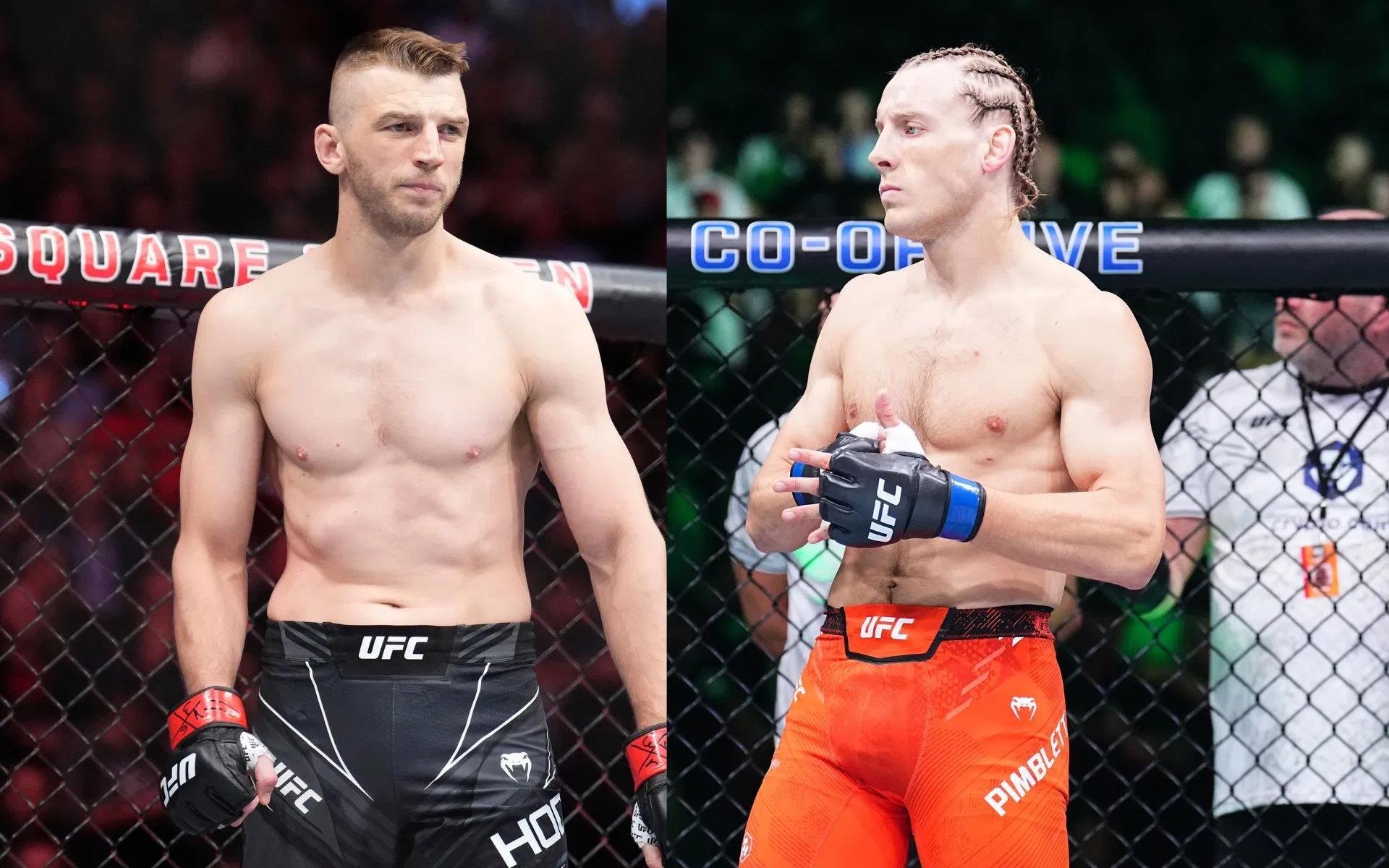
The UFC lightweight division has witnessed its share of heated rivalries, but few have escalated to the deeply personal level currently brewing between Dan "The Hangman" Hooker and Paddy "The Baddy" Pimblett. What began as typical pre-fight trash talk has devolved into one of the most controversial feuds in recent memory, with both fighters crossing lines that many in the MMA community believe should never be crossed.
The Genesis of a Bitter Rivalry
The animosity between these two lightweight contenders didn't emerge overnight. According to multiple sources, the feud ignited when Pimblett launched a particularly crude attack on Hooker's grappling abilities, stating that "Dan Hooker couldn't grapple a f*cking rapist off his ma." This vulgar assessment of Hooker's ground game was designed to provoke a reaction, and it succeeded beyond Pimblett's likely expectations.
What makes this exchange particularly noteworthy is the context surrounding both fighters' careers. Pimblett, riding high on his meteoric rise in the UFC, was preparing for the biggest fight of his career against Justin Gaethje for the interim lightweight title at UFC 324. Meanwhile, Hooker, a seasoned veteran of the division, was gearing up for his own significant bout against Benoit Saint-Denis at UFC 325.
Hooker's Controversial Response
Rather than brushing off Pimblett's comments or responding with conventional trash talk, Hooker chose to escalate the situation dramatically. In what many consider a crossing of professional boundaries, Hooker invoked the memory of Ricky, a close friend of Pimblett's who died by suicide. This reference immediately drew widespread criticism from fans and fellow fighters alike, who viewed it as an unacceptable "low blow" that went beyond the typical bounds of competitive rivalry.
Hooker's decision to bring up such a sensitive and personal tragedy reflects the intensity of his reaction to Pimblett's initial provocation. The New Zealand fighter has made it clear that he felt Pimblett's comments about his mother crossed a line first, justifying his own controversial response.
Defending the Indefensible: Hooker's Stance
In subsequent interviews, particularly with Combat TV, Hooker has shown zero remorse for his actions. His philosophy appears to be one of escalating retaliation, as evidenced by his blunt statement: "You go low, I go lower." This approach reveals a fighter who believes in matching his opponent's energy, regardless of how dark the conversation becomes.
"Fck around and find out, brother," Hooker explained, making it clear that his mention of Pimblett's deceased friend was entirely deliberate. "You want to take it there? There's shit you don't talk about as fighters. He can say whatever he wanted, he tried to get a reaction, he fcking got one."
The veteran fighter's justification centers on the idea that Pimblett initiated the personal attacks, and therefore opened the door for equally personal responses. This tit-for-tat mentality has created a cycle of increasingly toxic exchanges between the two competitors.
The Psychology of Personal Feuds in MMA
What makes the Hooker-Pimblett feud particularly fascinating from an analytical standpoint is how it demonstrates the psychological warfare that can develop between fighters. Hooker has openly admitted that Pimblett's comments genuinely affected him, stating, "He genuinely pissed me off. He genuinely got under my skin and he got a reaction."
This admission reveals the effectiveness of Pimblett's initial strategy, even as it backfired spectacularly. The Liverpool native succeeded in rattling a veteran competitor, but in doing so, he unleashed a response that many believe went too far. The situation illustrates how quickly trash talk can spiral beyond the realm of competitive banter into genuinely hurtful territory.
Career Implications and Future Prospects
Both fighters currently have more immediate concerns than their ongoing feud. Pimblett's interim title fight against Justin Gaethje at UFC 324 represents the culmination of his rapid ascent through the lightweight rankings. A victory would position him as the next challenger for the undisputed championship and validate his transition from Cage Warriors champion to UFC title contender.
For Hooker, his upcoming bout with Benoit Saint-Denis at UFC 325 serves as another opportunity to prove his continued relevance in the stacked lightweight division. The veteran has experienced both the heights and valleys of UFC competition, and another strong performance could keep him in the conversation for future high-profile matchups.
The timing of their respective fights – just one week apart – adds another layer of intrigue to their feud. Should both emerge victorious, the natural narrative would push toward a future confrontation between them, potentially giving their war of words a physical resolution inside the Octagon.
The Line Between Promotion and Personal Attack
The Hooker-Pimblett situation raises important questions about the boundaries of acceptable trash talk in professional mixed martial arts. While provocative comments and psychological warfare have long been part of combat sports, most fighters and fans recognize certain topics as off-limits – particularly those involving deceased loved ones or family members.
Pimblett's initial comments about Hooker's mother certainly crossed into personal territory, but many argue that invoking a suicide victim represents a far more serious transgression. The reaction from the MMA community has been largely critical of Hooker's approach, even among those who understood his anger at Pimblett's provocation.
No Path to Reconciliation
Perhaps most telling about this feud is Hooker's explicit statement that he has no interest in reconciliation. "I've got no intention of making up, there's no coming back from that," he declared, making it clear that this isn't simply promotional theater designed to build interest in a potential future fight.
This genuine animosity sets the Hooker-Pimblett feud apart from many other UFC rivalries, which often involve calculated trash talk designed to generate pay-per-view buys and media attention. The raw emotion and personal nature of their exchanges suggest that any future meeting between them would carry legitimate bad blood.
Impact on Their Respective Images
The controversy has affected both fighters' public personas in different ways. Pimblett, who has cultivated an image as an entertaining, charismatic personality, finds himself in the position of being the "victim" in this particular exchange, despite initiating the personal attacks. This dynamic could actually benefit his public image, positioning him as someone who was wronged by an opponent who went too far.
Hooker, conversely, faces criticism for his decision to invoke a suicide victim in his trash talk. While some fans appreciate his refusal to back down, many others view his comments as crossing an unacceptable line. This controversy could impact his marketability and fan support, regardless of his performance inside the cage.
Looking Ahead: The Inevitable Collision Course
Given the intensity of their mutual dislike and the entertainment value their feud would bring to a fight card, it seems inevitable that the UFC will eventually book Hooker versus Pimblett. The promotion has a history of capitalizing on genuine animosity between fighters, and this rivalry has all the elements needed for a compelling pay-per-view attraction.
However, the outcome of their immediate upcoming fights will significantly impact the timeline and stakes of any potential matchup. A Pimblett victory over Gaethje would elevate him to interim champion status, potentially making a fight with Hooker less appealing from a rankings perspective. Conversely, if either fighter suffers a setback in their next outing, it could delay or complicate any plans for their eventual confrontation.
Conclusion: A Feud That Transcends Sport
The Dan Hooker versus Paddy Pimblett feud represents more than just another UFC rivalry – it's a case study in how quickly competitive trash talk can escalate into genuinely personal territory. While both fighters bear responsibility for the toxic nature of their exchanges, the situation serves as a reminder that behind the entertainment value of combat sports promotion lies the potential for real emotional damage.
As both men prepare for their respective upcoming fights, their war of words continues to simmer in the background. Whether their feud ultimately leads to a resolution inside the Octagon remains to be seen, but one thing is certain: when these two lightweights eventually cross paths again, whether in person or in competition, the tension will be palpable. The MMA community will be watching closely to see how this deeply personal rivalry continues to unfold, hoping that future chapters focus more on athletic competition than psychological warfare.




Login with Email or Google
Be the first to comment!