Arman Tsarukyan's Bold Grand Prix Proposal: How One Fighter's Vision Could Revolutionize UFC's Title Picture
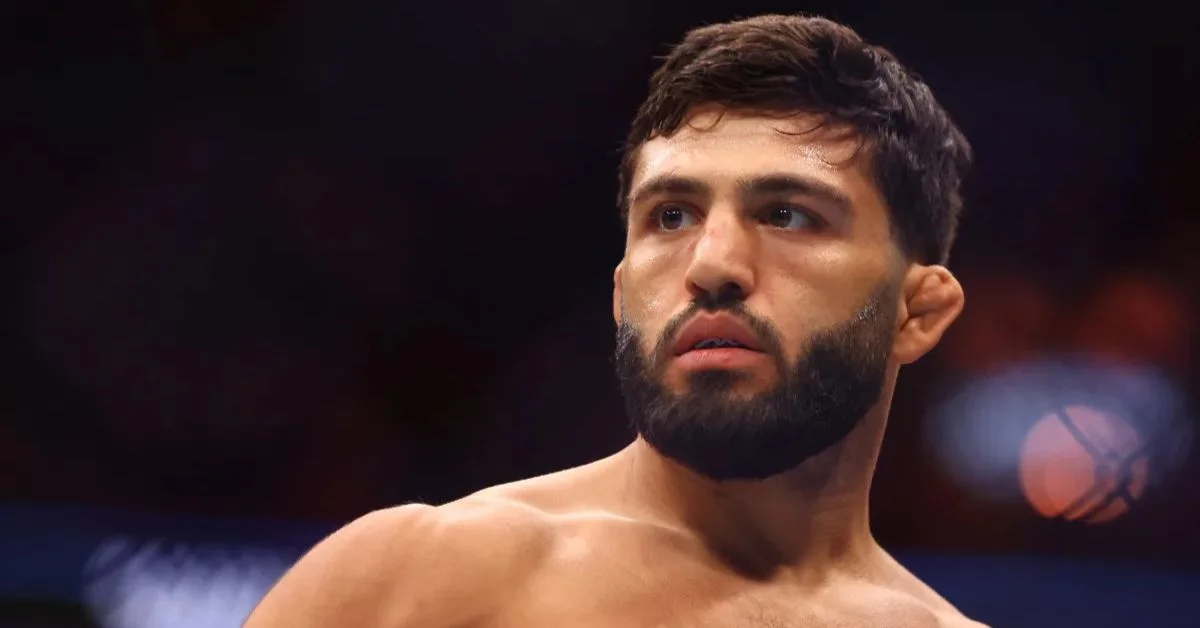
The lightweight division has always been the UFC's most talent-rich battleground, but rarely has it felt as congested as it does today. With champions taking extended breaks, interim titles being created, and top contenders left in limbo, the 155-pound weight class resembles a traffic jam more than a clear hierarchy. Into this chaos steps Arman Tsarukyan with a radical proposition that harkens back to the sport's tournament roots—and his own words reveal both the frustration of a fighter caught in the system and the vision of someone who believes there's a better way.
"I would like to do in the UFC like a Grand Prix," Tsarukyan declared during a recent appearance on the One Night with Steiny podcast, his accent carrying the weight of genuine conviction. "Eight of the best fighters fight for the title… In the Grand Prix, you get there, eight of the best fighters and in six weeks, one champion."
It's a statement that cuts through the political maneuvering and promotional considerations that often dictate title shots in modern MMA. Coming from a fighter who finds himself on the outside looking in despite his credentials, Tsarukyan's words carry the sting of personal experience mixed with the clarity of someone who has watched the system from multiple angles.
The Context Behind the Frustration
Tsarukyan's current predicament perfectly illustrates the lightweight division's dysfunction. Despite being widely regarded as one of the top contenders in the weight class, he remains "the odd man out in the UFC lightweight title picture ahead of UFC 324," as the situation currently stands. His path to a title shot has been anything but straightforward, marked by missed opportunities and circumstances beyond his control.
The Armenian-born fighter's most recent setback came when he withdrew from a scheduled bout with Islam Makhachev at UFC 311, a decision that removed him from immediate title contention. While injuries and withdrawals are part of the sport, in the UFC's current system, such setbacks can derail a fighter's momentum for months or even years.
"If you're not fighting, you pull out, the next one is coming," Tsarukyan explained when describing his Grand Prix concept, a philosophy that seems born from his own experience of being sidelined by circumstances.
His return to action came at UFC Qatar in November, where he submitted Dan Hooker in impressive fashion, demonstrating that his skills remained sharp despite the layoff. Yet even this victory couldn't immediately propel him back into title contention, as the division's landscape had already shifted around him.
The Politics of Exclusion
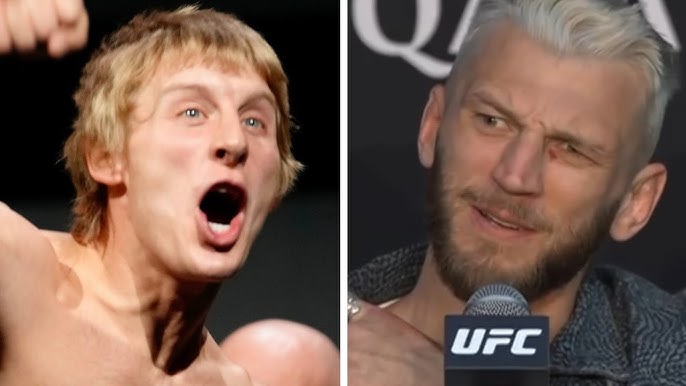
Perhaps most revealing about Tsarukyan's current situation is how external factors have influenced his standing. UFC CEO Dana White recently admitted that Tsarukyan's headbutt of Dan Hooker during their weigh-in faceoff played a role in his exclusion from the UFC 324 interim title bout between Paddy Pimblett and Justin Gaethje.
This admission highlights one of the sport's most frustrating realities for fighters—that actions outside the octagon can have consequences inside it. For Tsarukyan, a moment of pre-fight intensity cost him what could have been the biggest opportunity of his career. It's a harsh lesson in the modern UFC, where promotion and marketability often carry as much weight as fighting ability.
The fact that UFC legend Chael Sonnen has recently "implored the matchmakers to 'forgive' Tsarukyan and grant him a title shot for his next fight" speaks to the recognition among MMA insiders that the fighter's exclusion may have more to do with politics than performance. Sonnen's intervention suggests that Tsarukyan's case for a title shot is strong enough that respected voices in the sport are willing to advocate for him publicly.
The Grand Prix Vision
Tsarukyan's proposed solution reveals a fighter who has thought deeply about the structural problems plaguing his division. His Grand Prix concept isn't just about creating exciting fights—it's about establishing a meritocracy where performance matters more than politics.
"It doesn't matter if you get hurt or what happens with you, you're supposed to fight," Tsarukyan stated, outlining a system where commitment and availability would be as important as skill. This perspective comes from someone who has experienced firsthand how withdrawals can derail careers and create bottlenecks in the title picture.
The timeline he proposes—"six weeks, one champion"—reflects an understanding of how prolonged uncertainty can damage both fighters and fans. In the current system, title pictures can remain unclear for months as champions recover from injuries, negotiate contracts, or pursue other interests. Tsarukyan's vision would compress this timeline dramatically, creating urgency and momentum.
His reference to eight fighters competing suggests he's envisioning something more substantial than a typical four-man tournament. This format would allow for the inclusion of multiple deserving contenders while still maintaining the elimination-style drama that makes tournaments compelling. It's a format that would theoretically accommodate fighters like himself, the winner of Pimblett vs. Gaethje, and other top contenders who currently find themselves in limbo.
Historical Precedent and Modern Relevance
Tsarukyan's proposal gains credibility when viewed against the UFC's own history. The promotion "has hosted several tournaments, mostly in the early years," with "the last Grand Prix being a one-night competition at UFC 23 in 1999." This historical precedent suggests that tournament formats aren't foreign to the UFC—they've simply fallen out of favor as the promotion evolved into a more entertainment-focused enterprise.
The early UFC tournaments were born of necessity, designed to answer fundamental questions about martial arts effectiveness. Modern tournaments would serve a different purpose—cutting through the politics and promotional considerations that can cloud title pictures. In an era where undisputed champions like Ilia Topuria can take "indefinite absence from competition," creating interim titles and further complicating divisions, tournaments offer a path back to clarity.
The fact that the UFC's last Grand Prix occurred over two decades ago highlights how much the sport has changed. The early tournaments were often brutal affairs, with fighters competing multiple times in a single night with minimal rest between bouts. Tsarukyan's vision appears more humane, spreading competition over six weeks rather than a single evening, acknowledging the evolution in both fighter safety standards and the sport's understanding of recovery time.
The Fighter's Perspective on Fairness
What makes Tsarukyan's words particularly compelling is how they reflect a fighter's understanding of fairness within the sport's ecosystem. His emphasis on commitment—"If you're not fighting, you pull out, the next one is coming"—speaks to frustrations that many fighters share but few articulate so clearly.
This perspective reveals someone who has watched opportunities slip away due to factors beyond pure fighting ability. In traditional sports, playoff systems and tournaments create clear paths to championships. In MMA, particularly in the UFC, title shots often depend on a complex calculus involving performance, marketability, availability, and sometimes pure timing.
Tsarukyan's proposal would eliminate much of this uncertainty. Fighters would know exactly what they need to do to earn a title shot: qualify for the tournament and then win their way through it. There would be no waiting for champions to recover, no wondering if promotional considerations might favor another contender, no concern that a single mistake outside the octagon could derail years of work.
The Business Case and Practical Challenges
While Tsarukyan speaks from a fighter's perspective, his proposal also makes business sense in many ways. Tournaments create natural storylines, building momentum as they progress and guaranteeing a definitive conclusion. The six-week timeline he suggests could generate sustained interest and multiple pay-per-view events, potentially more profitable than the current system of sporadic title fights separated by months of uncertainty.
However, the practical challenges are significant. Modern fighters compete less frequently than their predecessors, with recovery time, training camps, and promotional obligations extending the time between bouts. Tsarukyan's vision of fighters being ready to compete on short notice—"It doesn't matter if you get hurt or what happens with you, you're supposed to fight"—runs counter to current trends toward longer preparation periods and more careful management of fighter health.
The UFC's current model also allows for more flexibility in booking and promotion. Individual title fights can be scheduled around other major events, integrated into broader promotional strategies, and adjusted based on market conditions. Tournaments, by their nature, create rigid timelines that might not align with the promotion's broader business objectives.
The Broader Implications
Tsarukyan's words reveal more than just frustration with his personal situation—they highlight fundamental questions about how combat sports should determine champions. His proposal represents a return to pure meritocracy, where fighting ability and availability matter more than external considerations.
This perspective resonates particularly strongly in the lightweight division, which has become a case study in how modern title pictures can become convoluted. With Ilia Topuria taking an indefinite break, an interim title being created between Pimblett and Gaethje, and multiple other contenders like Tsarukyan left waiting, the division exemplifies the problems his proposed system would solve.
The fact that someone of Tsarukyan's caliber finds himself excluded from title contention despite his recent victory over Dan Hooker illustrates how the current system can fail to reward merit consistently. His Grand Prix proposal wouldn't just solve his personal situation—it would create a framework for handling similar situations in the future.
Looking Forward
As the UFC continues to evolve, Tsarukyan's words represent more than just one fighter's proposal—they articulate a vision for how the sport might better serve both competitors and fans. His emphasis on commitment, timeline, and merit-based advancement addresses real problems in the current system while drawing on the sport's tournament heritage.
Whether the UFC will seriously consider such a radical departure from its current model remains to be seen. The promotion has shown willingness to experiment with new formats and approaches, but tournaments would represent a significant shift in how it operates. The success of such a system would depend on buy-in from fighters, fans, and the promotional apparatus that has grown around individual title fights.
For now, Tsarukyan remains in the position that prompted his proposal—a top contender waiting for his opportunity while the division sorts itself out around him. His words serve as both a critique of the current system and a roadmap for potential improvement, articulated with the clarity that comes from experiencing the system's limitations firsthand.
"Eight of the best fighters and in six weeks, one champion," he said, painting a picture of decisive action in a sport that often rewards patience over urgency. Whether that vision becomes reality or remains an intriguing thought experiment, Tsarukyan's proposal has added an important voice to ongoing discussions about how combat sports can better serve the athletes who define them.
In a division where politics and timing often matter as much as performance, Tsarukyan's call for a Grand Prix represents something increasingly rare in modern MMA—a purely competitive solution to a complex problem. His words remind us that sometimes the most radical proposals are simply returns to fundamental principles, dressed in the language of someone who has lived through the alternatives and found them wanting.


Login with Email or Google
Be the first to comment!