Anthony Smith's Stunning Bareknuckle Comeback Highlights Gamebred MMA's Bold Return
The News
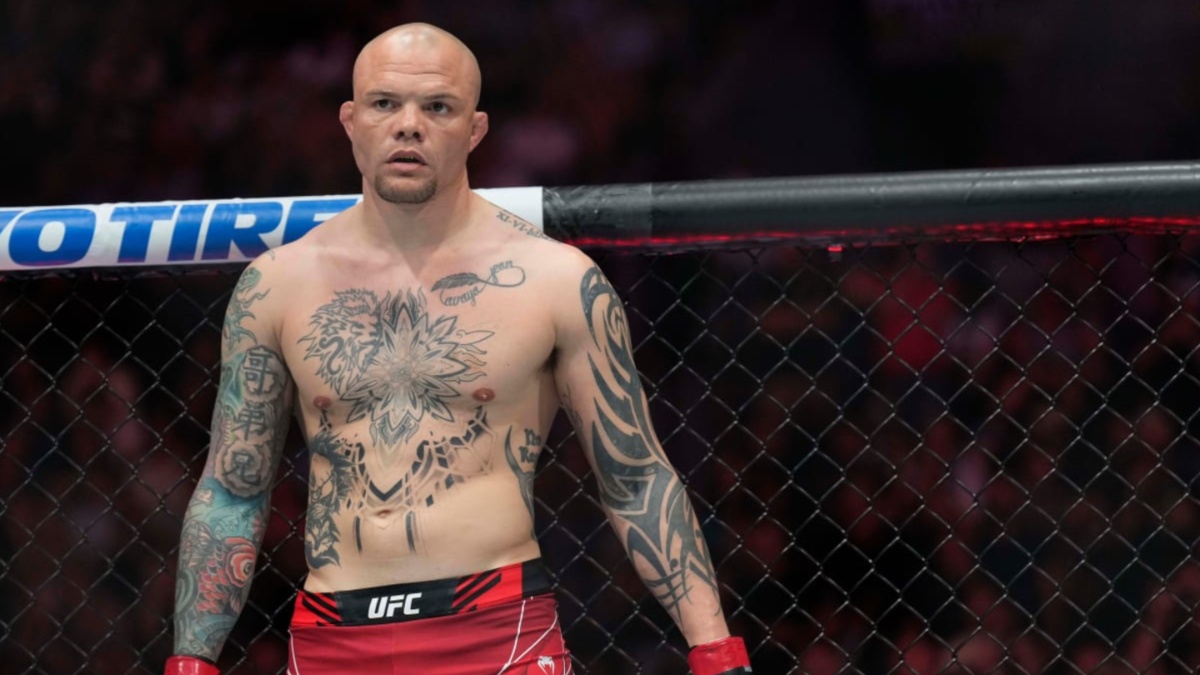
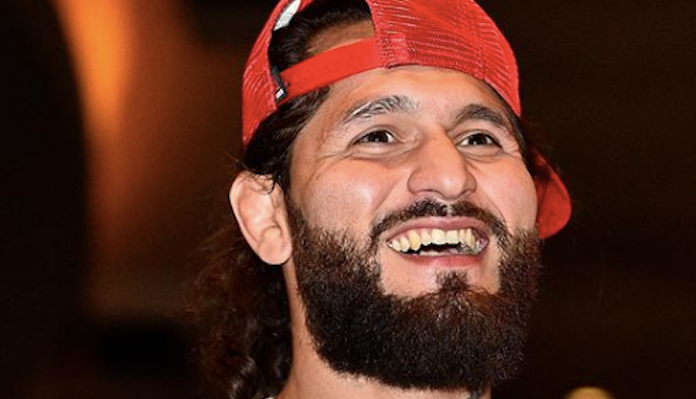
Jorge Masvidal's Gamebred Bareknuckle MMA promotion made its triumphant return to action on April 10, 2026, after more than a decade of dormancy, delivering an event that exceeded expectations and showcased the unique appeal of bareknuckle mixed martial arts. The card, held at Ovalo Feria Ganadera in Santo Domingo, Dominican Republic, was headlined by recently retired UFC veteran Anthony Smith's dominant first-round submission victory over Chase Sherman, marking the beginning of ambitious tournament formats that could reshape the combat sports landscape.
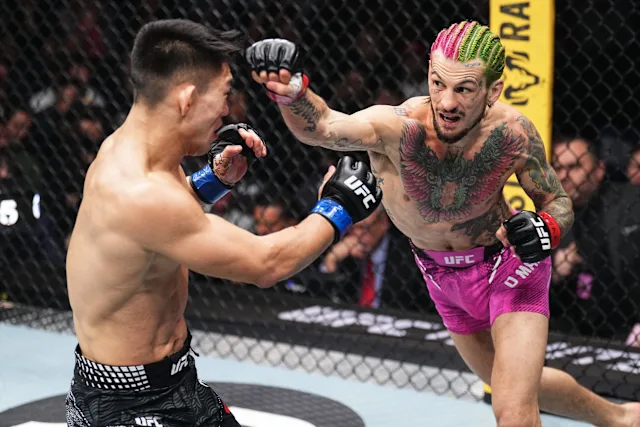
Smith, who had announced his retirement from UFC competition following three consecutive losses, looked revitalized in his bareknuckle debut. The former light heavyweight contender, competing at heavyweight for the tournament, systematically dismantled Sherman with precise striking before securing a rear naked choke submission at 3:21 of the first round. The performance was particularly impressive given Sherman's significant size advantage and extensive bareknuckle experience.
The co-main event featured another former UFC title challenger, Thiago Santos, who dispatched Guto Inocente via first-round TKO at 4:21, advancing in the heavyweight tournament bracket. The card also kicked off a lightweight tournament, with multiple UFC veterans participating in both divisions competing for $500,000 prize pools.
Other notable results included Ray Cooper III's first-round TKO victory over Glaucio Eliziario, Luis Pena's submission win over Carlos Alexandre, and Denis Petrov's lightning-fast TKO of Oscar Hierro Sosa just 1:04 into their contest. The event was broadcast free on YouTube, marking a strategic approach to building audience for the promotion's return.
The Context
Gamebred Bareknuckle MMA's return represents a significant development in combat sports, as Jorge Masvidal leverages his mainstream popularity to revive a promotion that has been dormant since November 2014. The timing of this comeback coincides with the growing popularity of bareknuckle combat sports, exemplified by the success of Bare Knuckle Fighting Championship (BKFC) and the general expansion of combat sports beyond traditional boxing and MMA.
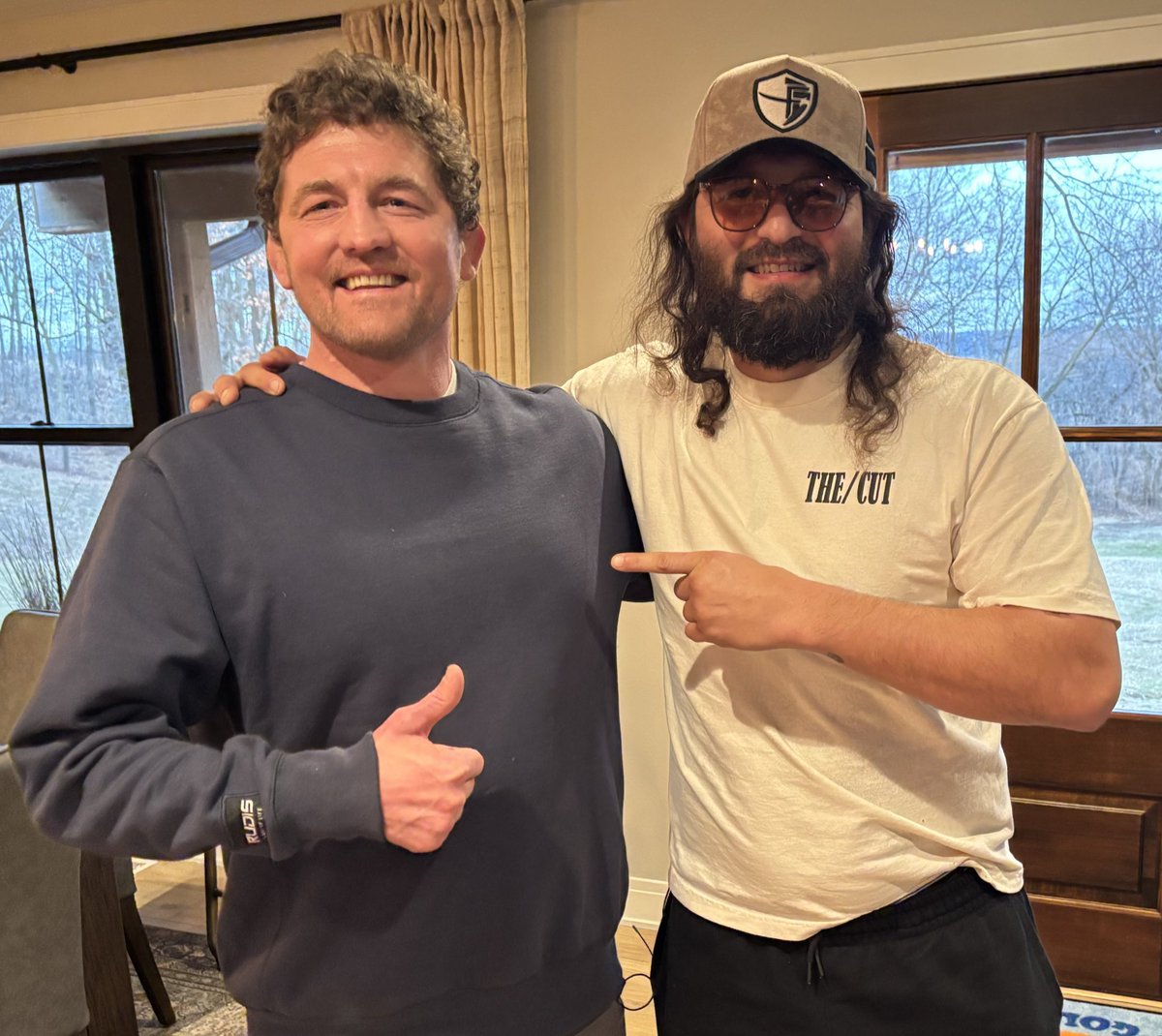
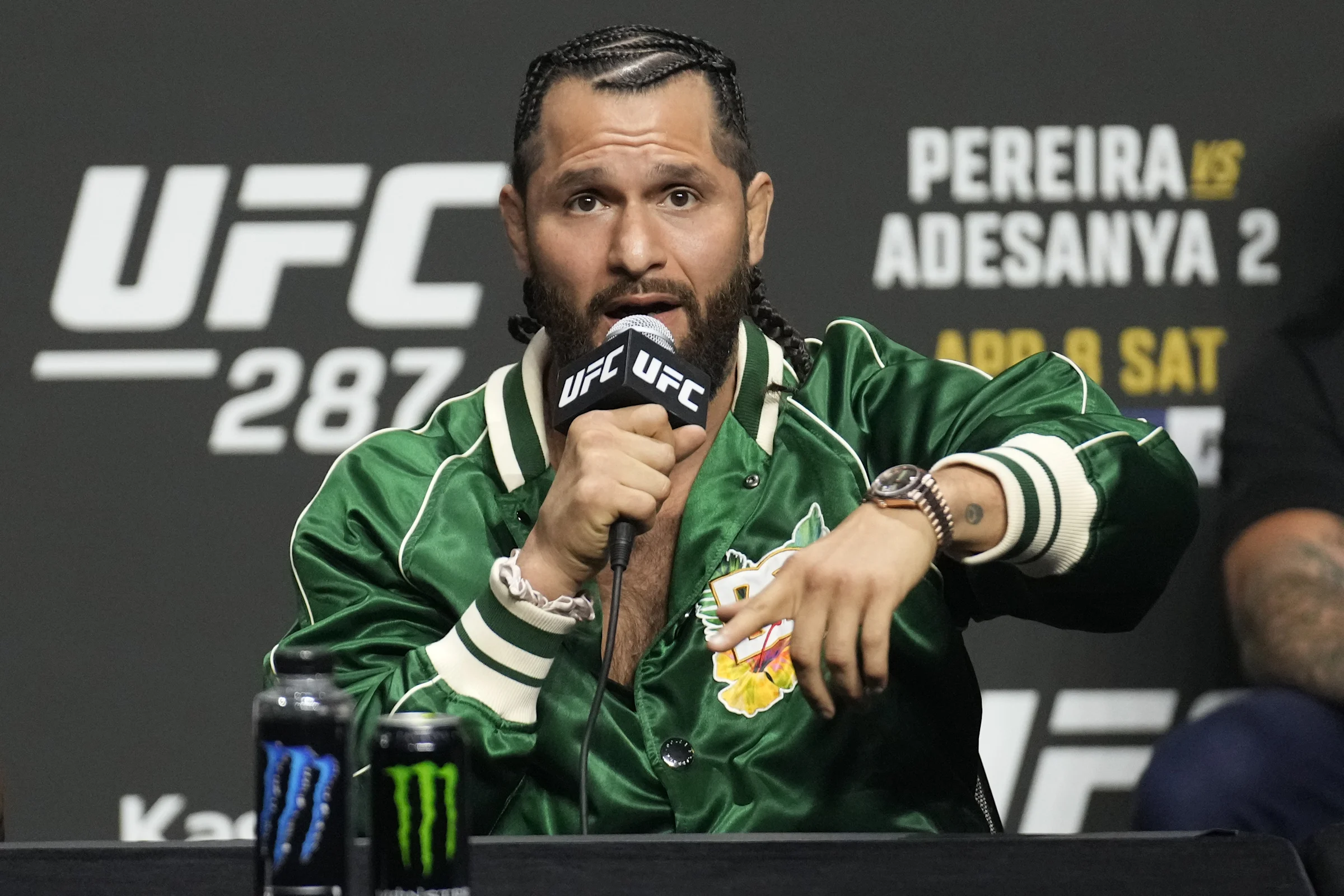
Masvidal, who rose to superstardom through his "Gamebred" persona and memorable UFC performances, including his record-setting five-second knockout of Ben Askren, brings considerable star power and credibility to the venture. His experience as both a fighter and entrepreneur positions him uniquely to understand what fighters and fans want from combat sports entertainment.
The promotion's decision to launch with tournament formats harks back to the early days of MMA, when tournaments were common in promotions like Pride Fighting Championships and early UFC events. The $500,000 prize pools for both heavyweight and lightweight tournaments represent substantial financial incentives that could attract top-tier talent looking for alternatives to traditional MMA promotions.
Anthony Smith's participation is particularly significant given his recent UFC career trajectory. "Lionheart" had been a fixture in the UFC's light heavyweight division for years, challenging Jon Jones for the title in 2019 and consistently facing elite competition. However, his final three UFC fights resulted in losses to Magomed Ankalaev, Johnny Walker, and Roman Dolidze, leading to his retirement announcement.
The bareknuckle MMA format presents unique challenges and opportunities compared to traditional MMA. Without gloves, fighters must adjust their striking techniques, as the increased risk of hand injuries can affect fight strategies. The format also tends to produce more dramatic visual damage, potentially leading to earlier stoppages and more decisive finishes.
The Analysis
Smith's performance against Sherman revealed several important insights about both the fighter's current state and the potential of bareknuckle MMA as a platform for veteran fighters. The systematic way Smith broke down Sherman demonstrated that his technical skills remained sharp despite his recent struggles in the UFC. His ability to control distance with his jab, counter effectively with left hooks, and seamlessly transition from striking to grappling showed a fighter who had clearly prepared specifically for this format.
The key to Smith's success lay in his adaptation to the bareknuckle environment. Rather than loading up on power shots that could damage his hands, he focused on volume striking with precise placement. This approach allowed him to accumulate damage on Sherman while preserving his own offensive capabilities. When Sherman attempted to wrestle out of desperation, Smith's grappling superiority became evident as he quickly advanced to mount and eventually secured the submission.
From a technical standpoint, the bareknuckle format appeared to favor Smith's skill set. His background as a well-rounded mixed martial artist, combined with his experience in high-pressure situations, translated well to this environment. The absence of gloves actually seemed to enhance his jab, as he could land with greater precision and create more visible damage.
Sherman's performance highlighted some of the challenges faced by fighters transitioning between different combat sports formats. Despite his bareknuckle boxing experience, the addition of grappling elements seemed to disrupt his game plan. His attempts to pressure Smith with forward movement played directly into Smith's counter-striking strengths.
The broader card results suggest that technical proficiency and fight IQ may be more important in bareknuckle MMA than pure power or size advantages. Several fights ended via submission or technical stoppages, indicating that the format rewards fighters who can adapt their strategies rather than simply rely on knockout power.
The Implications
For Anthony Smith personally, this victory represents a potential career renaissance. At 36 years old, the former title challenger has found a new platform where his skills can shine without the pressure of competing against the absolute elite of the sport. The tournament format provides clear goals and substantial financial incentives, potentially offering a more rewarding path than continuing to face increasingly difficult matchups in the UFC.
The success of this event has broader implications for the combat sports landscape. If Gamebred Bareknuckle MMA can consistently deliver entertaining cards with recognizable names, it could establish itself as a legitimate alternative to traditional MMA promotions. This would provide fighters with additional negotiating leverage and career options, particularly for veterans who may no longer be competitive at the highest levels of the UFC.
For Jorge Masvidal, the successful return of his promotion validates his business acumen and positions him as more than just a fighter-turned-entrepreneur. The free broadcast on YouTube demonstrates a modern approach to audience building, prioritizing viewership growth over immediate pay-per-view revenue. This strategy could pay long-term dividends if the promotion can convert casual viewers into dedicated fans.
The tournament format creates ongoing storylines that extend beyond individual fights. Smith's advancement in the heavyweight tournament means fans now have a reason to follow his continued progress, creating sustained interest rather than the typical one-off fight model. This approach could prove particularly effective for building audience engagement and creating appointment viewing.
From an industry perspective, the success of bareknuckle MMA could influence other promotions to experiment with rule modifications or tournament structures. The visual appeal of bareknuckle striking combined with the comprehensive skill requirements of MMA creates a unique product that differentiates itself from both traditional MMA and bareknuckle boxing.
The international location in the Dominican Republic also suggests an expansion strategy that could tap into underserved markets. By establishing a presence in different regions, Gamebred could build a global brand while potentially accessing talent pools that other promotions have overlooked.
What to Watch
The immediate focus will be on Smith's continued performance in the heavyweight tournament. His impressive debut raises questions about whether he can maintain this level of performance against potentially larger and more powerful opponents in subsequent rounds. The tournament structure means fans won't have to wait long to see if this was a one-time resurgence or the beginning of a sustained comeback.
Thiago Santos' advancement in the heavyweight tournament creates another compelling storyline. The former UFC title challenger brings name recognition and proven knockout power to the bracket, setting up potential future matchups with Smith if both continue advancing. Santos' ability to adapt to the bareknuckle format will be crucial to monitor.
The lightweight tournament progression will be equally important to track, as it features several recognizable names and could establish Gamebred as a destination for fighters across multiple weight classes. The success of these tournaments could determine whether the promotion expands to additional weight divisions or geographic markets.
Viewership numbers and fan engagement metrics from the YouTube broadcast will be critical indicators of the promotion's commercial viability. Strong performance could attract additional investment and higher-profile signings, while disappointing numbers might force strategic adjustments.
The response from other combat sports promotions will also be worth monitoring. If Gamebred demonstrates significant success, it could prompt competitive responses or even acquisition interest from larger organizations looking to diversify their offerings.
Long-term, the biggest question is whether Gamebred Bareknuckle MMA can establish sustainable business operations and consistent event scheduling. Many combat sports promotions have launched with fanfare only to struggle with the operational challenges of regular event production and talent acquisition.
The promotion's ability to sign and retain talent will be crucial. If fighters like Smith continue to find success and satisfaction in this format, it could attract additional UFC veterans and other established fighters looking for new opportunities. However, maintaining competitive balance while building star power will require careful matchmaking and strategic planning.
Finally, regulatory considerations could impact the promotion's growth. Bareknuckle MMA operates in a complex legal environment, and the promotion's ability to secure sanctioning in major markets could determine its long-term expansion possibilities.
The return of Gamebred Bareknuckle MMA represents more than just another combat sports promotion launching. It signals the continued evolution of the fight industry, where established fighters can find new platforms to extend their careers while entrepreneurs like Masvidal can leverage their experience and connections to create alternatives to the established order. Smith's impressive return to winning ways provides the perfect launching point for what could become a significant player in the combat sports landscape.


Login with Email or Google
Be the first to comment!