Alex Pereira Dismisses Ankalaev's Coach, Hints at Heavyweight Move After UFC 320
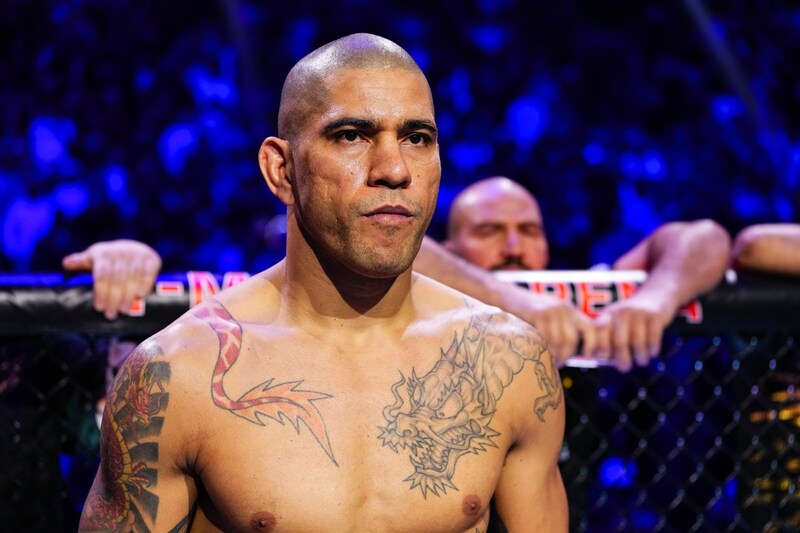
Alex Pereira is done listening to the noise from Magomed Ankalaev's corner.
The UFC light heavyweight champion isn't about to let comments from his upcoming opponent's coaching staff get under his skin ahead of their highly anticipated rematch at UFC 320. When Ankalaev's coach, Sukhrab Magomedov, recently suggested that "Poatan" doesn't hit as hard as his reputation suggests, Pereira responded with the kind of measured confidence that has defined his championship reign.
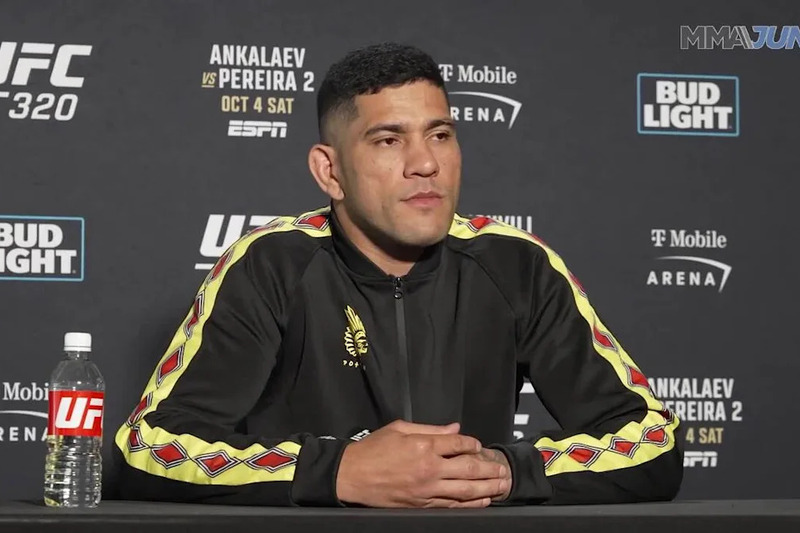
"For sure it's just talk," Pereira told reporters during Tuesday's pre-fight media scrum. "He saw it in my fight with Ankalaev, but he also saw it in all the other fights. Even the ref said that in 30 years he's never seen anything like it. But that's good. Let him think that. He'll be in for a surprise."
The Brazilian striker's dismissive attitude toward his critics extends beyond just pre-fight psychological warfare. Pereira has developed a deliberate strategy of mental distance from his opponents' promotional efforts, focusing instead on his own preparation and performance review.
"When those videos come out, I skip through it. I don't watch the other guy. I don't watch any of his stuff," Pereira explained. "I watch what I'm doing. I'll watch my fight with him, but I don't want to hear about what he's doing. I don't want to see what he's doing."
This methodical approach to fight preparation has served Pereira well throughout his meteoric rise in the UFC. The former kickboxing champion has consistently demonstrated an ability to compartmentalize external pressure while maintaining laser focus on technical improvements and strategic adjustments.
The tension between Pereira and Ankalaev has been building steadily since their first encounter, with both fighters and their respective camps engaging in increasingly heated exchanges. Last week's near-confrontation at the UFC Performance Institute only added fuel to an already simmering rivalry that has captured the attention of MMA fans worldwide.
Despite the obvious animosity and the significant stakes involved in reclaiming his light heavyweight title, Pereira maintains that this rematch doesn't represent the pinnacle of his career achievements. When pressed about whether defeating Ankalaev would be his most satisfying victory, the Brazilian was quick to redirect attention to a different chapter of his combat sports journey.
"I don't think [it will be the more satisfying]," Pereira stated firmly. "Nothing compares to that win over Adesanya, with the whole history in kickboxing, everything that I went through. A lot of people think sometimes to promote a fight, you've just got to say a lot of things and have this animosity, and that's not what it is. You've got to have that history, that background, and so [Ankalaev] is doing it all wrong."
Pereira's reference to his victory over Israel Adesanya highlights the deep personal and professional significance of that particular triumph. The two fighters had developed an intense rivalry that began in kickboxing and carried over into their MMA careers, creating a narrative that transcended simple promotional hype.
The distinction Pereira draws between manufactured controversy and genuine competitive history speaks to his perspective on what makes fights truly meaningful. In his view, authentic rivalries are built on shared experiences, mutual respect earned through competition, and the kind of back-and-forth that can only develop over time and multiple encounters.
Looking ahead to potential future endeavors, Pereira finds himself at an interesting crossroads in his career. Should he successfully reclaim the light heavyweight championship from Ankalaev, he would join an extremely exclusive club alongside Randy Couture as the only fighters to achieve multiple title reigns across two different weight classes.
This potential accomplishment has naturally led to speculation about Pereira's long-term divisional plans. The champion has previously expressed interest in testing himself at heavyweight, and recent comments suggest that physical realities may soon force his hand in that direction.
"I really don't know. We'll have to see," Pereira admitted when questioned about a potential move up to heavyweight. "Obviously, my body gets heavier. I don't know how long I can cut to 205. We're just going to have to see and take it fight by fight."
The weight-cutting challenges that Pereira alludes to are not uncommon among fighters who compete near the upper limits of their natural weight classes. As athletes age and their bodies change, the process of making weight can become increasingly difficult and potentially dangerous to their health and performance.
For Pereira, who has built his reputation on devastating knockout power that relies heavily on his natural size and strength advantages, maintaining his effectiveness while managing weight cuts represents a delicate balancing act. The physical demands of repeatedly cutting significant amounts of weight can take a cumulative toll on an athlete's body and career longevity.
The heavyweight division presents an intriguing option for Pereira, offering the opportunity to compete without the stress of extreme weight cuts while potentially opening up new high-profile matchups. Names like Jon Jones, Tom Aspinall, and other top heavyweight contenders would represent fresh challenges and significant financial opportunities.
However, moving up in weight class also comes with its own set of risks and adjustments. Heavyweight fighters typically possess even more knockout power than their lighter counterparts, and Pereira would need to adapt his fighting style to account for the increased size, reach, and punching power of potential opponents.
The timing of any potential move to heavyweight would likely depend on several factors, including the outcome of the Ankalaev rematch, the landscape of both divisions, and Pereira's own physical condition and career goals. At 37 years old, the Brazilian understands that his championship window may be limited, making strategic decisions about weight classes and opponent selection crucial to maximizing his remaining opportunities.
From a promotional standpoint, a successful Pereira at heavyweight would represent a massive asset for the UFC. His aggressive fighting style, knockout power, and championship pedigree would translate well to the heavyweight division's emphasis on finishing fights and creating highlight-reel moments.
The potential for superfights between Pereira and established heavyweight stars could generate significant pay-per-view interest and provide the UFC with multiple high-stakes main event options. Whether facing former champions or rising contenders, Pereira's presence in the heavyweight division would undoubtedly shake up the competitive landscape.
As UFC 320 approaches, Pereira remains focused on the immediate challenge of reclaiming his light heavyweight title. The rematch with Ankalaev represents both an opportunity for redemption and a chance to solidify his legacy as one of the most feared strikers in MMA history.
Regardless of what the future holds in terms of weight class decisions, Pereira's approach to the Ankalaev rematch demonstrates the mental fortitude and professional focus that have defined his championship career. By refusing to get drawn into petty exchanges with his opponent's coaching staff and maintaining his strategic preparation routine, Pereira continues to exemplify the qualities that have made him one of the most respected and feared competitors in the sport.
The outcome of UFC 320 will likely influence not only Pereira's immediate future but also the broader competitive landscape across multiple UFC divisions. Win or lose, his next career moves will be watched closely by fans, analysts, and fellow fighters alike.




Login with Email or Google
Be the first to comment!